Qoute Now
Find out more about how we can support your goals by filling out the form or emailing us at

Dark bronze aluminum is widely specified for facades, ceilings, trims, doors, signage, and appliance panels because it delivers a premium metallic appearance with lower weight than steel and better corrosion resistance than many painted carbon substrates.
For commercial orders, the top concern is usually not color alone. It is color consistency across batches. A bronze tone that shifts from panel to panel can trigger installation delays, claims, and rework costs.
This article focuses on how to evaluate dark bronze finishes for aluminum products, with practical checks on coating systems, tolerances, test standards, and pricing variables.
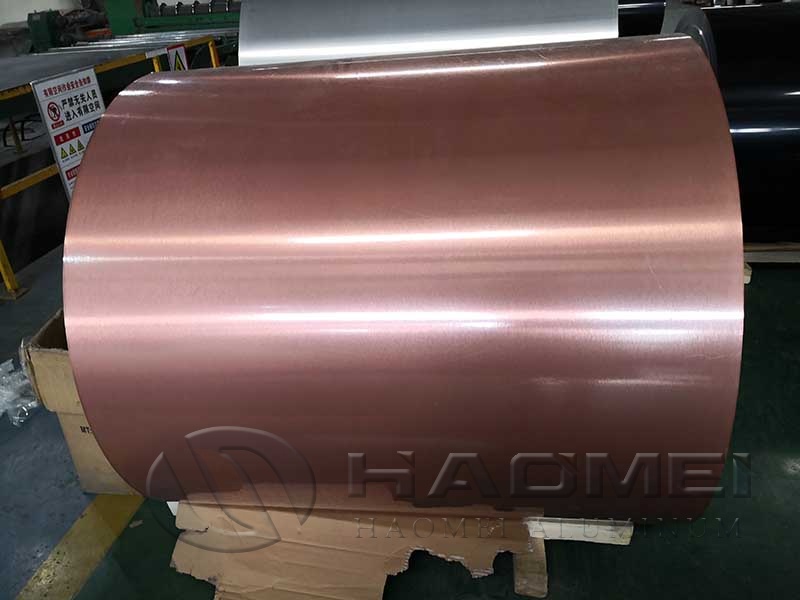
In the market, this term may refer to several different finish routes:
Painted aluminum, typically PE or PVDF coated.
Anodized bronze aluminum, where the color is created in the anodic layer.
Powder-coated aluminum, common in some architectural applications.
These are not interchangeable in service life, gloss, repairability, and batch matching.
| Finish type | Typical use | Main standard reference | Strength | Limitation |
|---|---|---|---|---|
| PVDF coated | Exterior cladding, roofing, soffit | AAMA 2605, coil coating practice by coating suppliers | Strong UV resistance, broad color control | Higher cost than PE |
| PE coated | Interior panels, signage, decorative parts | Supplier internal specs, project specs | Lower cost, good formability | Lower weather resistance outdoors |
| Bronze anodized | Window frames, trims, architectural parts | AAC anodizing classifications, project specs | Metallic depth, good abrasion resistance | Color variation can be more visible batch to batch |
| Powder coated | Extrusions, architectural components | AAMA 2604 or 2605 depending on system | Thick coating, durable | Not the default route for continuous coil supply |
For exterior projects, PVDF coated aluminum is often preferred because long-term color retention is a project risk issue, not just a cosmetic detail.
Dark bronze sits in a narrow visual range. Small shifts in red, yellow, or gloss become obvious after installation, especially under daylight.
The practical risks are:
Mixed coils from different production dates.
Different paint suppliers or resin systems.
Coil edge-to-center color variation.
Gloss mismatch between formed parts.
Protective film aging affecting visual inspection.
| Check item | What to request | Why it matters |
|---|---|---|
| Standard color target | RAL, sample panel, or approved master swatch | Avoids subjective color naming |
| Color tolerance | Delta E value under agreed instrument settings | Makes acceptance measurable |
| Gloss tolerance | 60-degree gloss range | Bronze appearance changes strongly with gloss |
| Batch control | One production lot per project elevation where possible | Reduces visible panel mismatch |
| Viewing conditions | D65 light source or project-defined light booth | Prevents disputes from inconsistent inspection |
| Coating report | Paint brand, resin type, coating thickness | Confirms technical equivalence |
Where color measurement is specified, many industrial users ask for instrumental control, but the actual acceptable Delta E must still be agreed in contract documents. Different standards and sectors use different methods, so the value should not be assumed.
To keep procurement decisions credible, ask suppliers to identify the exact standard behind any durability claim.
AAMA 2605: Widely cited for high-performance organic coatings on architectural aluminum extrusions and panels.
AAMA 2604: Mid-tier architectural performance level.
ASTM D2244: Commonly used for instrumental color measurement.
ASTM B209: Standard specification for aluminum and aluminum-alloy sheet and plate.
The Aluminum Association alloy designations: For verifying base alloy such as 3003, 3105, 5005, or 5052 where relevant.
Qualicoat and Qualanod project references: Often requested in building-related supply chains depending on region.
If a supplier says a dark bronze coating is "weatherproof for 20 years", the useful response is to ask:
Under which standard?
On what substrate alloy and pretreatment?
In which exposure environment?
With what film thickness?
Without those details, the statement is not technically complete.
The finish is only one part of the specification. The substrate affects forming, flatness, corrosion behavior, and final appearance.
| Alloy | Typical application fit | Advantage | Caution |
|---|---|---|---|
| 3003 | General coated building material | Good workability, common availability | Moderate strength |
| 3105 | Architectural painted products | Well suited for coating lines | Verify temper for forming |
| 5005 | Anodized architectural use | Good anodized appearance consistency | Price may be higher than 3xxx |
| 5052 | Parts requiring higher strength | Better strength and corrosion resistance | Surface appearance may differ by finish route |
If the requirement is anodized bronze appearance, 5005 is often evaluated for architectural visual quality. If the requirement is coil-coated bronze for roll forming, 3003 or 3105 are common choices.
Aluminum pricing changes with metal markets, processing route, coating system, width, thickness, and order complexity. A realistic quote for dark bronze material usually includes these components:
Aluminum ingot or exchange-linked base price.
Alloy and rolling conversion premium.
Coating cost, including PE, SMP, or PVDF system.
Coating thickness and number of coats.
Protective film, packing, and pallet standard.
Width tolerance, flatness, and slit accuracy.
Color matching or custom sample approval cost.
| Factor | Usual impact on price |
|---|---|
| PVDF instead of PE | Higher |
| Custom bronze tone instead of stock color | Higher |
| Narrow slit tolerance | Higher |
| Heavier coating system | Higher |
| Standard width and stock alloy | Lower |
| Mixed small runs | Higher |
Because London Metal Exchange and regional premiums move regularly, fixed numbers can become outdated quickly. For contract work, ask for the quote validity period, metal basis date, and surcharge formula.
Confirm end use: exterior, interior, marine, or industrial.
Define finish route: PVDF, PE, anodized, or powder.
Lock the approved bronze standard with sample retention.
Specify alloy, temper, thickness, width, and core size.
Request coating thickness and primer/back coat details.
Ask for test reports tied to order batch.
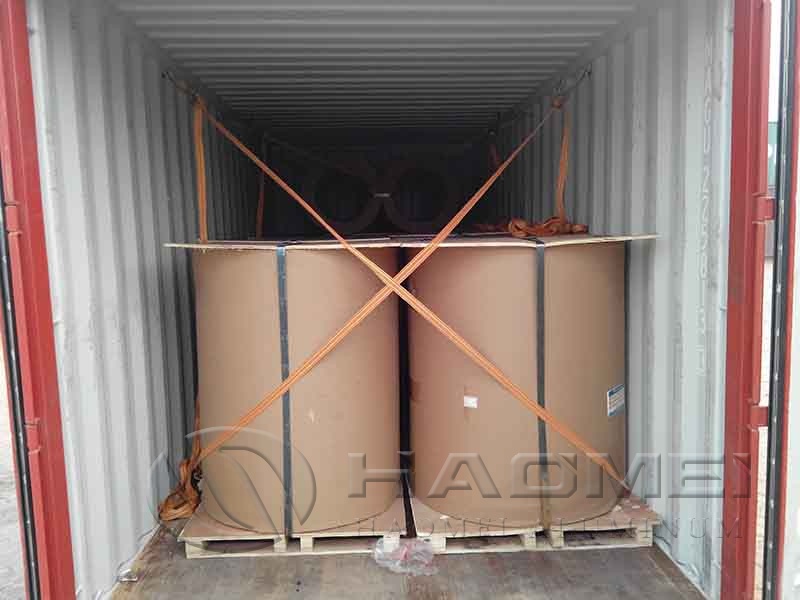
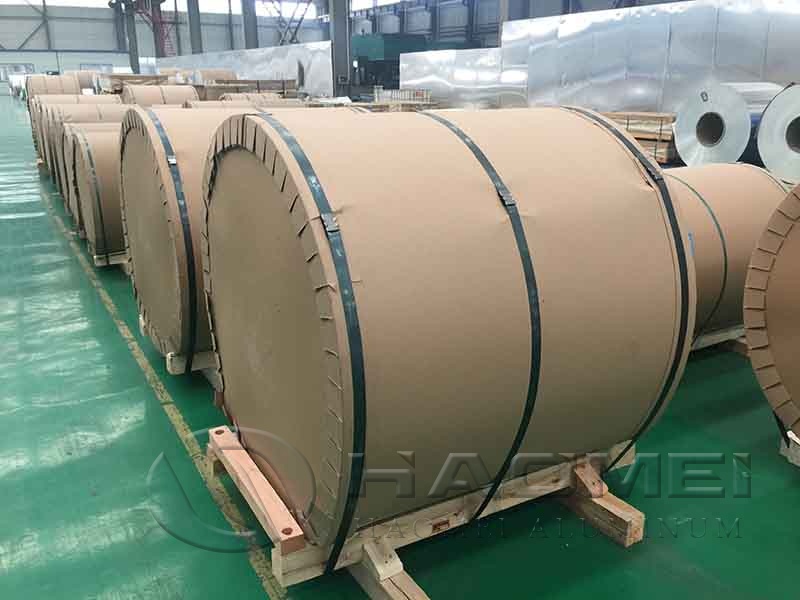
State packing method for moisture protection.
Check batch number against approved sample.
Inspect color under agreed lighting.
Verify gloss and coating thickness if specified.
Review edge damage, transit abrasion, and film condition.
Confirm dimensions, flatness, and coil winding quality.
Current demand remains strong in architectural renovation, commercial storefronts, ceiling systems, and appliance styling, especially where designers want a darker metallic tone without the weight penalty of bronze or stainless alternatives.
For projects exposed to sun and rain, the safest approach is usually to prioritize color stability over the lowest initial price. In many cases, that means selecting a verified PVDF system, agreeing measurable color tolerance, and keeping one approved production batch for visually continuous areas.
For industrial users, that single step does more to reduce rejection risk than simply requesting a darker shade name on a purchase order.
 Products
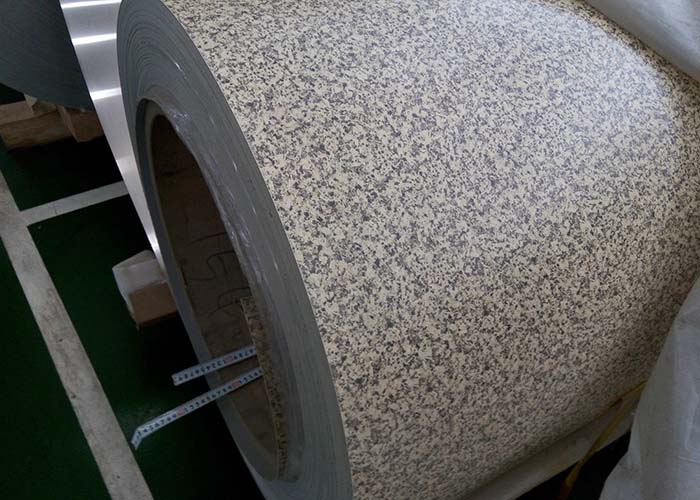
Marble grain aluminum coil features realistic stone texture, light weight, weather resistance and easy processing. Widely used for building curtain walls, interior decoration, wall panels and exterior cladding projects. Inquire now!
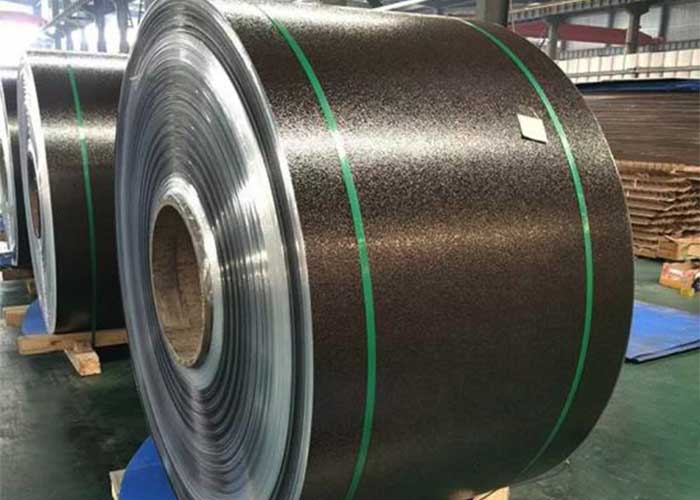
Embossed aluminum coil in stucco/diamond patterns. Alloy 1050/1060/3003/5052, thickness 0.2–3.0mm, PVDF/PE coating optional. Fast quote & delivery.
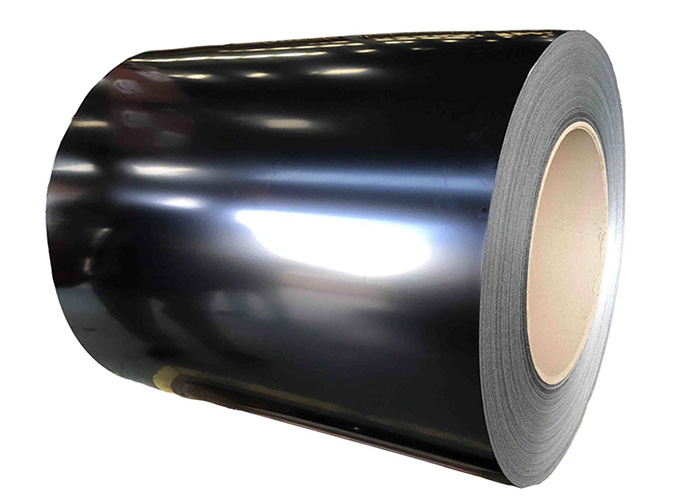
Premium FEVE coated aluminum coil with excellent formability & color stability. Perfect for curtain walls, aluminum composite panels, outdoor decoration & high-end building projects worldwide. Inquire now!
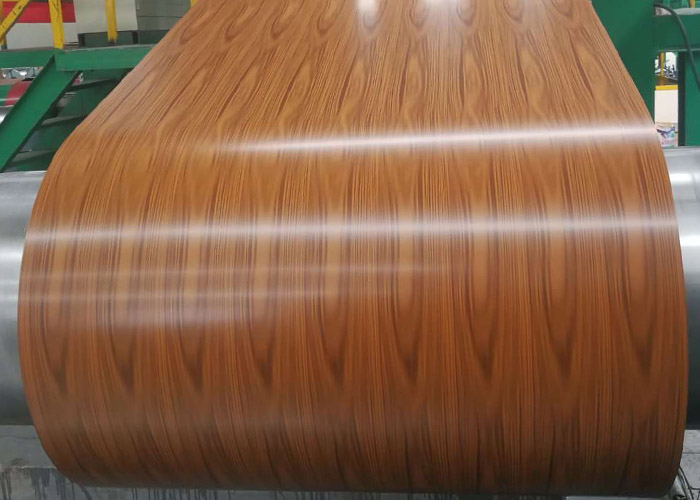
Wood grain aluminum coil with realistic texture, excellent weatherability and durability. Ideal for interior decoration, wall cladding, cabinets, doors, windows and architectural exterior applications.
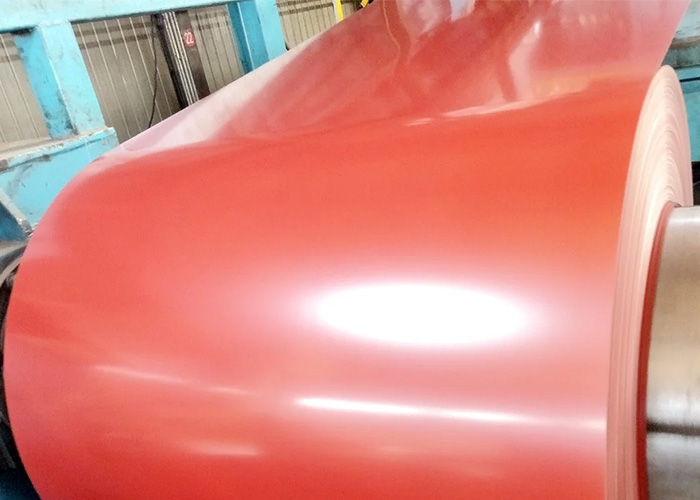
Our PVDF aluminum coil has excellent weather resistance,long service life up to 20+ years outdoors,anti-fading, stable performance in harsh environments, ideal for exterior building cladding and outdoor applications. Inquire now!
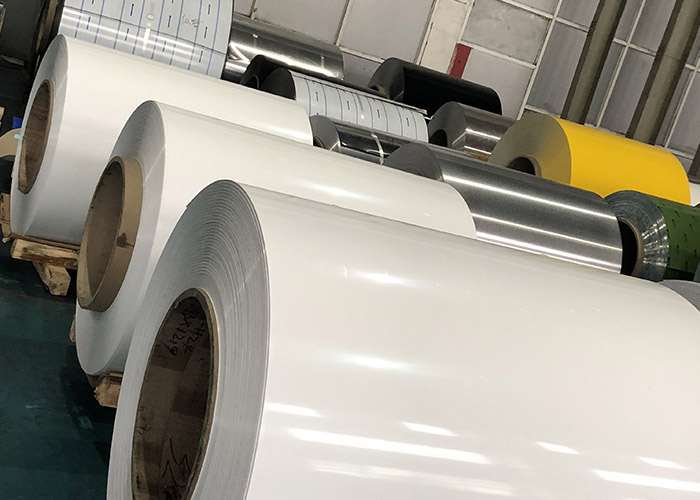
Our PE coated aluminum coil features excellent bending performance, wide color & alloy options, long service life and durable finish. Custom sizes & colors available to meet your project demands. Get Quote now!
Application
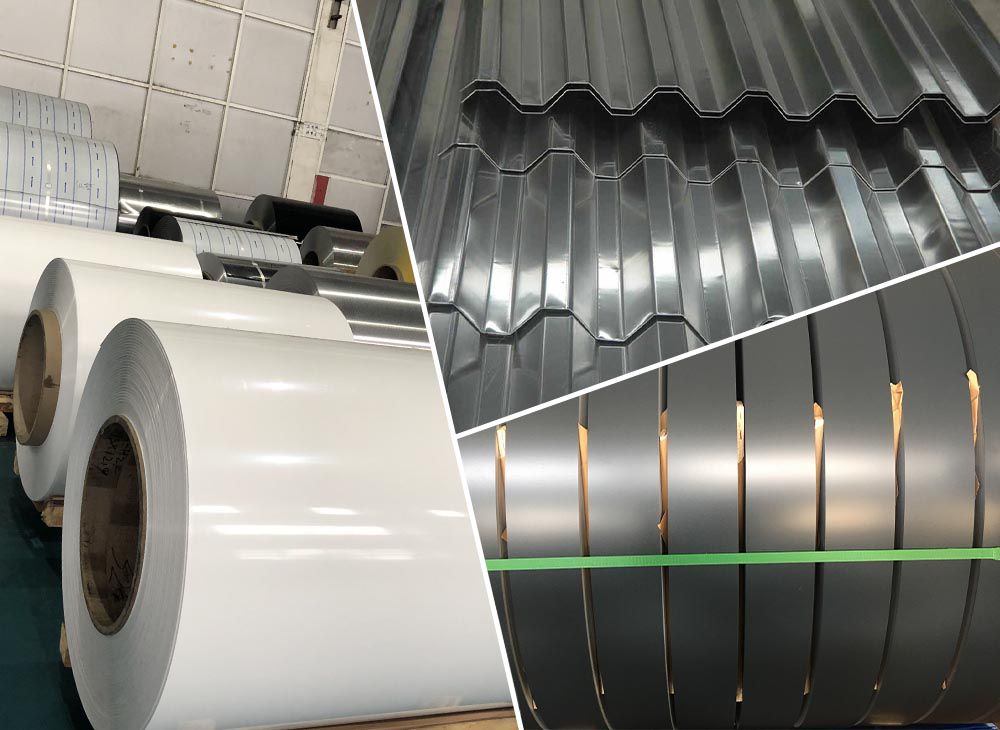
Aluminum roofing coilHaomei Aluminum's coated aluminum coil for roofing is well known for lightweight, high strength, weather resistance, and corrosion resistance, with a service life of 15-30 years. It also has excellent processability and can be ada
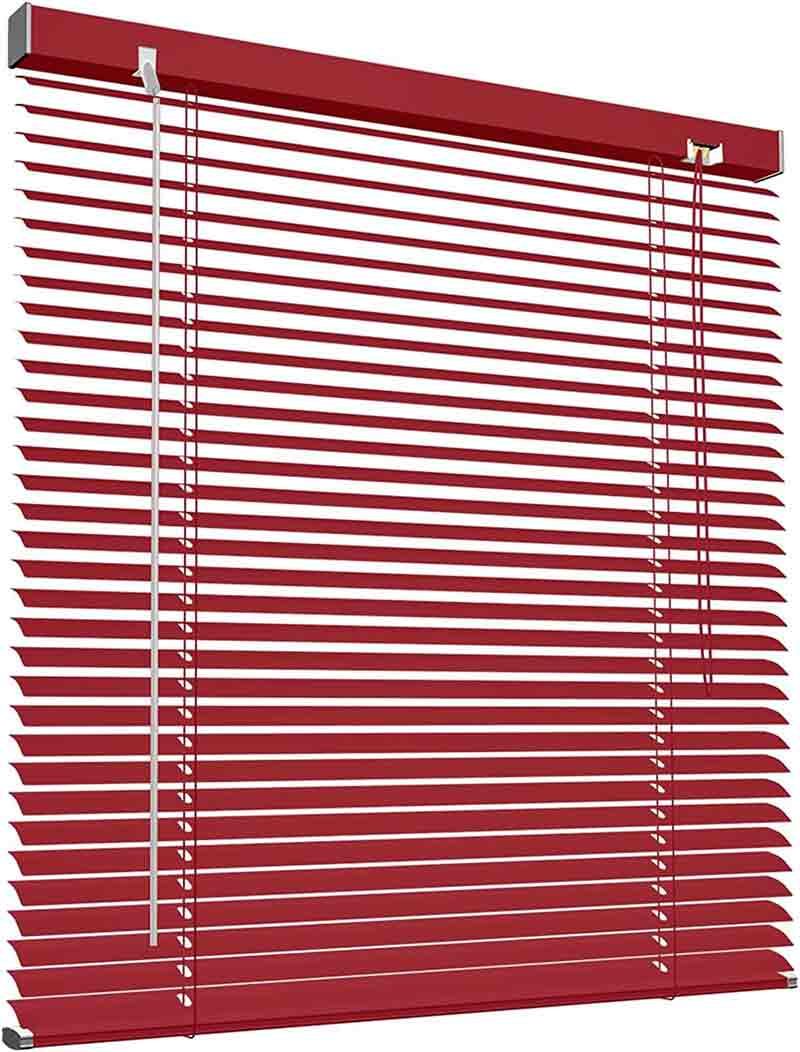
Today, Venetian blinds have long transcended their simple function of blocking light, becoming an important element in both home and commercial decoration, combining aesthetics and functionality. The widespread application of prepainted aluminum coils has
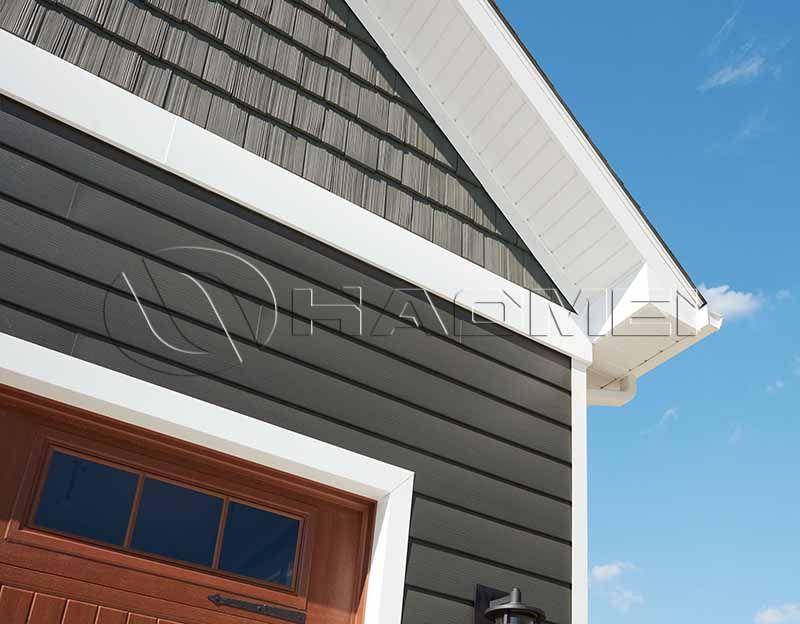
Learn what aluminum trim coil is, common alloys 1100/3003/3105/5052, popular sizes like 24×50, colors, applications, coating types, packaging, shipping and order terms for building exterior & interior trim.
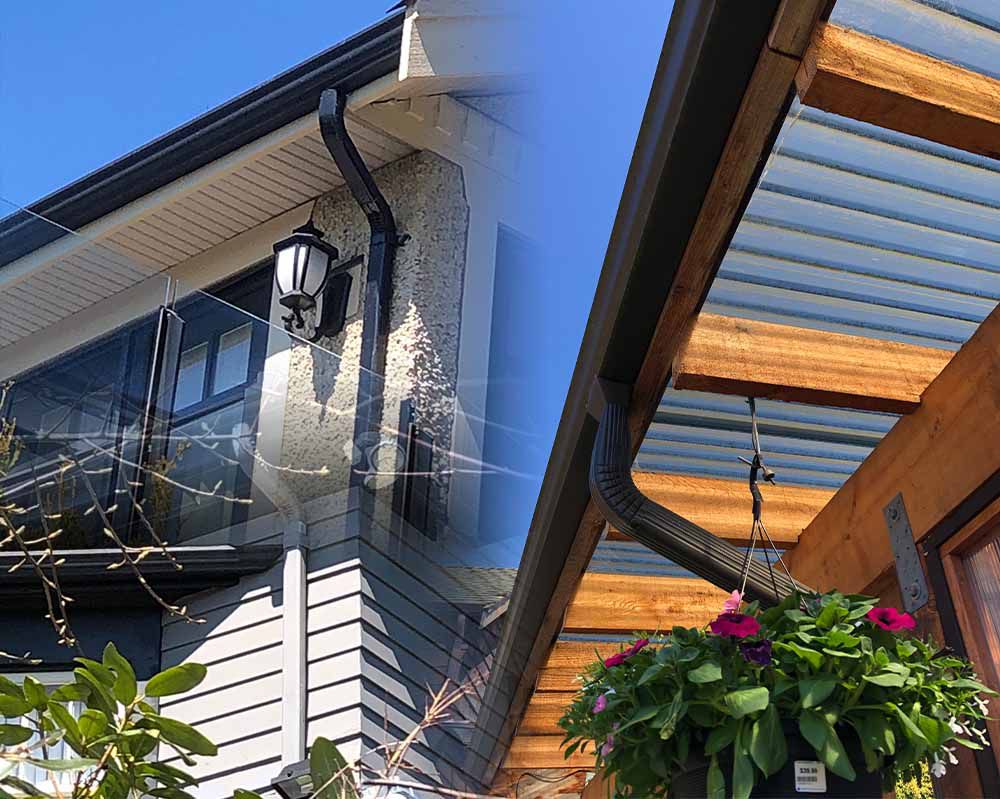
Aluminum gutter coil roll available in popular colors and various sizes, featuring durability, corrosion resistance and easy installation for rain gutter systems. Inquire now!
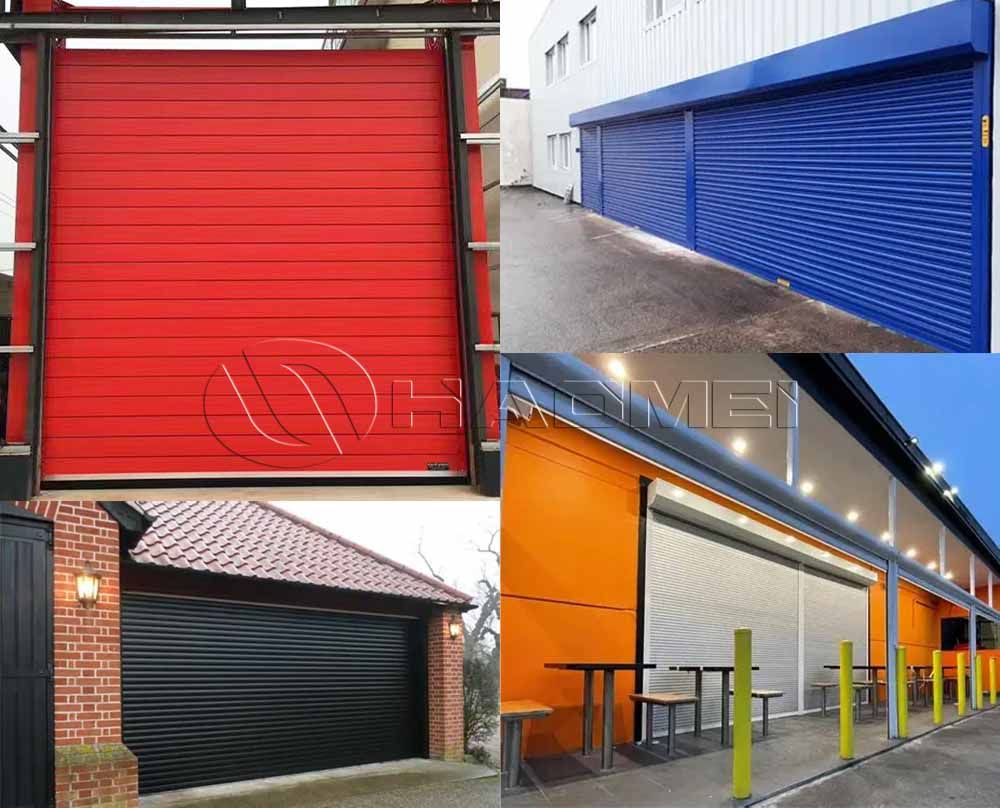
Color aluminum coils: lightweight, corrosion-resistant, durable & color-rich, ideal for roller shutters in shops, garages, factories. Various specs, alloy options, custom colors & professional packaging for all scenarios. Learn more.
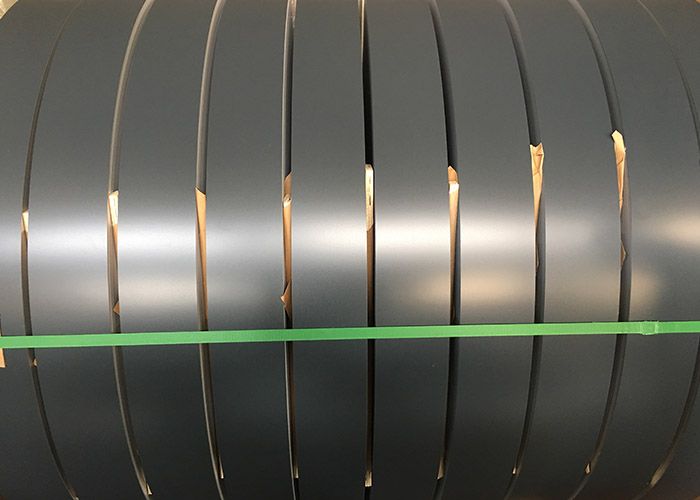
Color Coated Aluminum Coil Manufacturer for Ceiling | PE/PVDF coated, waterproof, anti-UV, long service life. Lightweight, easy fabrication, ideal for ceiling tiles, linear ceilings & decorative panels. Inquire now!
Blog
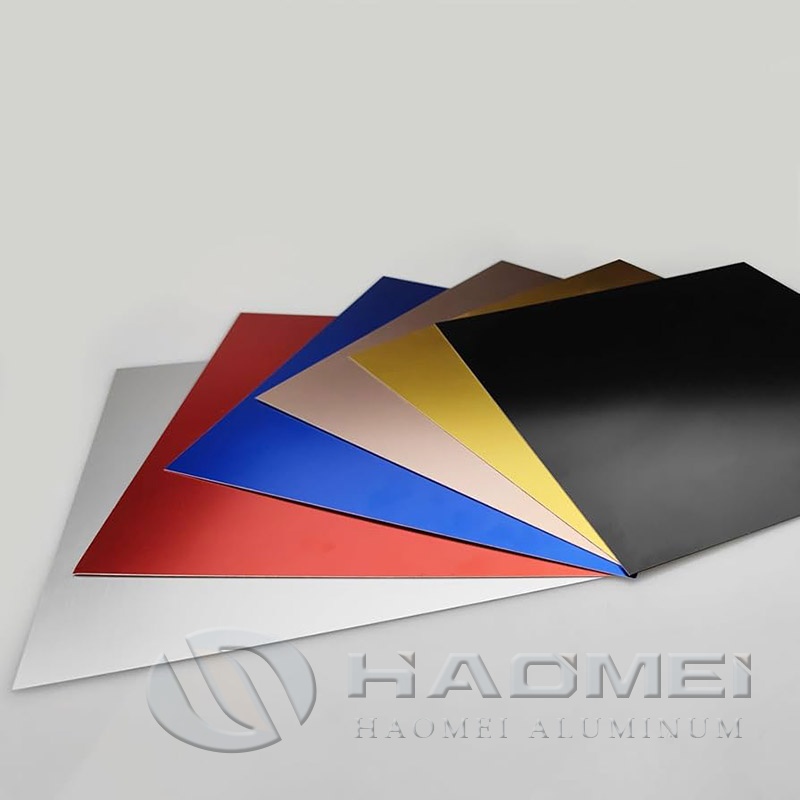
Plan Halloween and year-end display production with colored aluminum sheet metal, coating checks, color controls, packaging, and release dates.
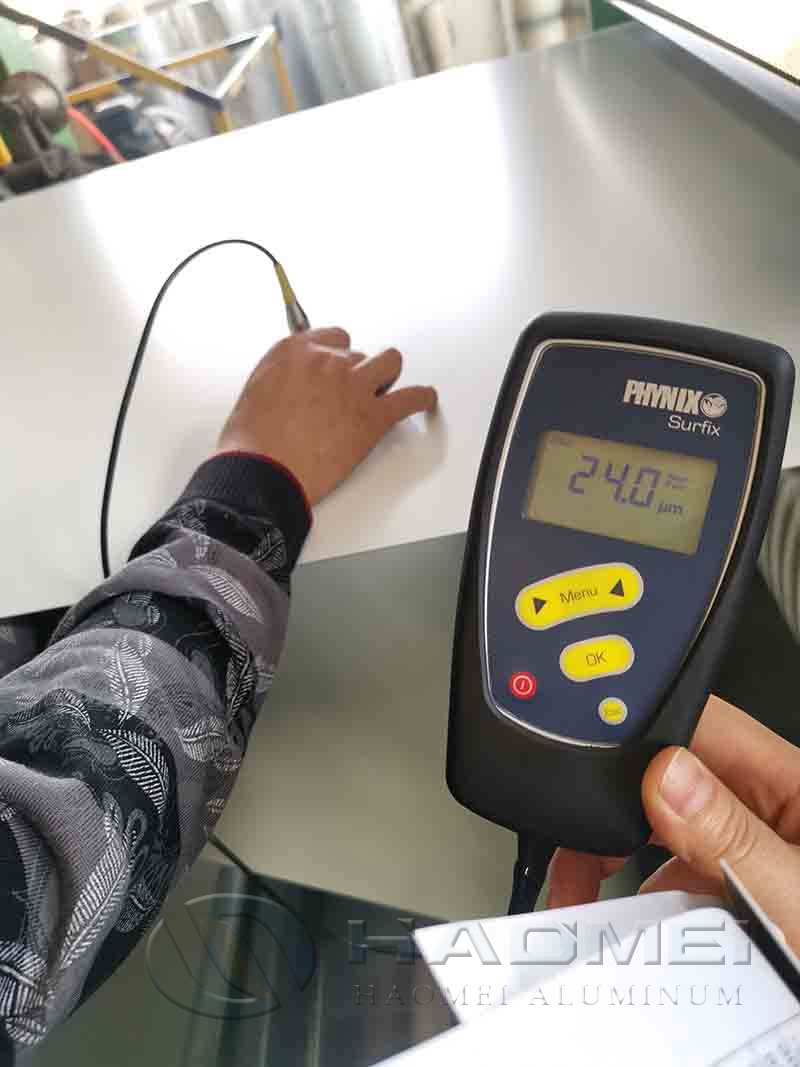
Matt stone grey aluminium: specify alloy, coating, gloss and ΔE tolerance; control batch variation, compliance, lead time and delivered cost.
Dark bronze aluminum for architectural and industrial use: coating options, color consistency checks, ASTM/AAMA standards, pricing factors, and sourcing tips.
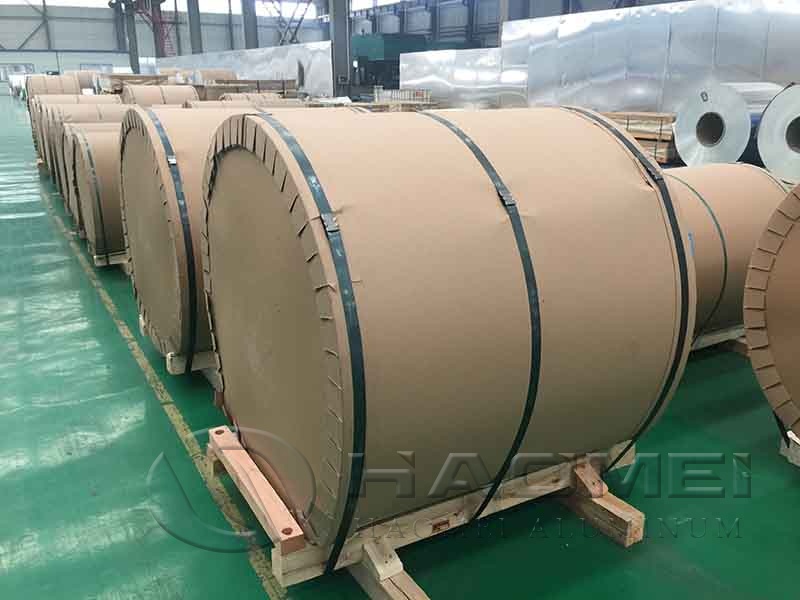
Compare white aluminum coil stock coatings, alloy specs, tolerances, testing standards and packaging checks for durable, color-consistent orders.
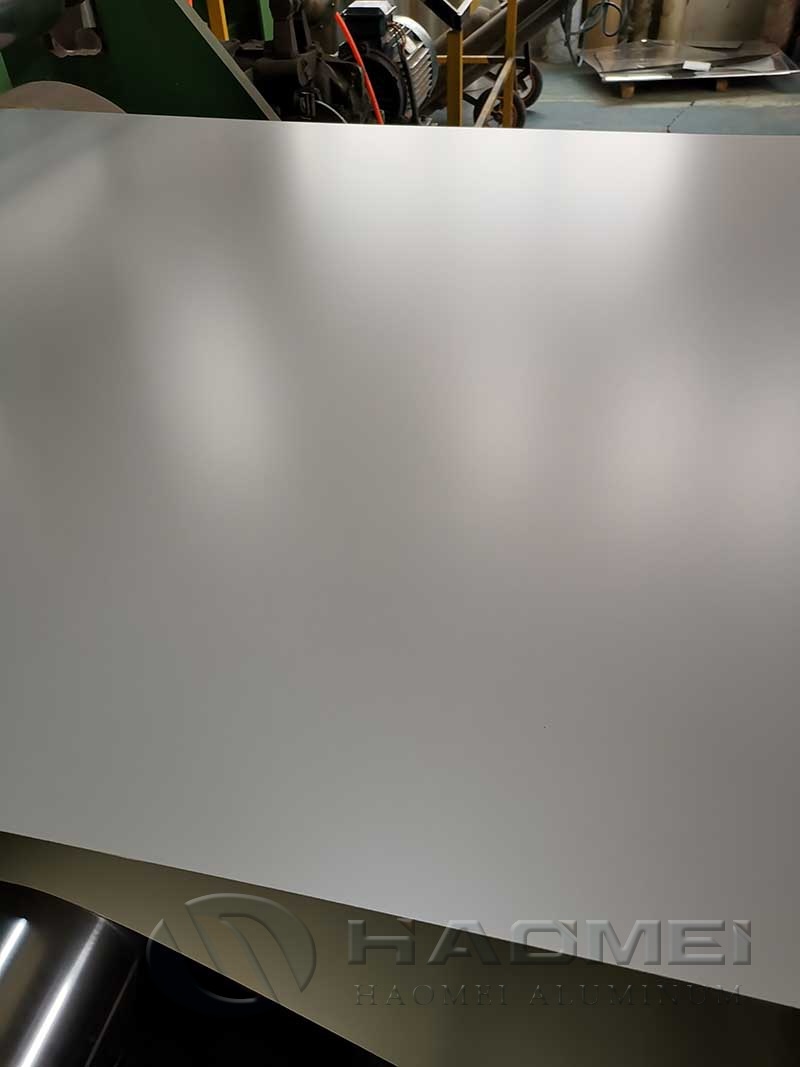
Color coated aluminum coil questions answered: coatings, alloy, thickness, durability, and ordering details for roofing, facades, trim, signage, and fabrication.
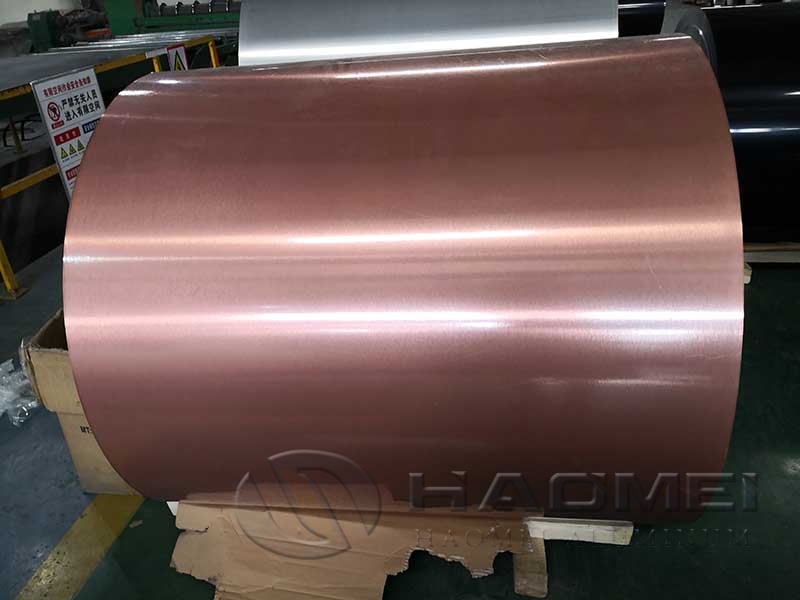
Specify brown anodised aluminium with reliable colour consistency: compare alloys, thickness, sealing, inspection tests, standards and order controls.
FACTORY TOUR Haomei Aluminum is committed to technological innovation and equipment upgrading, equipping our production base with advanced intelligent production lines, including continuous coating lines, precision slitting machines and embossing equipment.
With near 30 years of 20 years of professional metal coating experience, we can provide you PE/PVDF/HDPE/FEVE coated aluminum coils with rich alloys and colors. We are also one of the few coating applicators that can replicates natural materials such as stones,marble,wood,on the surface of metal with paint.

Haomei Aluminum’s fully automatic high-speed color coating production lines, adopting advanced two-coat two-bake precision roller coating technology. The whole line is controlled by an intelligent automation system, ensuring uniform coating, stable speed and high efficiency. With precise control over coating thickness and closed-loop temperature control, our products feature excellent weather resistance, corrosion resistance, color stability, scratch resistance and long service life.