Qoute Now
Find out more about how we can support your goals by filling out the form or emailing us at

For gutter manufacturing, the most expensive failure is rarely base metal rupture. It is premature paint chalking, color mismatch, edge cracking during roll forming, or coil damage that stops a production line. This article focuses on one top concern: paint durability and coating selection for aluminum gutter coil used in seamless gutter machines.
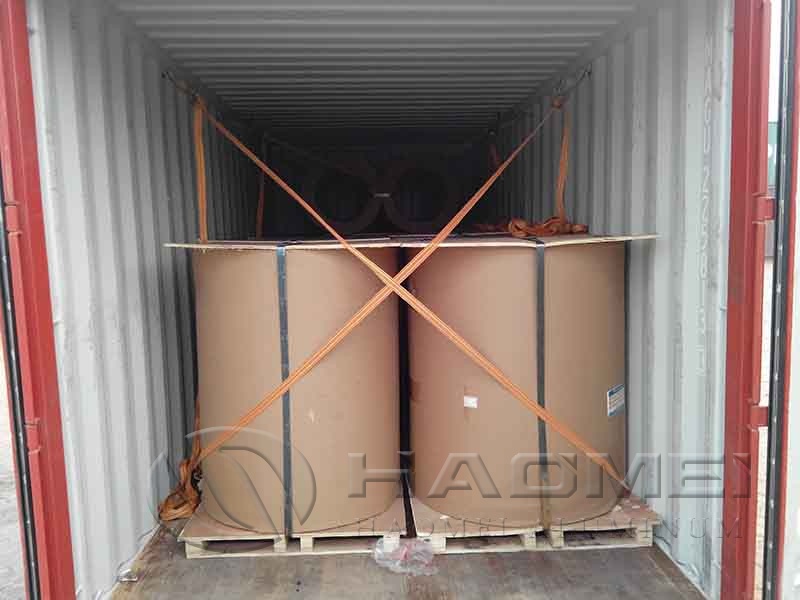
Most gutter stock is made from 3000 series aluminum because manganese improves strength while keeping good formability and corrosion resistance. Common choices include 3105 and 3003. In North America, aluminum flat-rolled products are commonly specified against ASTM B209/B209M. For factory-applied organic coatings, EN 1396 is a recognized European reference for coated aluminum products.
Typical residential gutter coil thicknesses are 0.027 in and 0.032 in. Heavy-duty commercial profiles may use 0.040 in, depending on span, snow load, profile design, and local practice.
| Item | Common option | Practical effect in gutter production |
|---|---|---|
| Alloy | 3105 | Good strength-to-formability balance for seamless gutter roll forming |
| Alloy | 3003 | Excellent formability; often selected where tighter bends are required |
| Temper | H24 / H26 or equivalent | Controls stiffness, springback, and edge cracking risk |
| Thickness | 0.027 in | Common residential work; lower material cost |
| Thickness | 0.032 in | Better dent resistance and handling strength |
| Thickness | 0.040 in | Commercial or high-abuse applications |
Aluminum density is about 2.70 g/cm3, roughly one-third that of steel. This weight advantage reduces handling effort and transportation load, but it does not remove the need for proper packaging and coil-edge protection.
The paint system should be selected before price negotiation, not after. A low-cost coating may look acceptable at delivery but fail in UV exposure, coastal air, or aggressive industrial atmospheres.
Common coating references include AAMA 2603, AAMA 2604, and AAMA 2605 for exterior architectural coatings. These standards are issued by the Fenestration and Glazing Industry Alliance and are widely used to compare weathering performance. In general, AAMA 2605 is associated with higher-performance fluoropolymer systems, while AAMA 2603 is a more economical exterior coating level.
| Coating level | Typical chemistry | Best suited for | Commercial risk if misused |
|---|---|---|---|
| Economy exterior | Polyester or modified polyester | Inland, moderate UV, cost-sensitive projects | Faster fading and chalking |
| Mid-performance | SMP or high-durability polyester | General residential gutter programs | Must verify bend and adhesion performance |
| Premium | PVDF / FEVE type systems | Coastal, high-UV, premium color retention | Higher coating cost and MOQ pressure |
For painted aluminum coil stock, request coating thickness, gloss range, color tolerance, pencil hardness, T-bend result, impact resistance, and salt spray data where relevant. Salt spray testing, often based on ASTM B117, is useful for comparing coating systems, but it is not a direct service-life prediction. Outdoor exposure data and coating warranty terms should be reviewed together.
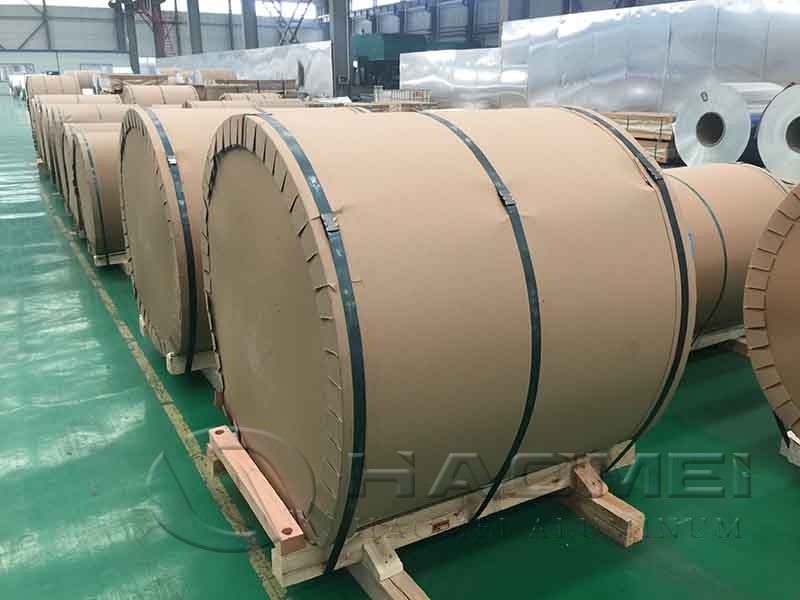
Gutter coil normally follows this route: casting or hot rolling, cold rolling, annealing or temper control, cleaning, pretreatment, primer coating, topcoat coating, curing, slitting, recoiling, packaging, and shipment.
Problems usually occur at three points: pretreatment, curing, and slitting.
| Process point | Defect sign | Cause to check | Action before shipment |
|---|---|---|---|
| Pretreatment | Paint peeling after bend | Poor cleaning or conversion layer | Require adhesion and T-bend test report |
| Curing | Low hardness or blocking | Under-cured coating | Confirm oven cure record and MEK rub test if specified |
| Slitting | Burrs, edge wave, scratches | Dull knives, wrong tension, poor separator | Inspect edge quality and coil face protection |
| Recoiling | Telescoping or loose wraps | Incorrect tension | Require photos of coil eye and side wall |
| Packaging | Water stain, transit abrasion | Weak moisture barrier or poor pallet design | Specify VCI paper, desiccant, corner guards, and waterproof wrap |
A practical incoming inspection plan should include:
Verify alloy, temper, thickness, width, coating code, color, and coil weight against the purchase contract.
Measure thickness at both edges and center across the width.
Check color with a spectrophotometer if color matching matters.
Perform a tape adhesion test on retained samples when the project is color-critical.
Inspect first 20 to 30 meters on the gutter machine before releasing the full lot to production.
Record coil ID, heat or batch number, and paint batch for traceability.
Coil geometry must fit the gutter machine, uncoiler, and plant handling equipment. A technically good coil can still create downtime if the inside diameter or winding tension is wrong.
| Parameter | Typical requirement to confirm | Why it matters |
|---|---|---|
| Width | Matched to 5 in, 6 in, or custom gutter profile | Prevents profile distortion and scrap |
| Inside diameter | 16 in, 20 in, or supplier-specific | Must fit mandrel and decoiler |
| Outside diameter | Limited by machine and forklift capacity | Prevents handling and safety issues |
| Coil weight | Balanced with production batch size | Reduces changeovers without overloading equipment |
| Winding | Eye-to-sky or eye-to-wall as agreed | Affects unloading, storage, and feeding direction |
For gutter coil gauge, do not rely on nominal descriptions only. State the decimal thickness and tolerance. ASTM B209/B209M provides dimensional tolerance frameworks, but the commercial contract should identify the exact tolerance class or agreed values.
The price of gutter stock usually has four parts: aluminum base price, regional premium, rolling and coating conversion cost, and logistics or packaging. In the United States, aluminum import exposure can also involve Section 232 measures, which set a 10% tariff on many aluminum articles unless an exclusion, quota arrangement, or country-specific treatment applies. Always verify the current customs status by HS code and country of origin.
| Cost driver | What to monitor | How to control exposure |
|---|---|---|
| LME aluminum | Daily cash and 3-month movement | Use formula pricing or fixed-price windows |
| Regional premium | Midwest, European duty-paid, or local premium | Separate premium from conversion in quotation |
| Coating cost | Resin type, pigment, film thickness | Lock color families and standardize paint systems |
| Yield loss | Slitting trim, rejects, sample loss | Agree width tolerance and edge quality upfront |
| Freight | Container, truck, fuel, port congestion | Compare coil weight per pallet and loading plan |
| Currency | USD, EUR, CNY exposure | Align quotation currency with sales currency |
Avoid comparing offers only by price per ton. A thicker coating, better primer, tighter color tolerance, or stronger packaging can reduce claims and machine downtime. The lowest unit price is not always the lowest delivered cost.
For international supply, documentation should be treated as part of the product. Missing certificates can delay customs clearance or project approval.
Request these documents before mass shipment:
Mill test certificate showing alloy, temper, thickness, width, and mechanical properties.
Coating certificate showing primer, topcoat, film thickness, gloss, and color reference.
Compliance statement for RoHS or REACH where the destination market requires it.
Packing list with coil ID, net weight, gross weight, pallet number, and dimensions.
Country of origin certificate if tariff treatment depends on origin.
Safety data sheet for painted material if requested by the consignee or warehouse.
For 3105 aluminum, confirm that chemistry follows the declared alloy designation. For coated products, ask whether chromium-free pretreatment is available if project specifications or regional regulations restrict hexavalent chromium.
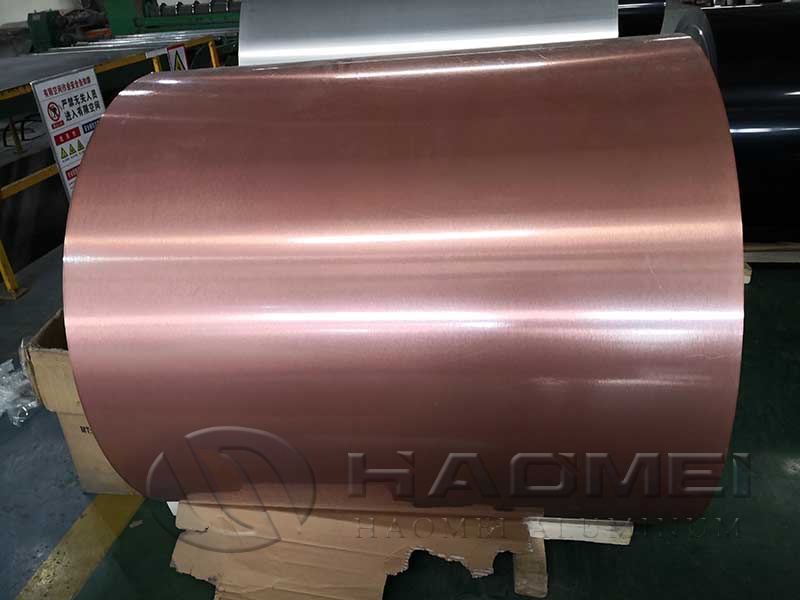
Use this sequence for repeatable procurement:
Define the gutter profile, machine brand, target width, ID, OD, and maximum coil weight.
Select alloy and temper based on bend performance and stiffness.
Choose coating level based on climate, UV exposure, color, and warranty expectation.
Approve color standard using physical panels, not screen images.
Confirm test methods: thickness, adhesion, T-bend, impact, gloss, and color difference.
Approve packaging drawings, including pallet design and moisture protection.
Run a trial coil before committing to annual volume.
Keep retained samples from each paint batch for later claim verification.
A well-specified prepainted aluminum gutter program should state performance requirements in measurable terms. The most useful contract language is specific: alloy, temper, thickness tolerance, coating system, dry film thickness, color tolerance, test standard, packaging method, and claim procedure.
 Products
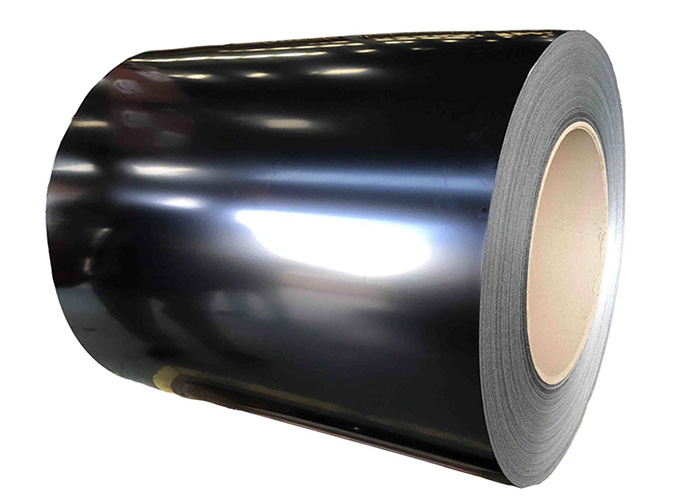
Premium FEVE coated aluminum coil with excellent formability & color stability. Perfect for curtain walls, aluminum composite panels, outdoor decoration & high-end building projects worldwide. Inquire now!
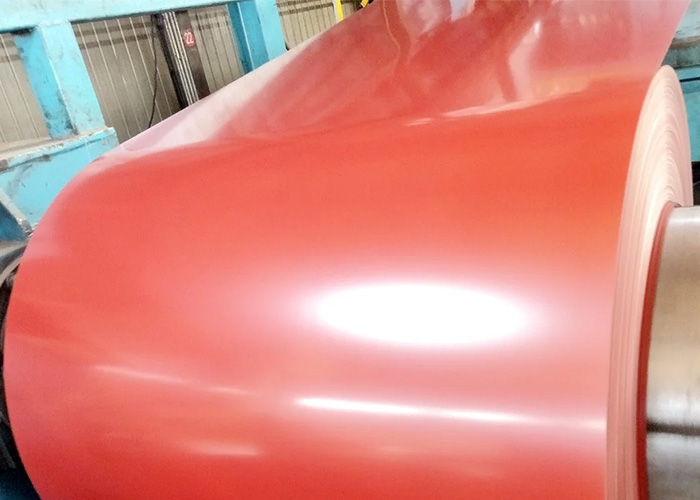
Our PVDF aluminum coil has excellent weather resistance,long service life up to 20+ years outdoors,anti-fading, stable performance in harsh environments, ideal for exterior building cladding and outdoor applications. Inquire now!
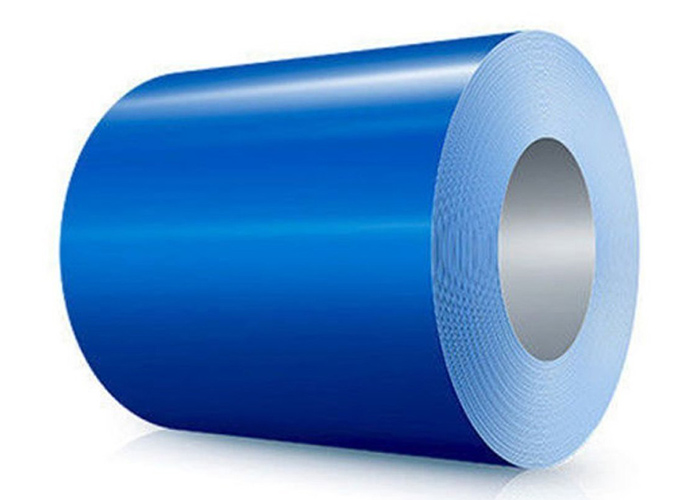
HDPE aluminum coil with stable coating quality, easy processing, and reliable weather resistance, ideal for interior and general outdoor applications at a lower cost. Get price now!
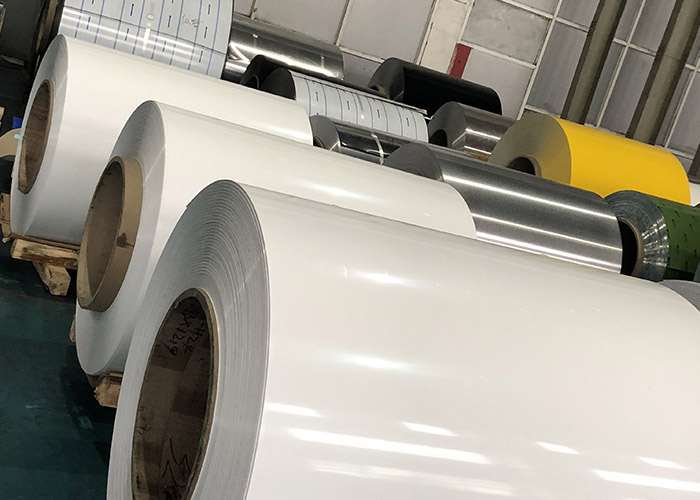
Our PE coated aluminum coil features excellent bending performance, wide color & alloy options, long service life and durable finish. Custom sizes & colors available to meet your project demands. Get Quote now!
Application
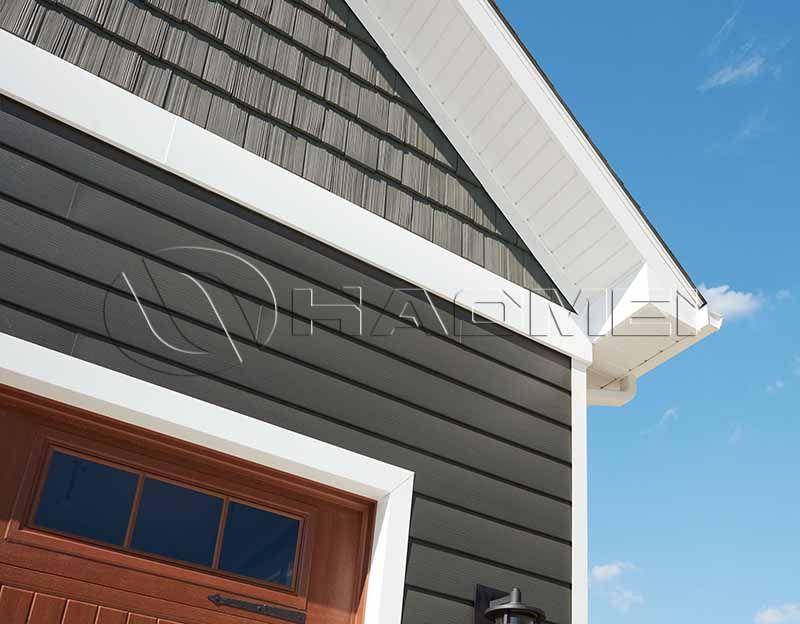
Learn what aluminum trim coil is, common alloys 1100/3003/3105/5052, popular sizes like 24×50, colors, applications, coating types, packaging, shipping and order terms for building exterior & interior trim.
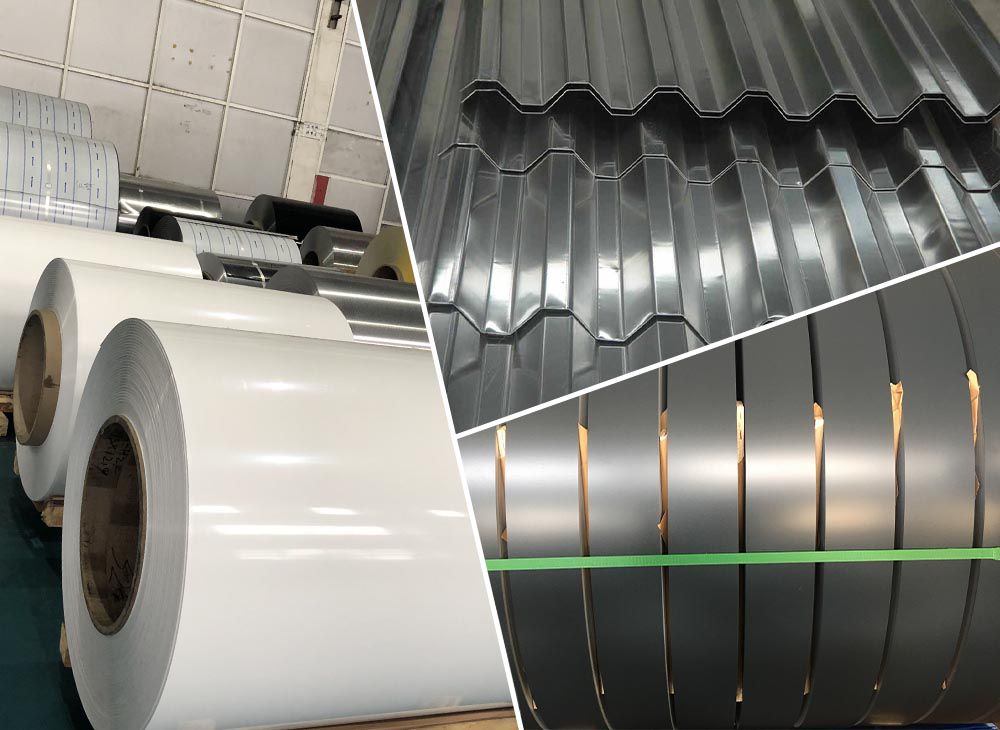
Aluminum roofing coilHaomei Aluminum's coated aluminum coil for roofing is well known for lightweight, high strength, weather resistance, and corrosion resistance, with a service life of 15-30 years. It also has excellent processability and can be ada
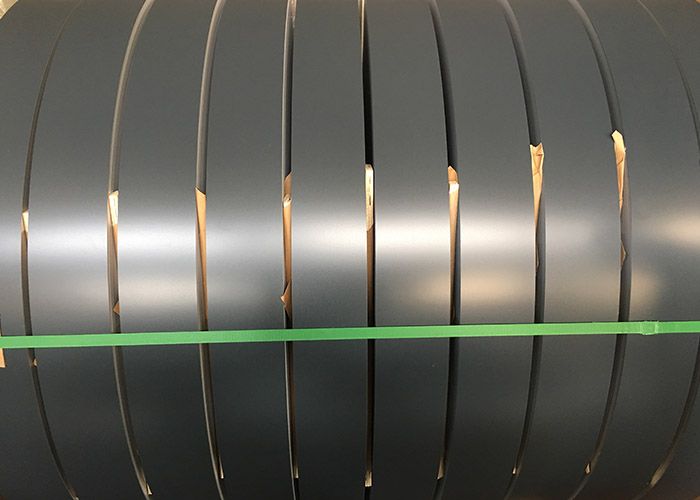
Color Coated Aluminum Coil Manufacturer for Ceiling | PE/PVDF coated, waterproof, anti-UV, long service life. Lightweight, easy fabrication, ideal for ceiling tiles, linear ceilings & decorative panels. Inquire now!
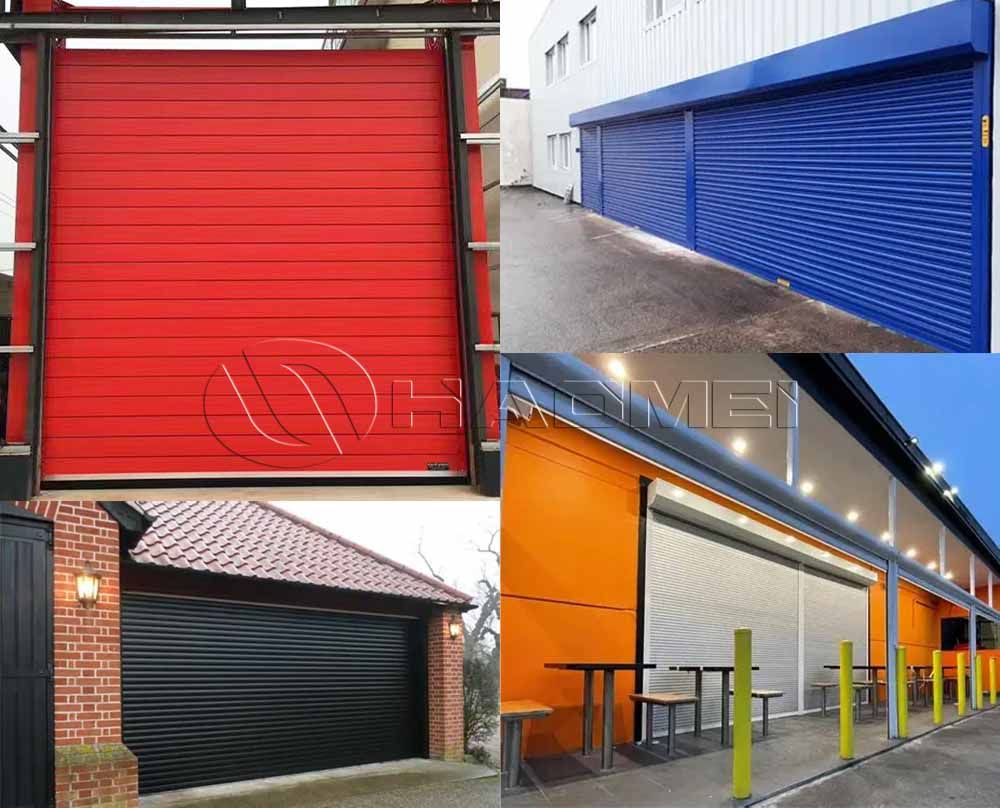
Color aluminum coils: lightweight, corrosion-resistant, durable & color-rich, ideal for roller shutters in shops, garages, factories. Various specs, alloy options, custom colors & professional packaging for all scenarios. Learn more.
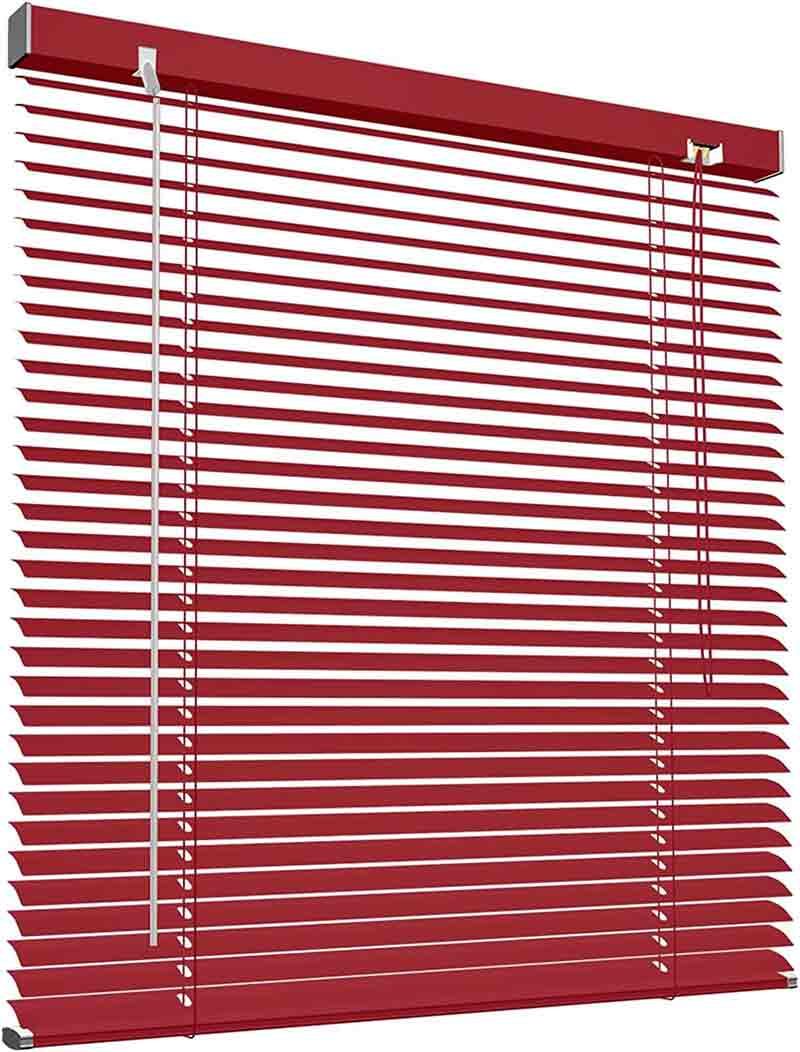
Today, Venetian blinds have long transcended their simple function of blocking light, becoming an important element in both home and commercial decoration, combining aesthetics and functionality. The widespread application of prepainted aluminum coils has
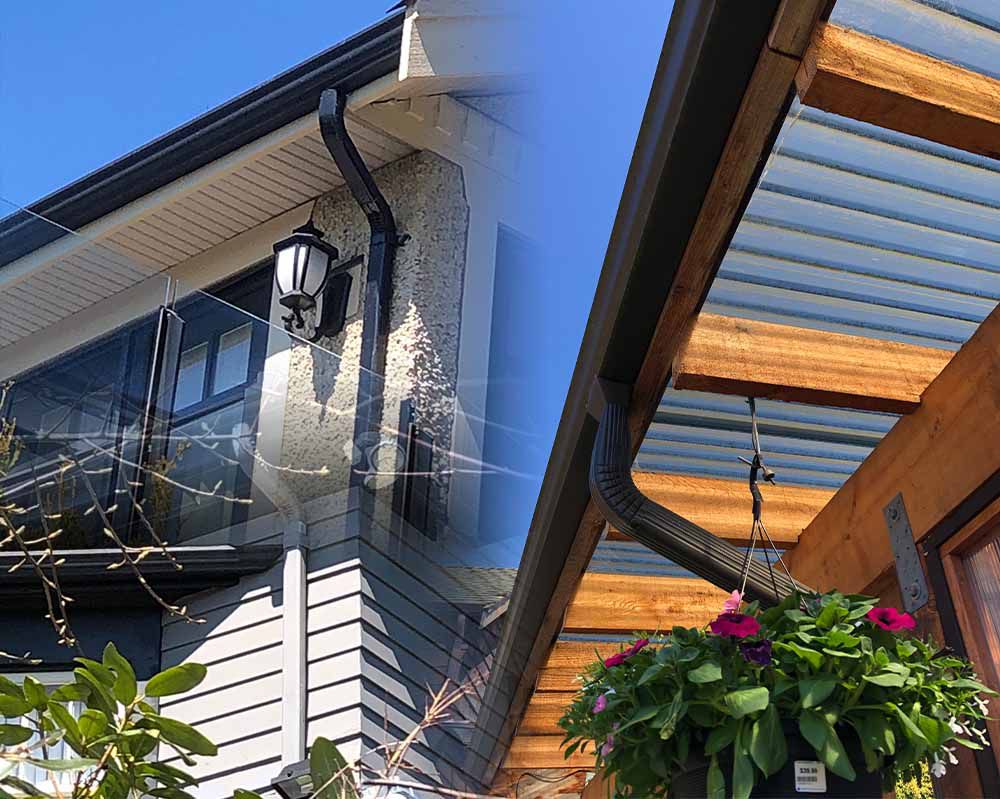
Aluminum gutter coil roll available in popular colors and various sizes, featuring durability, corrosion resistance and easy installation for rain gutter systems. Inquire now!
Blog
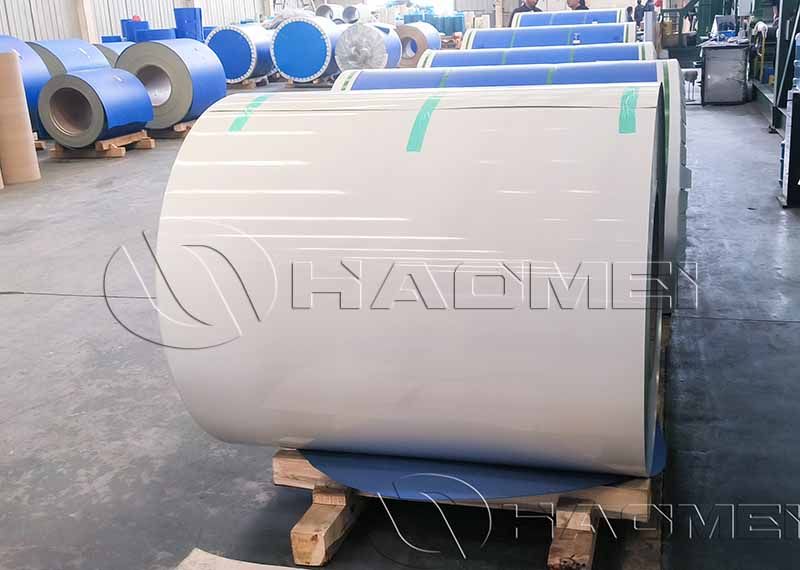
Explore industrial aluminum coils classified by alloy grade (1000, 3000, 5000 series) and usage, including premium roofing, gutter, and insulation aluminum coils. Learn their alloy features, core performance advantages, professional applications in constr
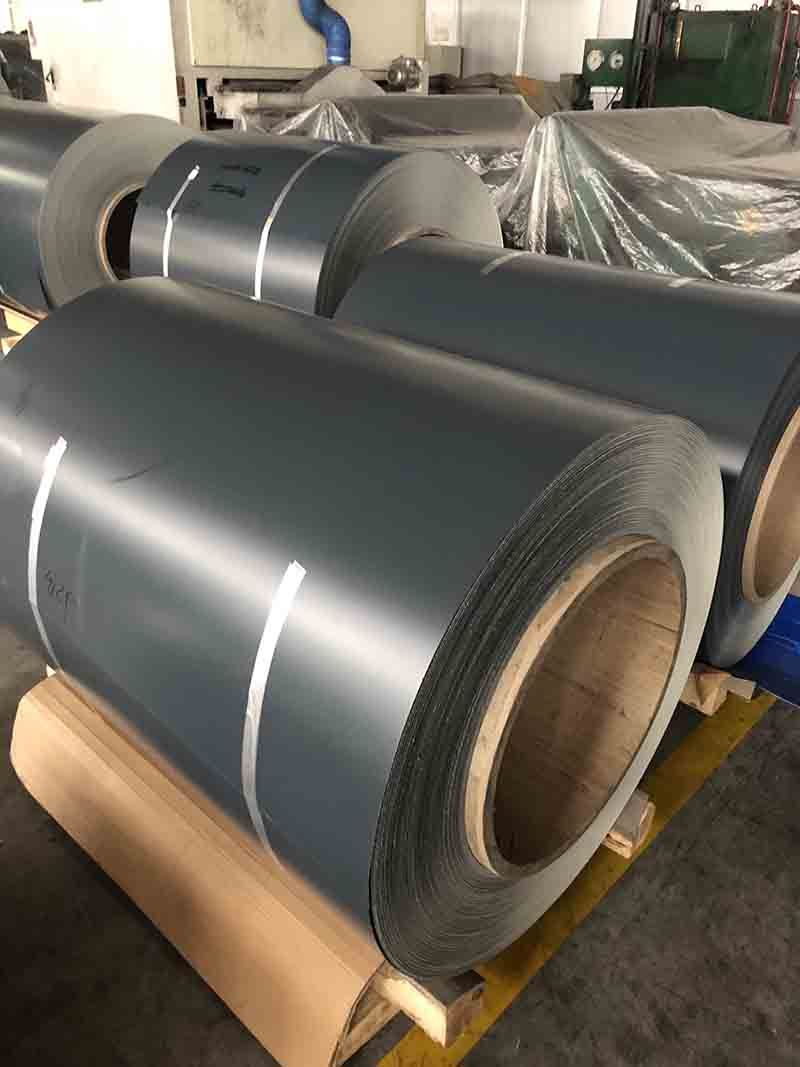
Learn about the systematic quality control tests for coated aluminum coil coatings, including appearance, core performance (adhesion, thickness, hardness), environmental adaptability and auxiliary tests to ensure durability, safety and compliance.
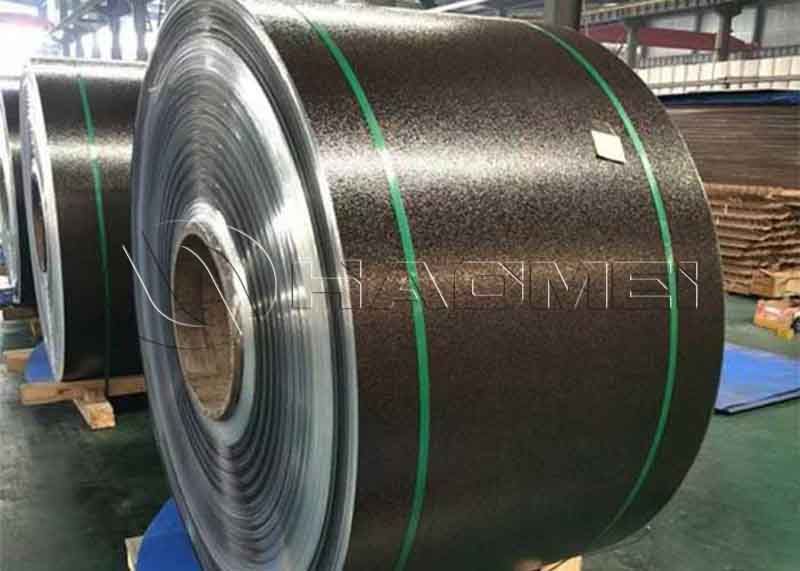
Learn the full compliant import process of high-quality color-coated embossed aluminum coils from China. Explore product specs, trade terms, customs clearance, qualified supplier selection & global application scenarios for overseas buyers.
MS 2040 standard pre-coated aluminum coils are top choices for high-end architectural & industrial projects. Featuring 1000/3000/5754 alloys, they are perfect for indoor/semi-outdoor ceiling decoration in homes, malls & public buildings.
Premium PE coated aluminum coils feature rich colors, great processability & cost efficiency. Ideal for building interior exterior decoration, commercial signs & public traffic signage, eco-friendly with stable long service life. Learn more.
In the aluminum processing industry, anodized aluminum coils and color-coated aluminum coils are the two most widely used surface-treated aluminum products. Both are widely used in architectural decoration, industrial manufacturing, and appliance facades
FACTORY TOUR Haomei Aluminum is committed to technological innovation and equipment upgrading, equipping our production base with advanced intelligent production lines, including continuous coating lines, precision slitting machines and embossing equipment.
With near 30 years of 20 years of professional metal coating experience, we can provide you PE/PVDF/HDPE/FEVE coated aluminum coils with rich alloys and colors. We are also one of the few coating applicators that can replicates natural materials such as stones,marble,wood,on the surface of metal with paint.

Haomei Aluminum’s fully automatic high-speed color coating production lines, adopting advanced two-coat two-bake precision roller coating technology. The whole line is controlled by an intelligent automation system, ensuring uniform coating, stable speed and high efficiency. With precise control over coating thickness and closed-loop temperature control, our products feature excellent weather resistance, corrosion resistance, color stability, scratch resistance and long service life.