Qoute Now
Find out more about how we can support your goals by filling out the form or emailing us at

In industrial manufacturing and building envelope sectors, "replacing steel with coated aluminum" has become a significant trend in lightweight and green transformation. Color-coated steel coils (PPGI/PPGL), as traditional mainstream materials, have long dominated the market due to their initial cost advantage; while aluminum alloy coils, with their superior comprehensive performance, are gradually replacing steel in mid-to-high-end applications.
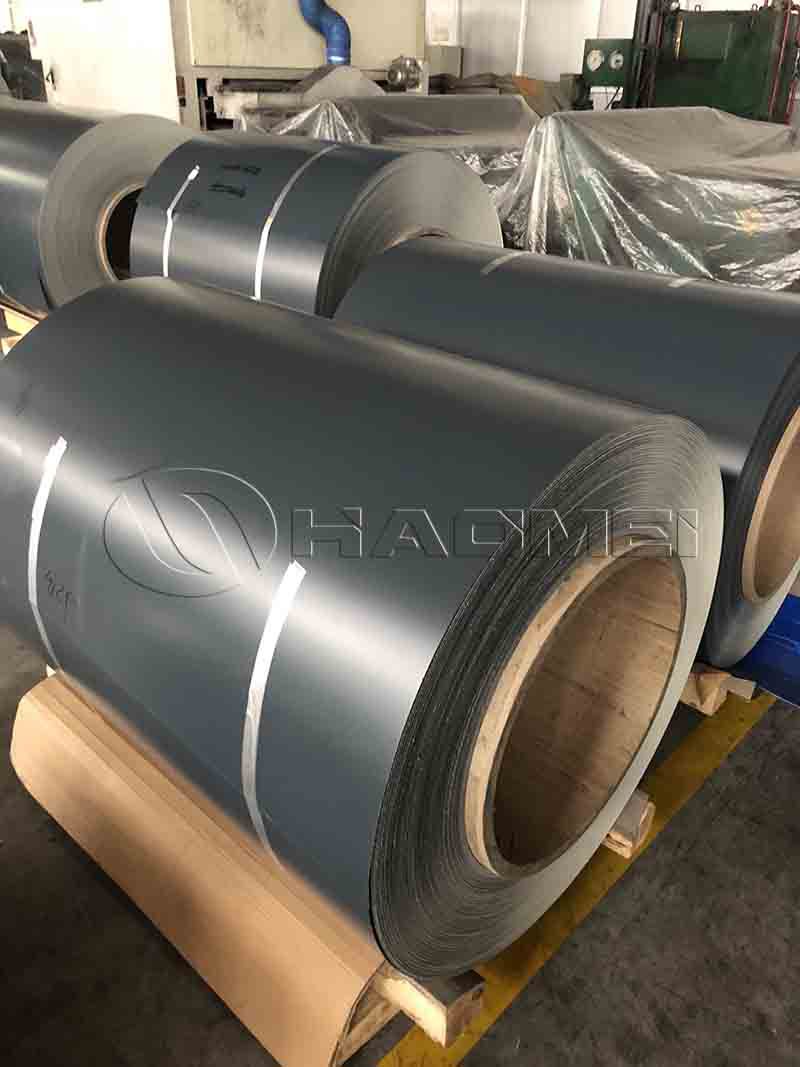
- PPGI (Color-Coated Galvanized Steel Coil): Uses hot-dip galvanized steel as the base material, with a color coating on the surface. Its core advantages are low initial cost and good formability, making it suitable for ordinary indoor applications or short-term outdoor use. It relies on the galvanized layer for basic corrosion protection, but is prone to rust when exposed to humid or coastal environments for extended periods.
- PPGL (Color-Coated Aluminized Zinc Steel Coil): The base material is an aluminized zinc alloy (55% aluminum + 43.4% zinc + 1.6% silicon). The coating process is the same as PPGI, offering superior corrosion resistance. It is suitable for moderately corrosive environments, but is essentially still a steel material with high density and is easily damaged.
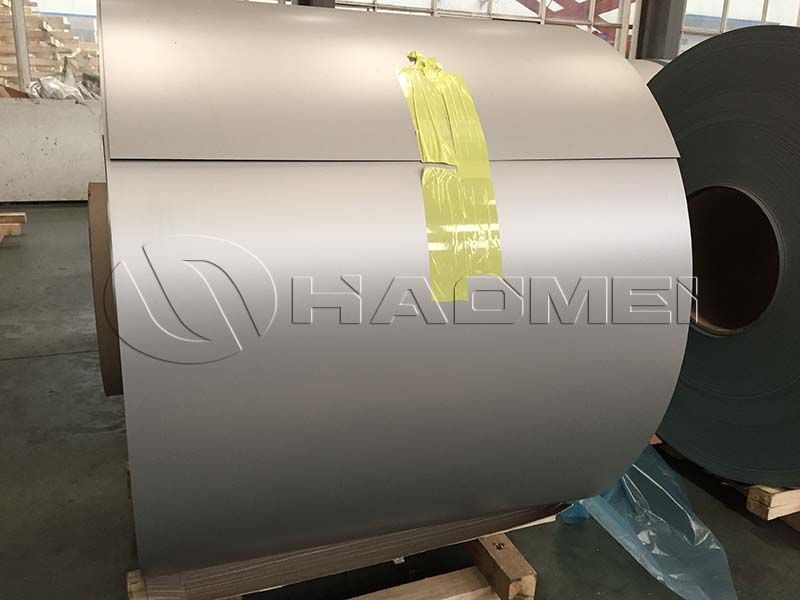
- Aluminum Alloy Coils: Using 6000 series and 3000 series aluminum alloys as the base material, surface treatments such as anodizing and spraying can be applied as needed. With a density only 1/3 that of steel, they possess advantages such as natural corrosion resistance, lightweight, and 100% recyclability. While the initial purchase price is higher, their total lifecycle cost is more competitive.
Overall Cost = Initial Purchase Cost + Installation and Construction Cost + Operation and Maintenance Cost + Residual Value Recovery Cost - Lifespan Amortized Cost. We compare the differences between the two using this formula, referencing current mainstream industry standards while considering both versatility and practicality.
This is the most obvious advantage of color-coated steel coils (PPGI/PPGL), and the core reason why many companies prioritize them.
Based on the latest market quotations in 2026, the procurement costs (including tax, standard thickness 0.6mm) of the three materials are compared as follows:
- PPGI: Approximately $700-785/ton, equivalent to approximately $0.55-0.63 per square meter (calculated based on a steel density of 7.85 g/cm³);
- PPGL: Approximately $750-845/ton, equivalent to approximately $0.58-0.66 per square meter. Due to the higher cost of the aluminized zinc substrate compared to galvanized steel, it is 5%-10% higher than PPGI;
- Aluminum alloy coil: Approximately $2660-3150/ton (referencing the estimated international aluminum price center in 2026 and coating processing premium), equivalent to approximately $0.85-1.00 per square meter (calculated based on an aluminum density of 2.7 g/cm³). The price is approximately 1.5-1.7 times that of PPGI and 1.4-1.6 times that of PPGL.
Key Reminder: When selecting based on "equivalent strength," thinner aluminum coils can be chosen (e.g., 0.45mm aluminum coils have strength close to 0.6mm color steel coils), slightly reducing the difference in procurement costs. For example, the unit price of 0.45mm aluminum coils is approximately US$0.64-0.75 per square meter, narrowing the gap with high-end PPGL to within 15%, a point easily overlooked.
The difference in installation costs stems primarily from material density and weight, which is one of the core advantages of "aluminum replacing steel."
1. Transportation and Lifting Costs: Aluminum coil density is only 1/3 that of steel. For the same area and strength, aluminum coils weigh approximately 35%-40% of color steel coils. During transportation, aluminum coils reduce the need for vehicle capacity, and during lifting, no large equipment is required, only small cranes or even manual assistance are needed, reducing transportation and lifting costs by 30%-50%. This is particularly suitable for high-altitude operations and mountainous construction scenarios, significantly improving construction efficiency and reducing safety risks.
2. Construction Labor Costs: Aluminum coils offer superior flexibility and formability, requiring no special tools for cutting, bending, and splicing, making construction easier than with color steel coils (PPGI/PPGL requires avoiding damage to the galvanized layer, making the construction process more complicated). Furthermore, aluminum coils are lightweight, resulting in higher efficiency for workers in handling and installation. For a 1000㎡ roof construction project, aluminum coils can save 20%-30% of labor hours. Based on current international industrial construction labor prices ($40-60/day), this translates to savings of $300-700 in labor costs.
Summary: Although the initial purchase price of aluminum coils is higher, the installation and construction process can save 30%-40% of costs, significantly offsetting the initial premium. Cost recovery can be seen in the short term (within one year).
Operation and maintenance costs are the core difference in long-term costs—the hidden maintenance costs of color steel coils (PPGI/PPGL) often far exceed the expectations of many companies, while the inherent advantages of aluminum coils allow for "maintenance-free" operation.
1. Corrosion Protection and Maintenance Costs: Corrosion protection of color-coated steel coils relies on the surface coating and galvanized/aluminized zinc plating. Once the coating is damaged and the substrate is exposed, it is highly susceptible to rust and corrosion.
- PPGI: In ordinary outdoor environments, the coating lifespan is approximately 5-8 years, after which regular repainting and maintenance are required. The cost of repainting every 5 years is approximately $0.18-0.24/㎡, and the cumulative repainting cost over 10 years is approximately $0.36-0.48/㎡. In coastal, humid, or industrial corrosive environments, the coating lifespan is shortened to 3-5 years, requiring more frequent maintenance, and may even lead to localized rust requiring replacement of the sheet metal, doubling the hidden costs.
- PPGL: Offers better corrosion protection than PPGI, with a coating lifespan of approximately 8-12 years. Repainting is required every 8 years, and the cumulative repainting cost over 10 years is approximately $0.12-0.18/㎡. However, regular inspection and maintenance are still necessary to prevent rusting after damage to the aluminized zinc plating.
- Aluminum Alloy Coils: Aluminum naturally forms a dense oxide film 5-10μm thick on its surface, providing excellent corrosion resistance. It can withstand humidity, coastal salt spray, and mild industrial corrosion without the need for coatings. With anodizing or spraying, the surface protective layer can last over 20 years, requiring almost no maintenance within 10 years, only periodic dust cleaning. Maintenance costs are close to zero, making it particularly suitable for harsh environments such as coastal areas and high humidity.
2. Replacement Costs: Color-coated steel coils (PPGI/PPGL) are prone to deformation, rust, and coating peeling over long-term use, potentially requiring partial replacement within 10 years. Replacement costs (including materials and labor) are approximately $0.97-1.45/㎡. In contrast, the coil coated aluminium is tough, resistant to deformation, corrosion, and aging, requiring almost no replacement within their normal service life, making replacement costs negligible.
The final comparison of overall costs hinges on service life and residual value recovery. This is the core manifestation of the long-term benefits of aluminum coils, significantly differentiating them from color-coated steel coils.
1. Service Life Comparison(Under the same usage environment and maintenance conditions):
- PPGI: Service life approximately 10-15 years, only 5-8 years in harsh outdoor environments;
- PPGL: Service life approximately 15-20 years, approximately 8-12 years in harsh outdoor environments;
- Aluminum Alloy Coil: Service life approximately 30-50 years, still reaching 20-30 years in harsh outdoor environments, 2-3 times that of PPGI and 1.5-2 times that of PPGL. Especially high-end aerospace-grade aluminum alloys, after special treatment, can have their service life further extended, perfectly meeting the needs of long-term use scenarios.
2. Residual Value Recycling Cost
- Color Steel Coil (PPGI/PPGL): After the service life expires, due to surface coating, corrosion, and other issues, the recycling value is low, approximately 10%-15% of the initial purchase price. Furthermore, the coating needs to be stripped during recycling, increasing recycling costs, resulting in limited actual residual value. At the same time, recycling steel materials is energy-intensive, which is inconsistent with the green and low-carbon trend.
- Aluminum alloy coils: 100% recyclable and reusable, recycling energy consumption is only 5% of that of primary aluminum production, carbon emissions are reduced by 95%, in line with global carbon neutrality goals; recycling value is about 30%-40% of the initial purchase price, and the recycling process is simple and does not require complicated treatment. After the end of its service life, it can generate secondary income through recycling, significantly reducing the overall cost over the entire life cycle.
 Products
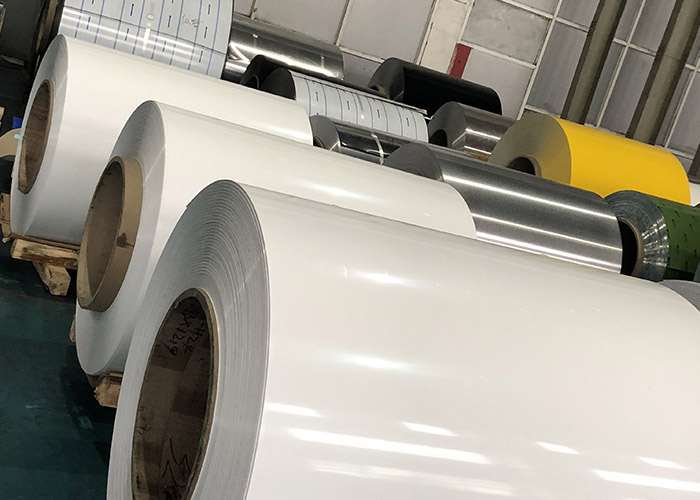
Our PE coated aluminum coil features excellent bending performance, wide color & alloy options, long service life and durable finish. Custom sizes & colors available to meet your project demands. Get Quote now!
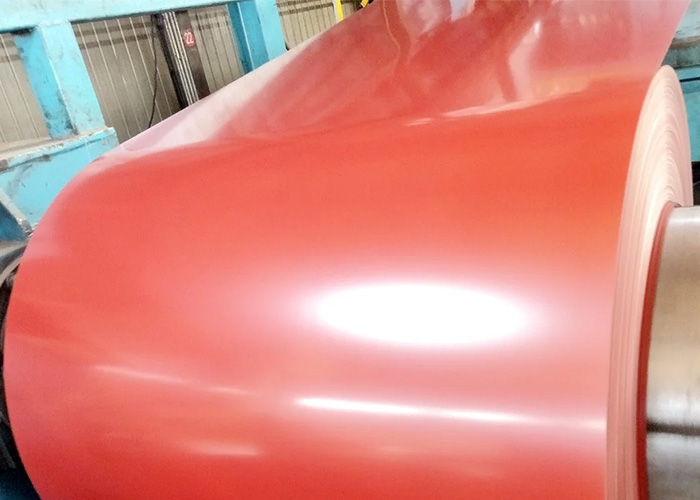
Our PVDF aluminum coil has excellent weather resistance,long service life up to 20+ years outdoors,anti-fading, stable performance in harsh environments, ideal for exterior building cladding and outdoor applications. Inquire now!
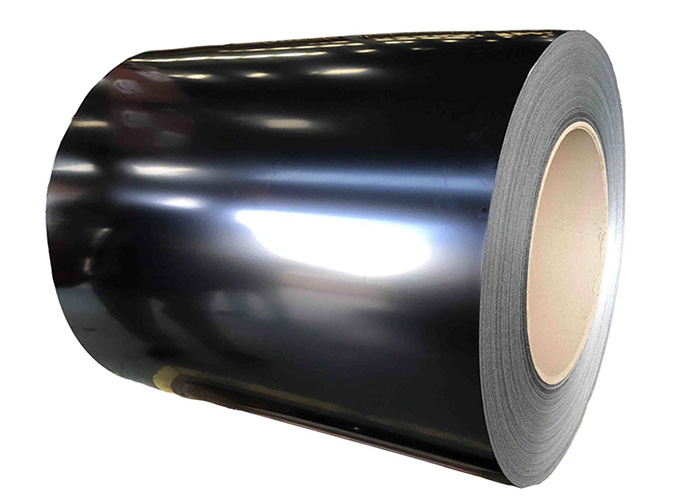
Premium FEVE coated aluminum coil with excellent formability & color stability. Perfect for curtain walls, aluminum composite panels, outdoor decoration & high-end building projects worldwide. Inquire now!
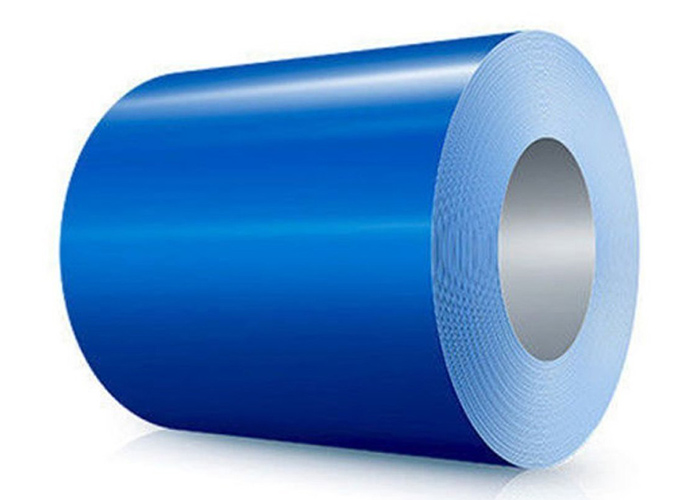
HDPE aluminum coil with stable coating quality, easy processing, and reliable weather resistance, ideal for interior and general outdoor applications at a lower cost. Get price now!
Application
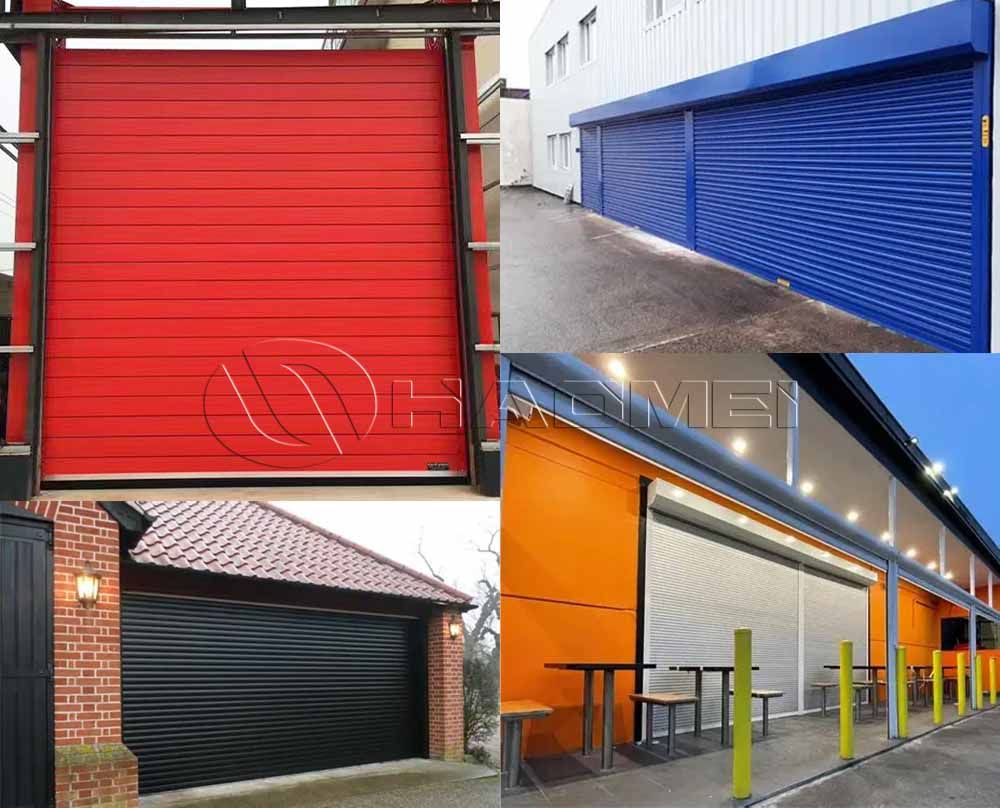
Color aluminum coils: lightweight, corrosion-resistant, durable & color-rich, ideal for roller shutters in shops, garages, factories. Various specs, alloy options, custom colors & professional packaging for all scenarios. Learn more.
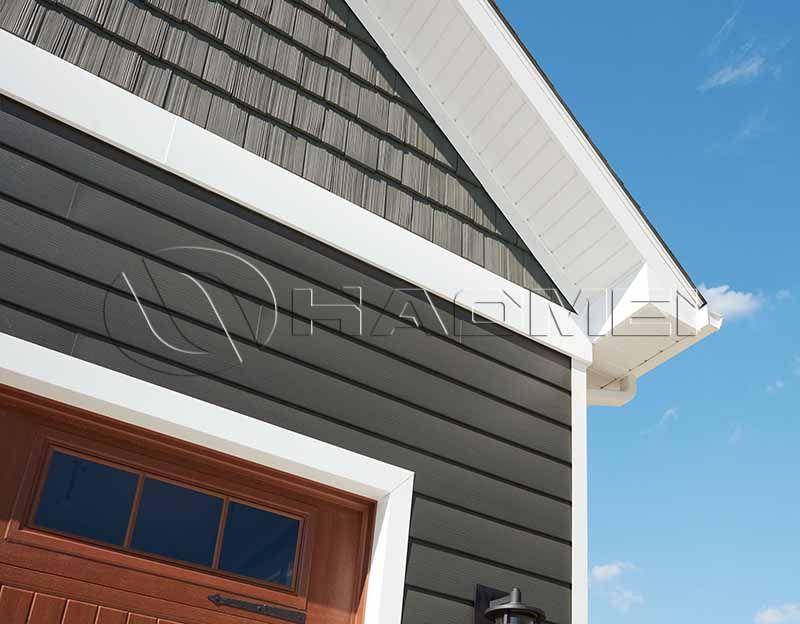
Learn what aluminum trim coil is, common alloys 1100/3003/3105/5052, popular sizes like 24×50, colors, applications, coating types, packaging, shipping and order terms for building exterior & interior trim.
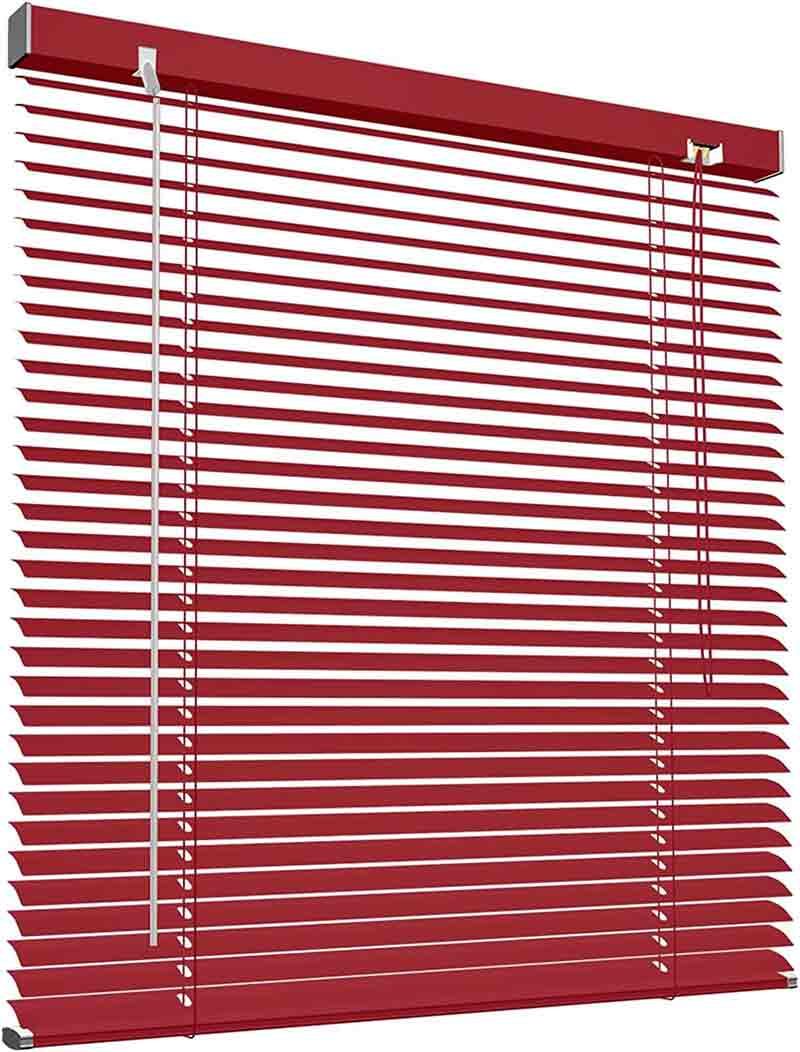
Today, Venetian blinds have long transcended their simple function of blocking light, becoming an important element in both home and commercial decoration, combining aesthetics and functionality. The widespread application of prepainted aluminum coils has
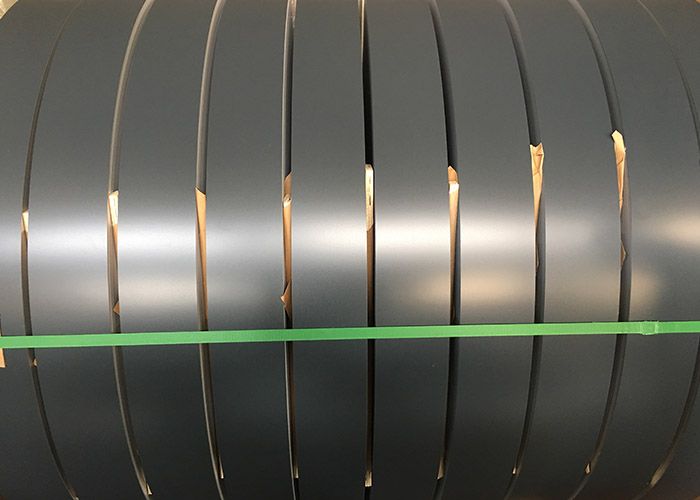
Color Coated Aluminum Coil Manufacturer for Ceiling | PE/PVDF coated, waterproof, anti-UV, long service life. Lightweight, easy fabrication, ideal for ceiling tiles, linear ceilings & decorative panels. Inquire now!
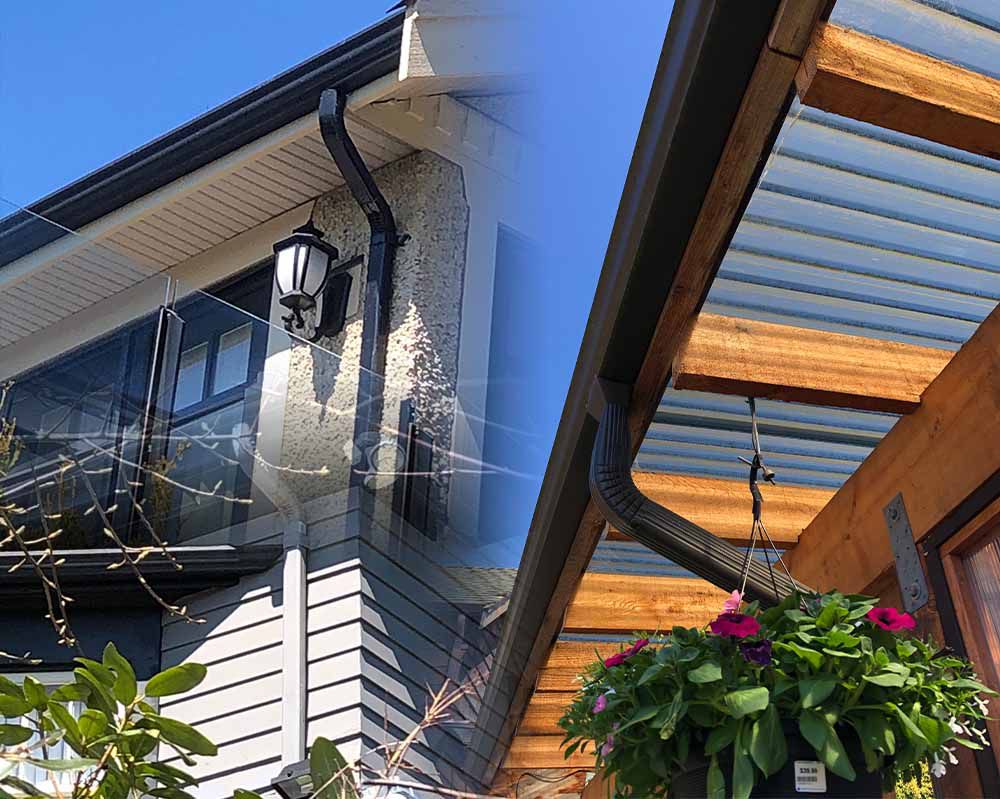
Aluminum gutter coil roll available in popular colors and various sizes, featuring durability, corrosion resistance and easy installation for rain gutter systems. Inquire now!
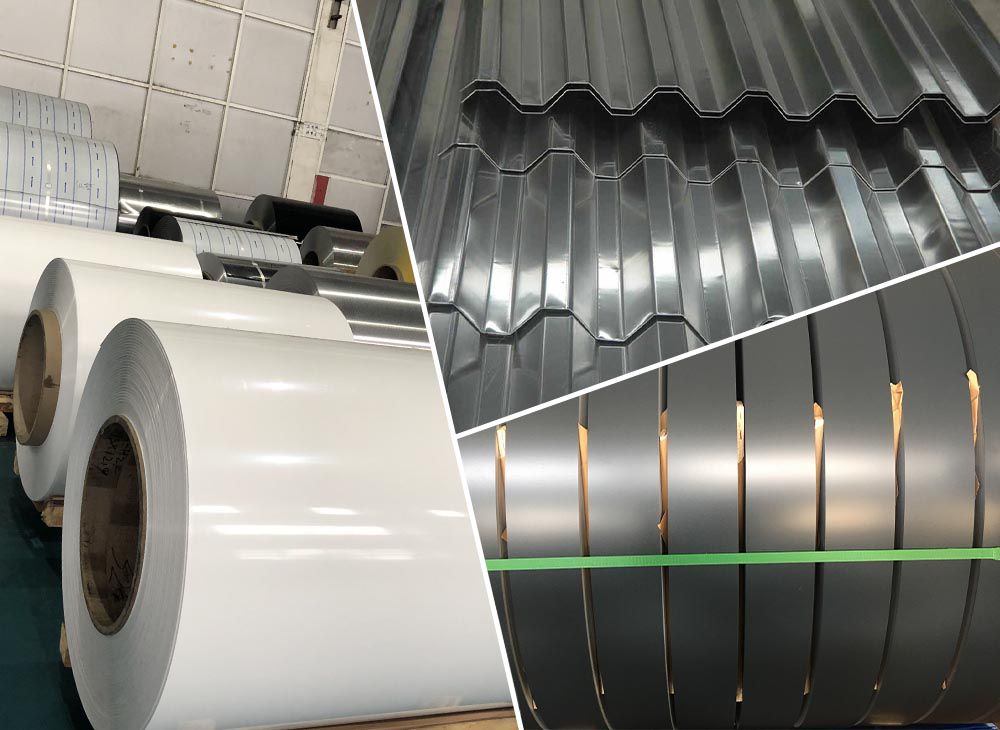
Aluminum roofing coilHaomei Aluminum's coated aluminum coil for roofing is well known for lightweight, high strength, weather resistance, and corrosion resistance, with a service life of 15-30 years. It also has excellent processability and can be ada
Blog
Aluminum gutter coil specs, alloys, coatings, costs, standards and QC checklist for durable gutter production and sourcing.
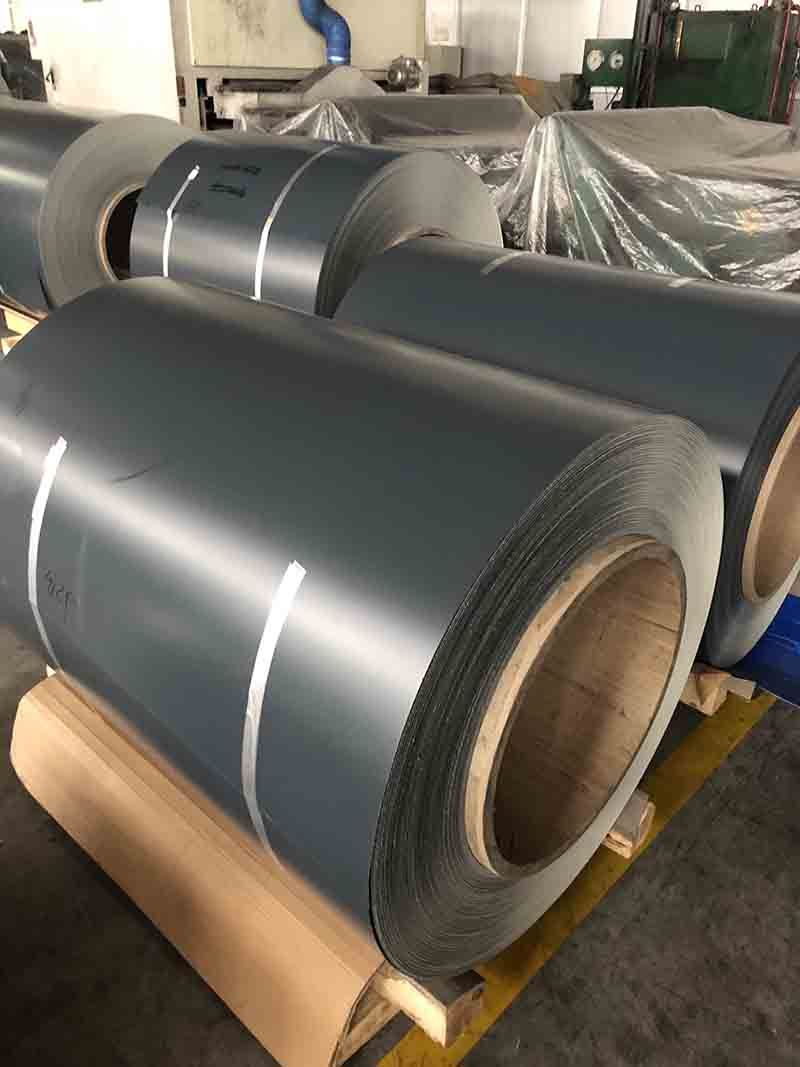
Learn about the systematic quality control tests for coated aluminum coil coatings, including appearance, core performance (adhesion, thickness, hardness), environmental adaptability and auxiliary tests to ensure durability, safety and compliance.
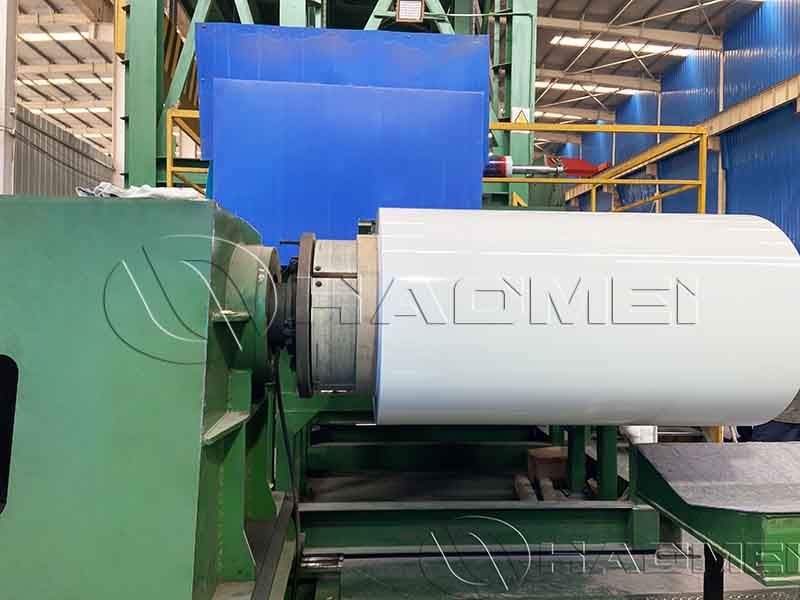
Premium PE coated aluminum coils feature rich colors, great processability & cost efficiency. Ideal for building interior exterior decoration, commercial signs & public traffic signage, eco-friendly with stable long service life. Learn more.
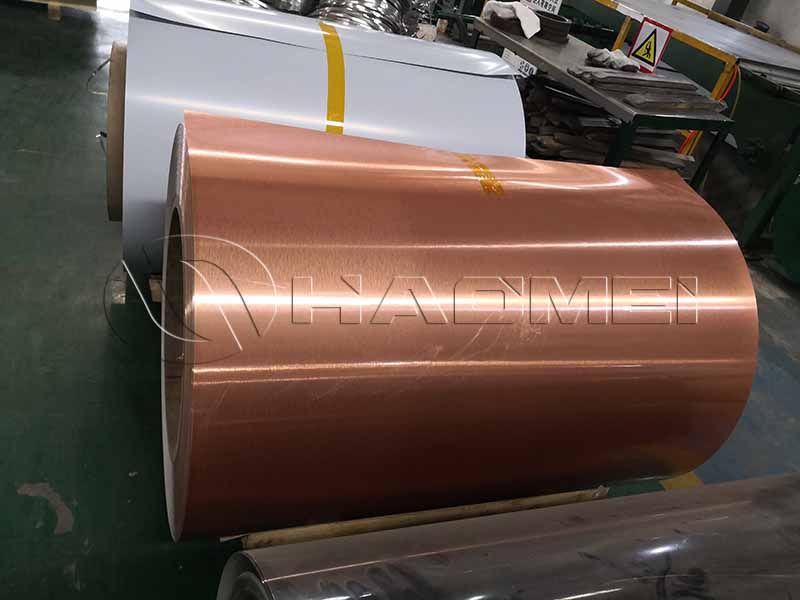
In the coil coated aluminium processing industry, coating color consistency is one of the core indicators for measuring product quality. Whether it's building curtain walls, interior ceilings, appliance casings, or industrial plant decoration, color d
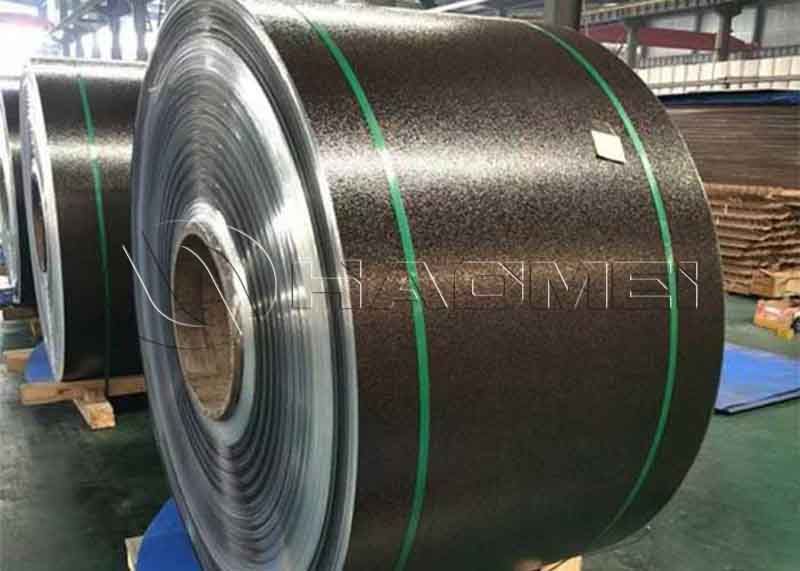
Learn the full compliant import process of high-quality color-coated embossed aluminum coils from China. Explore product specs, trade terms, customs clearance, qualified supplier selection & global application scenarios for overseas buyers.
Premium PVDF coated aluminum sheets has outstanding weather resistance and anti-corrosion performance. Check varied service life across indoor, urban, coastal and industrial sites, durability merits and 5 key factors influencing lifespan for reliable outd
FACTORY TOUR Haomei Aluminum is committed to technological innovation and equipment upgrading, equipping our production base with advanced intelligent production lines, including continuous coating lines, precision slitting machines and embossing equipment.
With near 30 years of 20 years of professional metal coating experience, we can provide you PE/PVDF/HDPE/FEVE coated aluminum coils with rich alloys and colors. We are also one of the few coating applicators that can replicates natural materials such as stones,marble,wood,on the surface of metal with paint.

Haomei Aluminum’s fully automatic high-speed color coating production lines, adopting advanced two-coat two-bake precision roller coating technology. The whole line is controlled by an intelligent automation system, ensuring uniform coating, stable speed and high efficiency. With precise control over coating thickness and closed-loop temperature control, our products feature excellent weather resistance, corrosion resistance, color stability, scratch resistance and long service life.