Qoute Now
Find out more about how we can support your goals by filling out the form or emailing us at

Brown anodising provides a metallic architectural finish with better scratch resistance than most painted surfaces, but colour consistency is the primary purchasing risk. Brown tones can vary between production batches, alloy chemistries, surface preparations, viewing angles, and anodising lines.
For brown anodised aluminium, a colour name alone is not a usable specification. Require an approved control sample, a defined alloy and temper, anodic coating thickness, sealing requirement, inspection method, and batch-traceable test records. This approach prevents disputes where material is technically brown but visibly mismatched after installation.
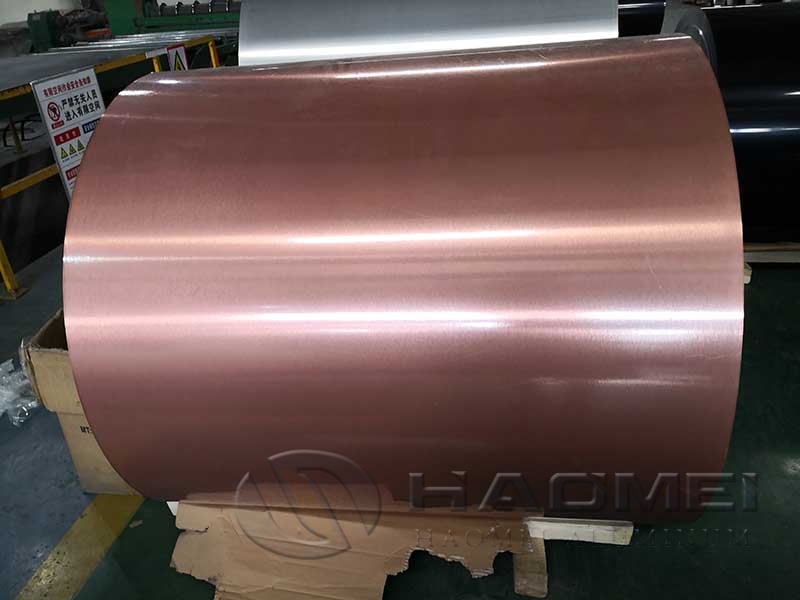
Colour shown on a screen is illustrative only. Approval should always be based on physical production samples viewed under agreed lighting.
Brown anodic finishes are commonly produced by electrolytic colouring after sulphuric-acid anodising, although dyed finishes may also be offered. Electrolytic colouring generally provides better light stability for exterior architectural use because the colour is deposited within the anodic pore structure before sealing. Suppliers should state the colouring process rather than describing the finish only as "bronze" or "brown".
Alloy selection has a direct effect on appearance. High-purity commercial alloys and 5000-series architectural alloys generally anodise more uniformly than alloys containing higher levels of silicon, iron, copper, or manganese. For visible façades, trims, and interior panels, 5005 aluminium is widely specified where a consistent anodised appearance is required. 1050 and 1060 can also provide a clean finish, while 3003 may show a different tone or grain pattern and needs pre-production approval.
| Material factor | Effect on brown finish | Purchasing action |
|---|---|---|
| Alloy chemistry | Changes brightness, hue, and reflectivity | Fix alloy designation and chemical limits in the purchase order |
| Temper | Affects flatness, forming response, and surface texture | State temper, such as H14, H24, H32, or H34 |
| Surface finish | Mill finish, brushed, polished, and etched surfaces reflect colour differently | Approve finish direction, roughness, and sample panel |
| Anodising thickness | Influences durability and perceived depth of colour | Specify minimum average and local thickness |
| Sealing quality | Determines stain and corrosion resistance | Require sealing test results for each production batch |
| Batch mixing | Creates visible tonal differences across an elevation | Order installation zones from one anodising run where practical |
Use a physical limit sample measuring at least 300 mm × 300 mm for exposed architectural work. It should show the agreed brown tone, gloss, grain direction, protective film, and acceptable variation. Mark the reverse side with the alloy, temper, anodising line, date, and approval signature. Retain one sample with the supplier and one with the project quality team.
Colour measurement can support, but not replace, visual approval. If instrumental control is required, define the illuminant, observer angle, measurement geometry, and permissible Delta E value in the contract. A Delta E limit without these conditions is incomplete because different instruments and settings can produce non-comparable readings.
Anodic coating thickness should match service conditions. Architectural specifications often reference AAMA 611 for anodised architectural aluminium in North America. Its common minimum coating classes are Class III, 5 µm; Class II, 10 µm; and Class I, 18 µm. ISO 7599 is an international standard covering general specifications for anodic oxidation coatings on aluminium and its alloys.
| Application | Suitable material format | Typical anodic coating requirement | Practical note |
|---|---|---|---|
| Interior decorative panels | Flat sheet or formed panel | 5-10 µm, subject to exposure | Confirm cleaning chemicals will not attack the finish |
| Window, door, and façade components | Coil, strip, or fabricated profiles | 10-18 µm | Use one approved colour standard across visible elevations |
| Exterior trims and flashings | anodised aluminium coil or slit strip | Usually 10-18 µm | Check forming radius before finalising temper |
| High-exposure coastal components | Fabricated material with enhanced corrosion controls | 18 µm or project-specific requirement | Assess design drainage, crevices, and dissimilar-metal contact |
Thickness alone does not guarantee service life. Sealing is essential because it closes anodic pores and improves resistance to staining and corrosion. ISO 2143 describes an assessment method for sealing quality using dye spot testing with prior acid treatment. ISO 2360 covers eddy-current measurement of electrically non-conductive coatings on electrically conductive base metals and is commonly used to check anodic coating thickness without damaging the part.
For folded flashing, fascia, or brake-formed trim, confirm bend performance on actual finished material. An anodic layer is hard and can craze at tight radii, particularly with thicker coatings or hard tempers. Request a bend trial using the planned tooling radius and inspect the outside bend under magnification. Do not assume a successful test on unfinished aluminium predicts performance after anodising.
An effective specification should identify the aluminium base material separately from the anodic finish. Avoid accepting wording such as "brown anodised, standard quality." It leaves colour, coating mass, sealing, and test acceptance open to interpretation.
Include these controls in the order:
Alloy, temper, thickness tolerance, width tolerance, and flatness requirement.
Product form, such as plate, coil, slit strip, or foil, plus inside diameter and maximum outer diameter where relevant.
Surface condition: mill finish, brushed, satin, etched, or other approved preparation.
Brown colour reference: retained physical sample, anodising process, gloss range, and permitted visual variation.
Minimum anodic coating thickness, measured in accordance with ISO 2360 or an agreed equivalent method.
Sealing requirement and evidence from ISO 2143 testing or the project-specified method.
Protective-film type, adhesion level, and removal window for formed parts.
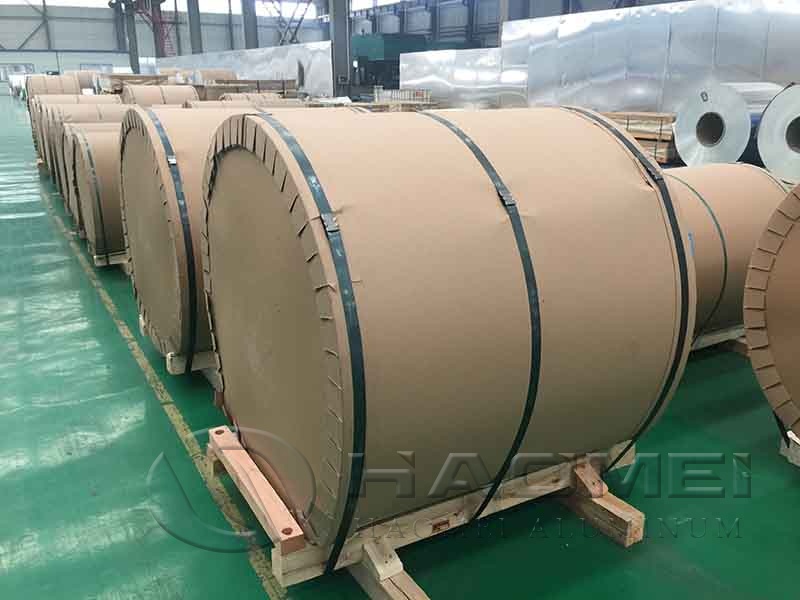
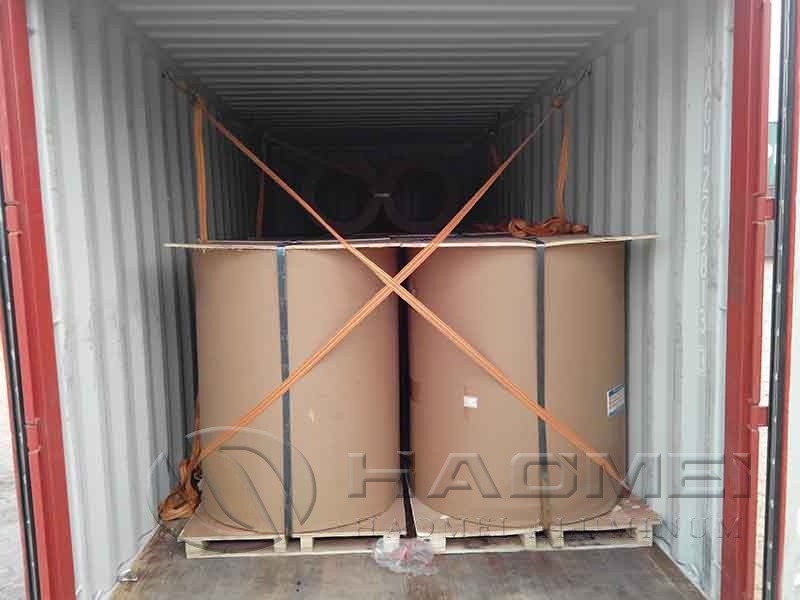
Packaging requirements: interleaving, edge protection, moisture barrier, pallet configuration, and identification labels.
Certificate of conformity showing heat or batch traceability, chemistry, mechanical properties, thickness readings, and finish inspection results.
At receipt, inspect material under consistent daylight or controlled lighting before cutting. Compare every delivered batch with the approved limit sample. Measure thickness at multiple positions across the width, check anodic thickness with a calibrated eddy-current meter, and review coils for edge damage, pressure marks, water staining, and film residue.
Pricing should be compared on the same technical basis. A lower quotation may exclude thicker anodising, tighter colour sorting, protective film, or retained sample approval. Evaluate the metal price, conversion charge, surface preparation, anodising class, colour-control procedure, packaging, testing documents, and yield loss together.
Specify the colour system, alloy, coating thickness, sealing verification, and batch controls before production starts. These requirements make brown architectural aluminium predictable in appearance and durable in service.
 Products
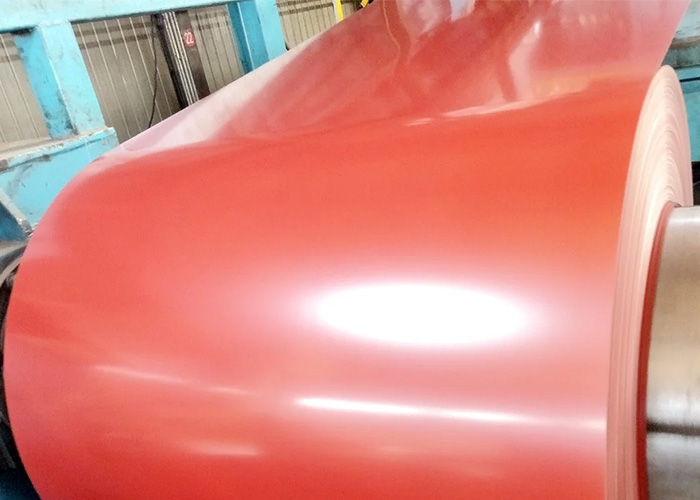
Our PVDF aluminum coil has excellent weather resistance,long service life up to 20+ years outdoors,anti-fading, stable performance in harsh environments, ideal for exterior building cladding and outdoor applications. Inquire now!
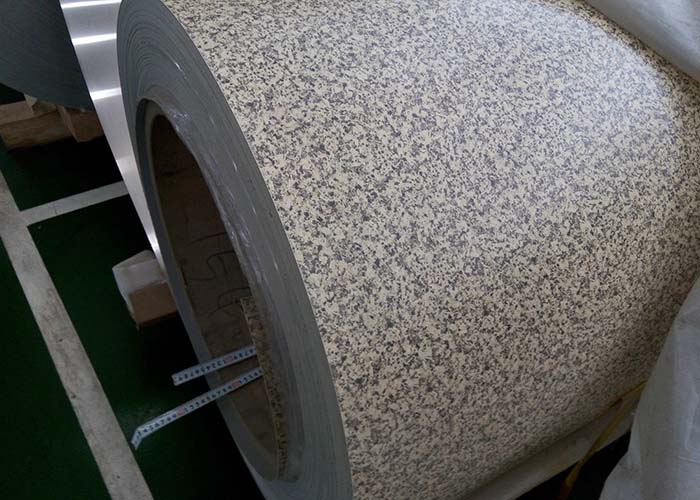
Marble grain aluminum coil features realistic stone texture, light weight, weather resistance and easy processing. Widely used for building curtain walls, interior decoration, wall panels and exterior cladding projects. Inquire now!
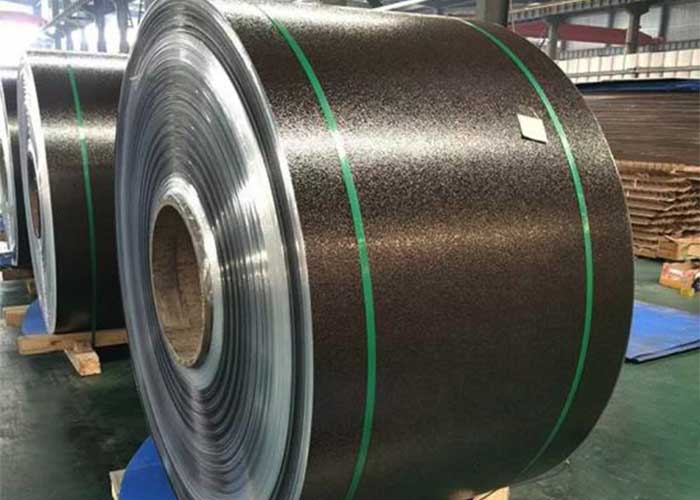
Embossed aluminum coil in stucco/diamond patterns. Alloy 1050/1060/3003/5052, thickness 0.2–3.0mm, PVDF/PE coating optional. Fast quote & delivery.
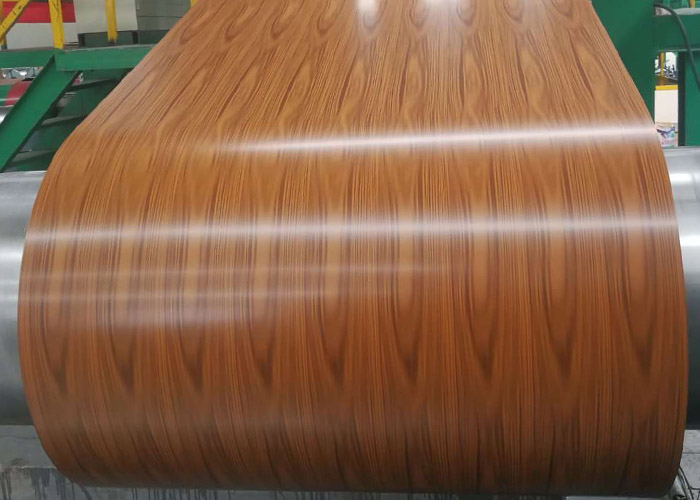
Wood grain aluminum coil with realistic texture, excellent weatherability and durability. Ideal for interior decoration, wall cladding, cabinets, doors, windows and architectural exterior applications.
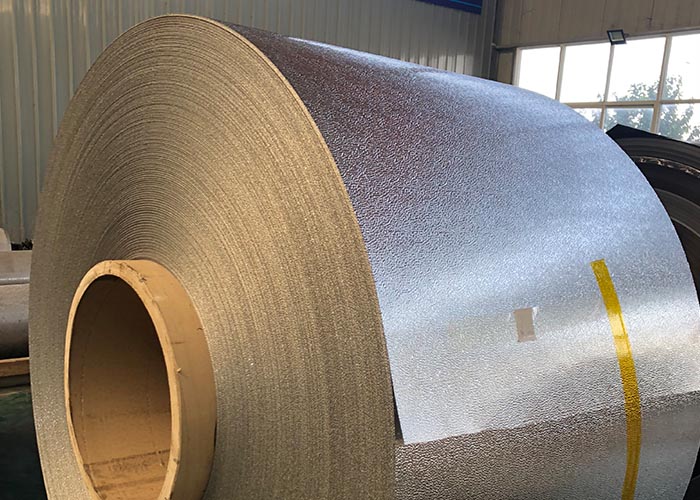
Premium color coated aluminum coil with wide selection of alloys and custom colors, excellent corrosion resistance and formability, widely used in construction, decoration and manufacturing.
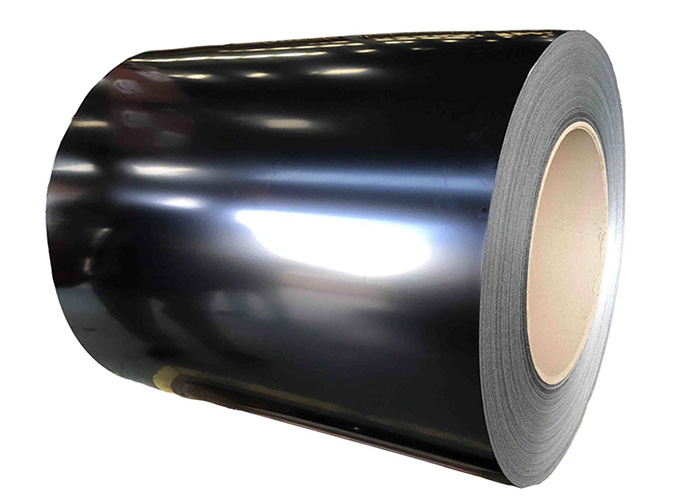
Premium FEVE coated aluminum coil with excellent formability & color stability. Perfect for curtain walls, aluminum composite panels, outdoor decoration & high-end building projects worldwide. Inquire now!
Application
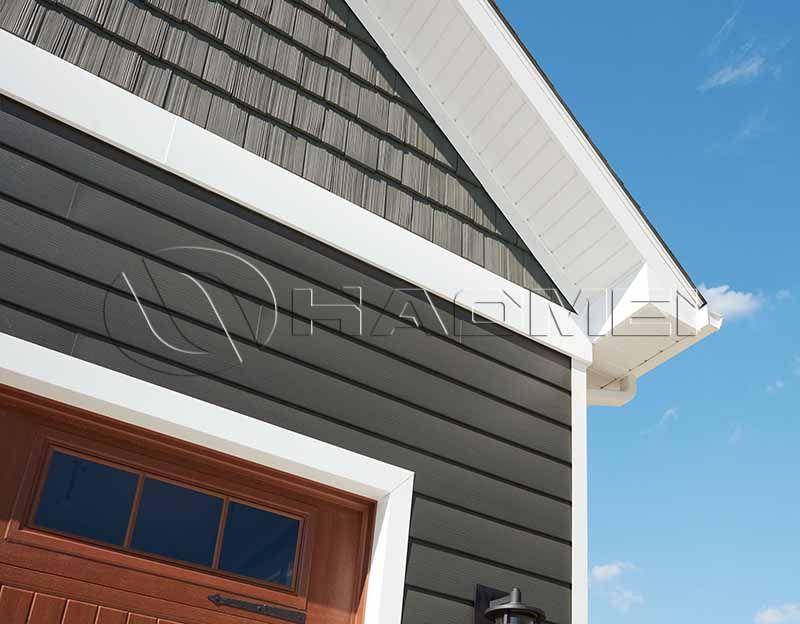
Learn what aluminum trim coil is, common alloys 1100/3003/3105/5052, popular sizes like 24×50, colors, applications, coating types, packaging, shipping and order terms for building exterior & interior trim.
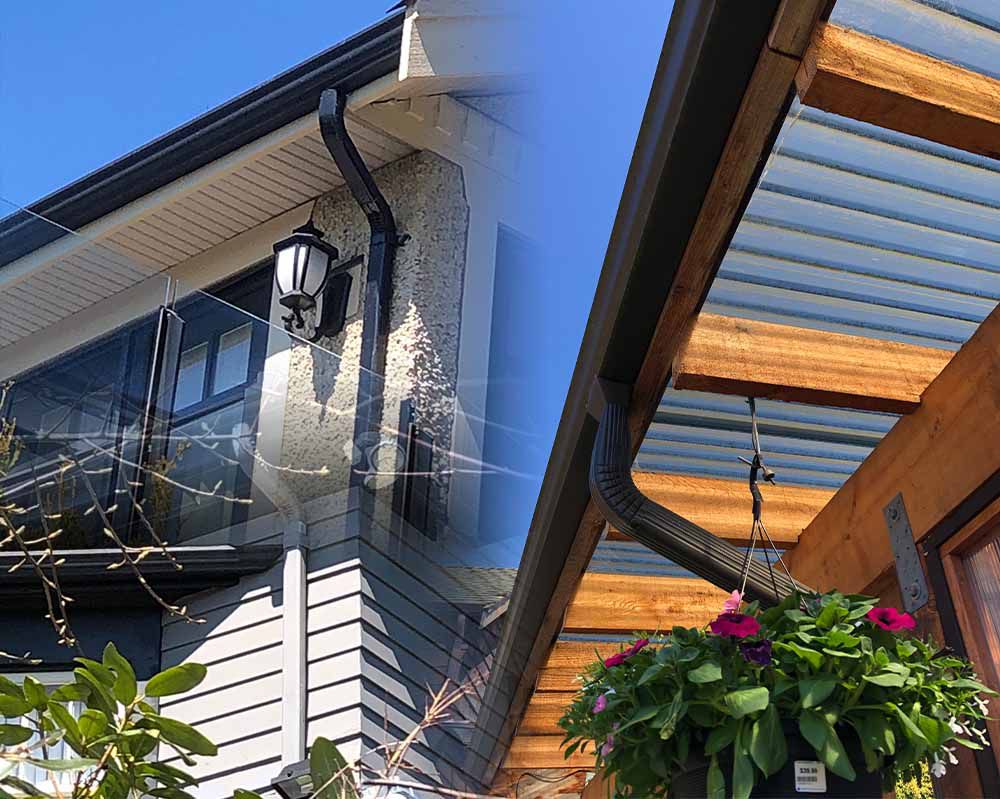
Aluminum gutter coil roll available in popular colors and various sizes, featuring durability, corrosion resistance and easy installation for rain gutter systems. Inquire now!
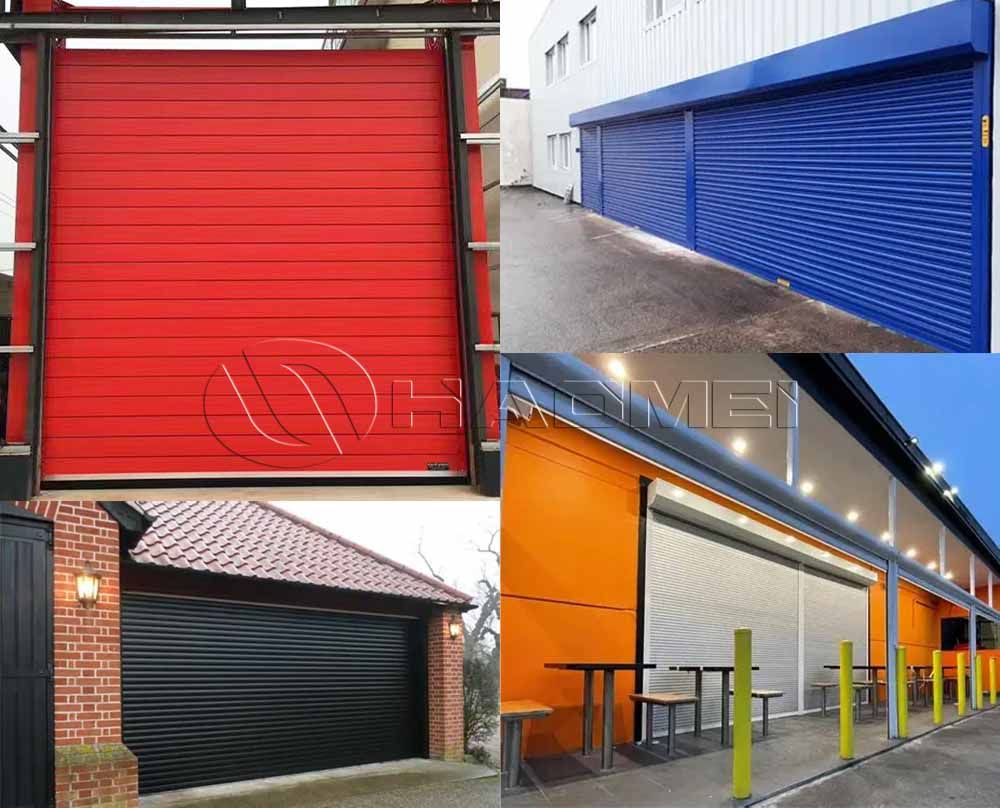
Color aluminum coils: lightweight, corrosion-resistant, durable & color-rich, ideal for roller shutters in shops, garages, factories. Various specs, alloy options, custom colors & professional packaging for all scenarios. Learn more.
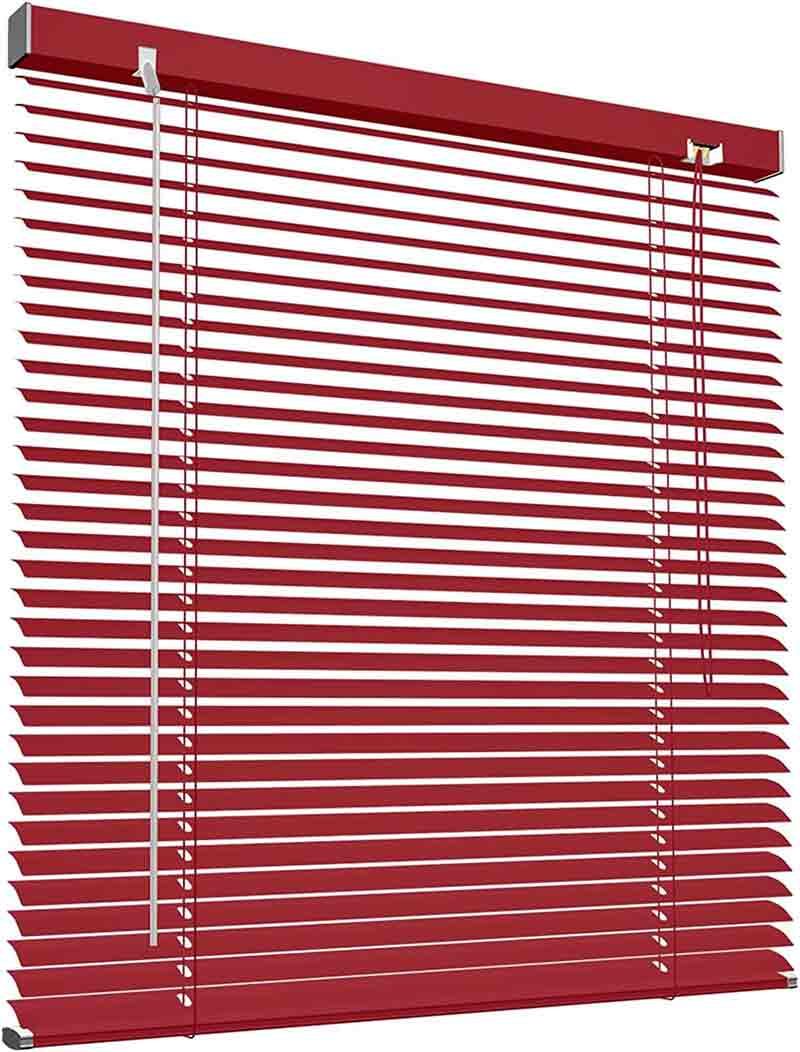
Today, Venetian blinds have long transcended their simple function of blocking light, becoming an important element in both home and commercial decoration, combining aesthetics and functionality. The widespread application of prepainted aluminum coils has
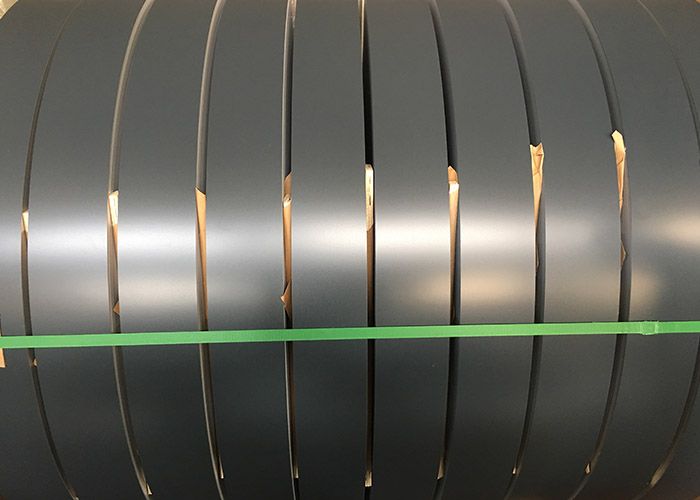
Color Coated Aluminum Coil Manufacturer for Ceiling | PE/PVDF coated, waterproof, anti-UV, long service life. Lightweight, easy fabrication, ideal for ceiling tiles, linear ceilings & decorative panels. Inquire now!
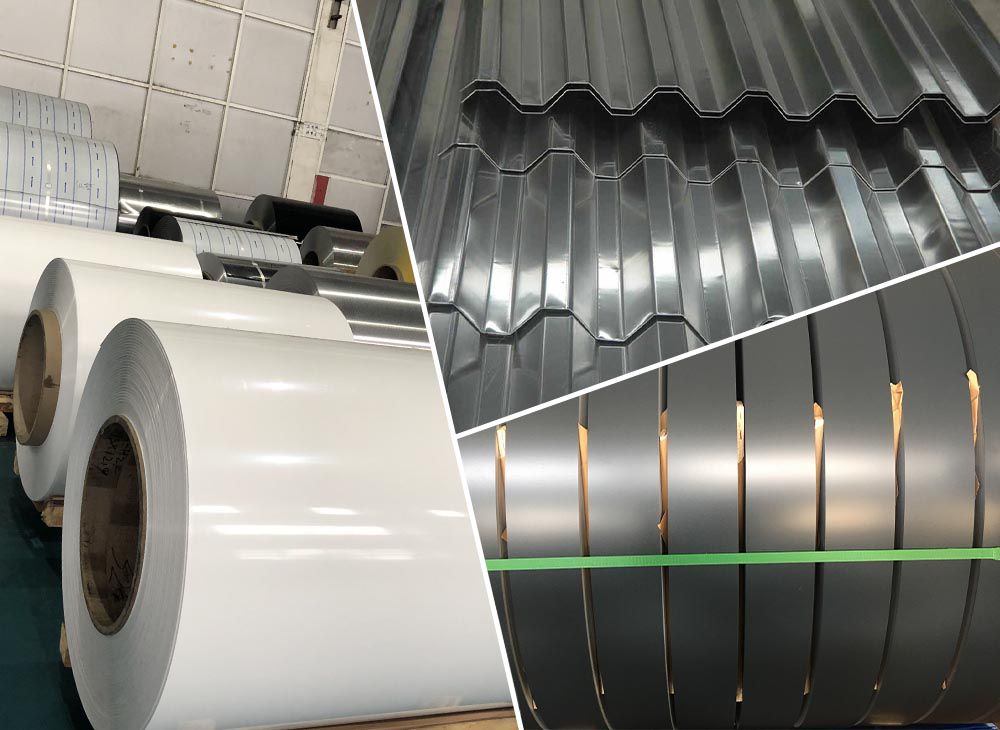
Aluminum roofing coilHaomei Aluminum's coated aluminum coil for roofing is well known for lightweight, high strength, weather resistance, and corrosion resistance, with a service life of 15-30 years. It also has excellent processability and can be ada
Blog
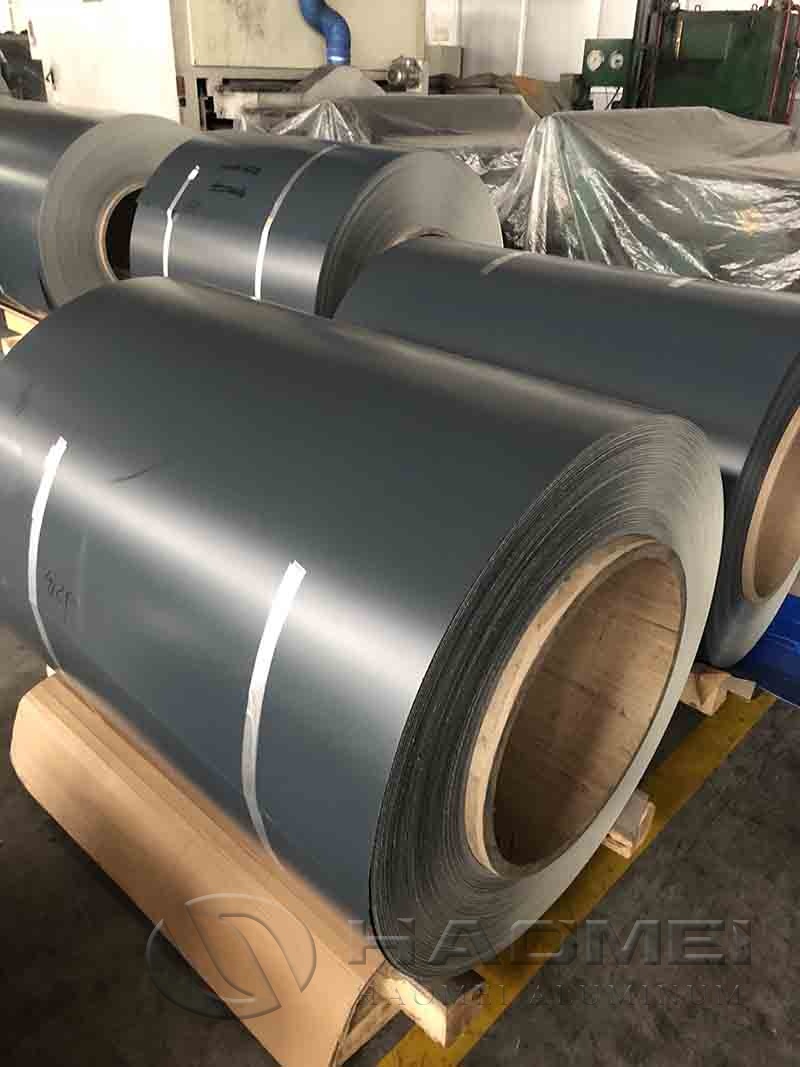
Specify 24 x 50 aluminum trim coil correctly with alloy, gauge, coating tests, dimensional checks, and ordering controls for durable exterior trim.
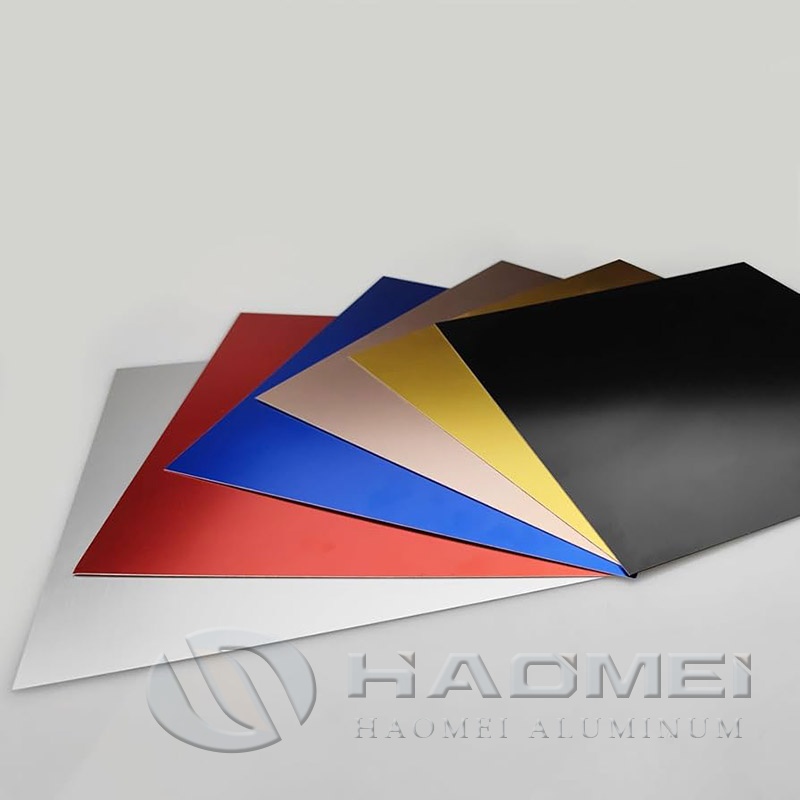
Plan Halloween and year-end display production with colored aluminum sheet metal, coating checks, color controls, packaging, and release dates.
Specify brown anodised aluminium with reliable colour consistency: compare alloys, thickness, sealing, inspection tests, standards and order controls.
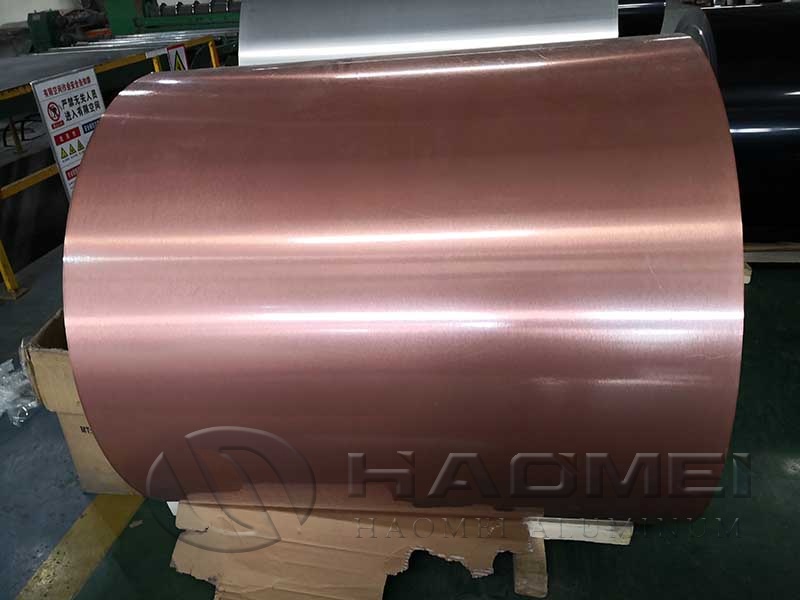
Select aluminium gutter coil by alloy, temper, gauge, coating, tests, and packaging. Practical specs for durable rainwater systems.
Compare white aluminum coil stock coatings, alloy specs, tolerances, testing standards and packaging checks for durable, color-consistent orders.
Black trim coil stocking plan for July 4 renovation demand: compare coatings, specs, packaging, and order steps for high-volume aluminum teams.
FACTORY TOUR Haomei Aluminum is committed to technological innovation and equipment upgrading, equipping our production base with advanced intelligent production lines, including continuous coating lines, precision slitting machines and embossing equipment.
With near 30 years of 20 years of professional metal coating experience, we can provide you PE/PVDF/HDPE/FEVE coated aluminum coils with rich alloys and colors. We are also one of the few coating applicators that can replicates natural materials such as stones,marble,wood,on the surface of metal with paint.

Haomei Aluminum’s fully automatic high-speed color coating production lines, adopting advanced two-coat two-bake precision roller coating technology. The whole line is controlled by an intelligent automation system, ensuring uniform coating, stable speed and high efficiency. With precise control over coating thickness and closed-loop temperature control, our products feature excellent weather resistance, corrosion resistance, color stability, scratch resistance and long service life.