Qoute Now
Find out more about how we can support your goals by filling out the form or emailing us at

White anodised aluminium is increasingly specified for architectural trims, signage, appliance panels, transport interiors, and decorative fabrication. Recent English-language Q&A discussions commonly focus on whether the white appearance is truly anodised, how long it lasts outdoors, and what should be confirmed before production.
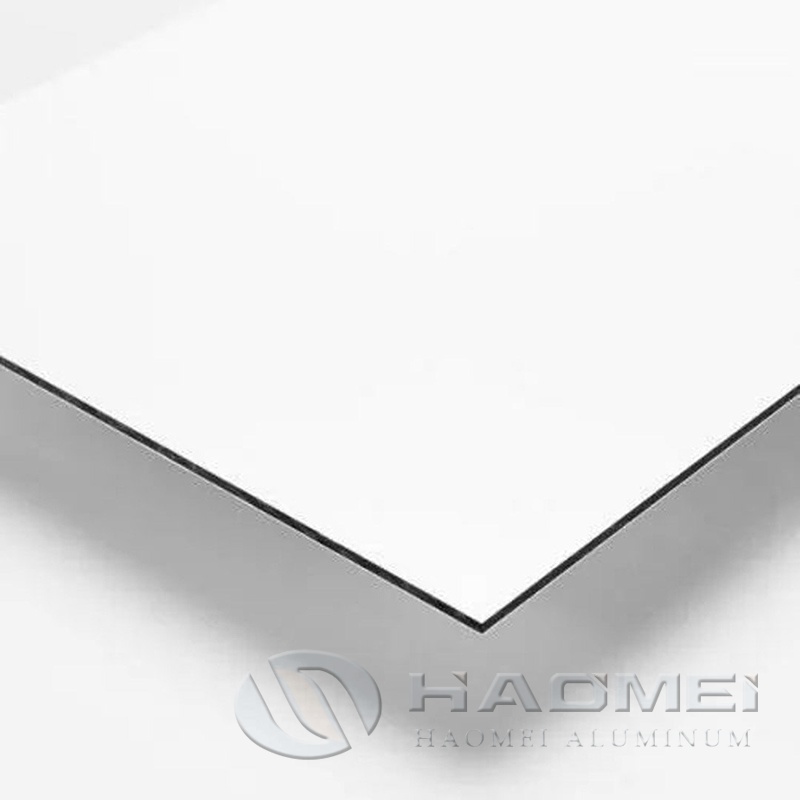
The term can describe more than one finish. In strict technical language, clear anodising creates a transparent oxide layer, while white is often achieved through a coloured anodic process, electrolytic colouring, dye treatment, or a painted and anodised-look surface. This distinction matters because appearance, scratch behaviour, repair options, and weathering performance can differ substantially.
This is one of the most common questions because white surfaces can look similar from a distance. A genuine anodised finish is created by converting the outer aluminium surface into a controlled oxide layer. The layer is integrated with the metal rather than sitting on top like conventional paint.
However, bright opaque white is more difficult to achieve through anodising than metallic silver, bronze, champagne, or black tones. Many products marketed as white anodised aluminium are actually powder-coated aluminium, coil-coated aluminium, or aluminium with a white protective lacquer over an anodic base.
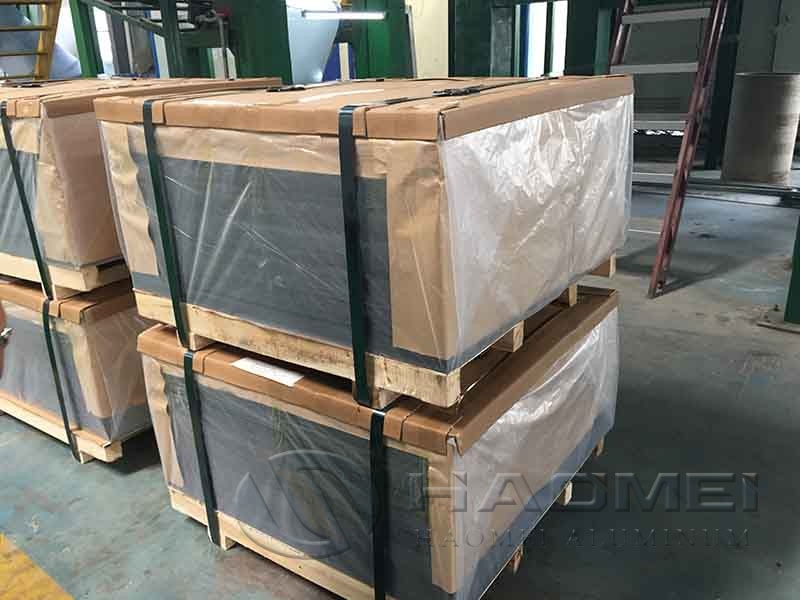
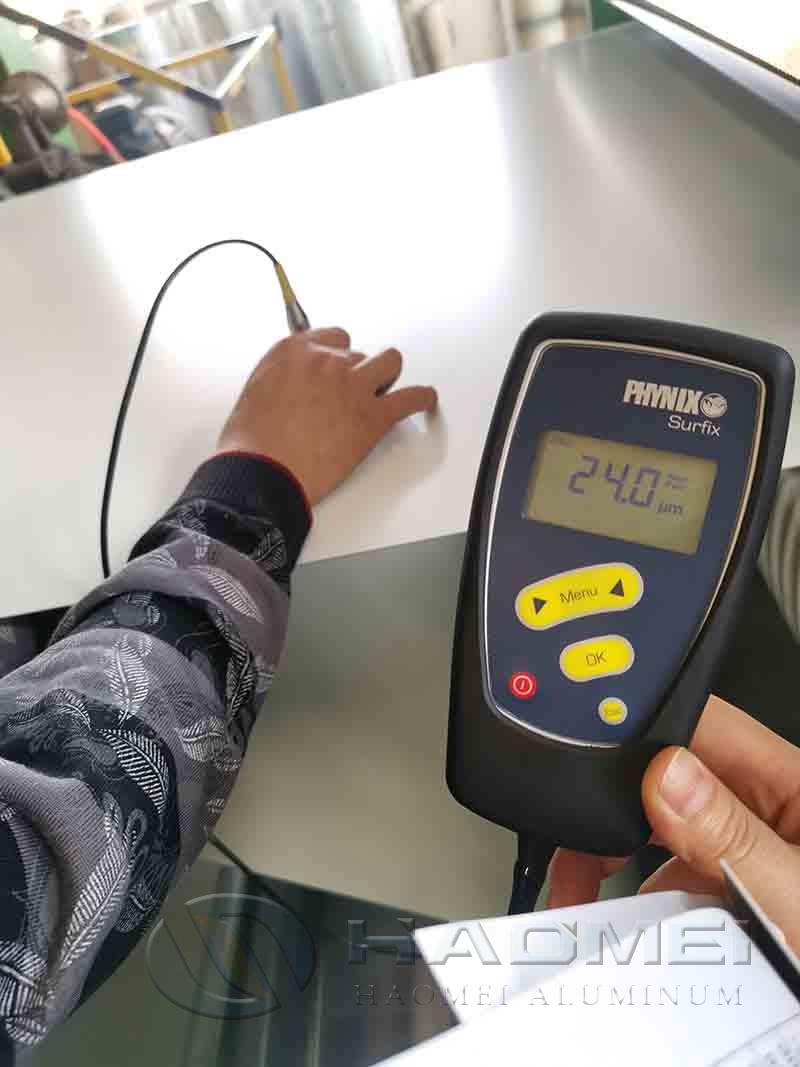
Ask the supplier for the finish construction, not only the colour name. A useful specification should state the alloy, temper, pre-treatment, anodic film thickness where applicable, colour process, gloss level, and protective film requirement.
| Finish type | Surface structure | Typical appearance | Practical consideration |
|---|---|---|---|
| Clear anodised aluminium | Oxide layer grown from aluminium | Silver-metallic | Strong natural metal appearance |
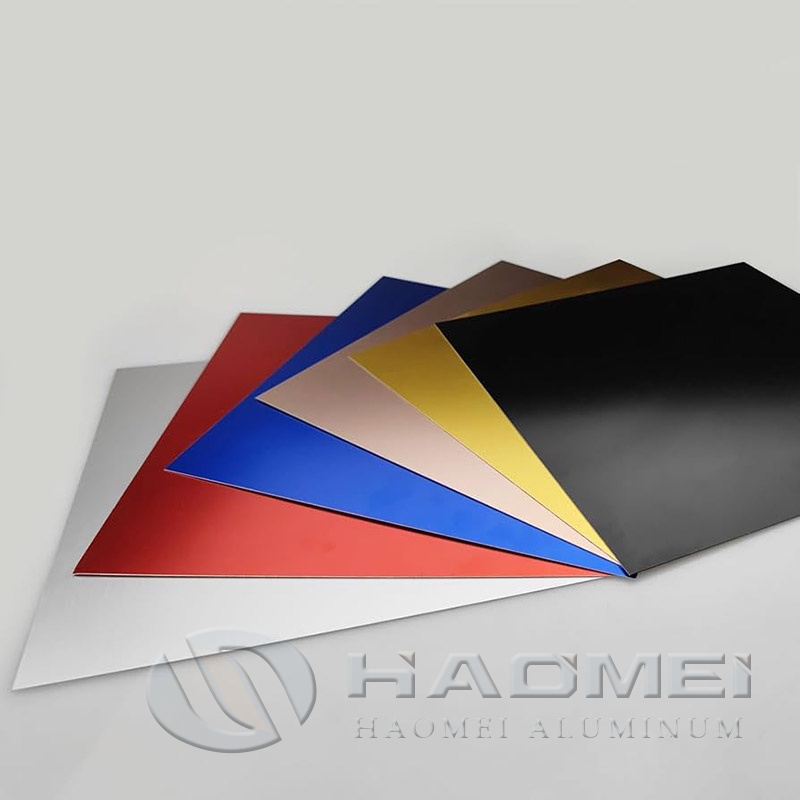
| Coloured anodised aluminium | Dyed or electrolytically coloured oxide | Metallic colour tones | Colour consistency should be sampled |
| White powder-coated aluminium | Polymer coating over prepared metal | Opaque white | Broad white colour range and good coverage |
| White coil-coated aluminium | Factory-applied paint system | Uniform white finish | Efficient for continuous fabrication processes |
Outdoor colour stability depends more on the finish system and installation environment than on the word "white." UV exposure, coastal salt, industrial pollution, water runoff, and cleaning chemicals all affect long-term appearance.
A high-quality exterior-grade white coating normally offers better opacity than dyed anodising. For facade elements, signage, or external cladding, request evidence of weathering performance and confirm whether the finish is intended for indoor, sheltered outdoor, or fully exposed exterior use.
White surfaces also reveal dirt and runoff staining sooner than darker materials. That does not always indicate coating failure. In many cases, grey streaks come from airborne contamination, sealant residues, drainage paths, or contact with dissimilar metals. Good design should prevent standing water and avoid unprotected steel fasteners that may cause rust staining.
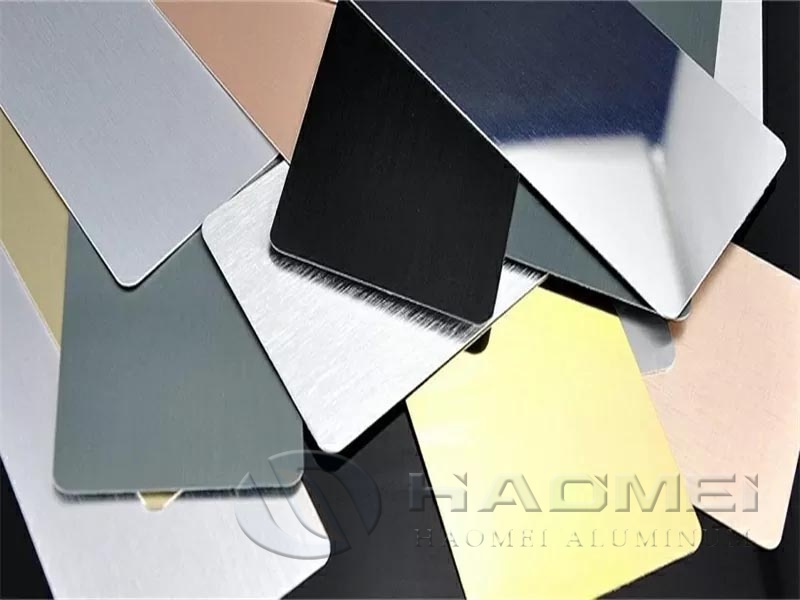
Yes, but fabrication should be planned around the selected finish. Aluminium can be cut, bent, punched, embossed, and formed efficiently, yet the outer surface is more vulnerable at tight bend radii, sharp tooling edges, and high-contact handling points.
For bending, the recommended minimum inside radius depends on thickness, alloy, temper, and coating system. Harder tempers generally provide better flatness but may be less forgiving during severe forming. A sample bend test is sensible when the part includes narrow returns, deep channels, or small radii.
Laser cutting can leave a heat-affected edge, especially on painted white material. If the cut edge will remain visible, discuss whether edge darkening, minor burrs, or exposed aluminium are acceptable. Protective film should remain in place through cutting and forming where possible, then be removed promptly after fabrication to reduce adhesive-transfer risk.
| Fabrication operation | Main risk | Recommended control |
|---|---|---|
| Bending | Crazing or marking at the bend | Test the actual radius and tooling |
| Punching | Edge burrs and surface scratches | Use clean, sharp dies and support film |
| Laser cutting | Heat tint at exposed edges | Trial-cut visible parts before volume production |
| Brushing or polishing | Uneven white appearance | Avoid after finishing unless specified |
Routine cleaning is usually simple. Start with clean water, a soft microfiber cloth, and a mild pH-neutral detergent. Rinse thoroughly afterward, particularly in coastal or polluted areas where residues can accumulate.
Avoid abrasive pads, aggressive alkaline cleaners, strong acids, chlorine-based products, and solvent blends unless the finish manufacturer confirms compatibility. These products can dull gloss, stain the surface, weaken protective layers, or alter the appearance of adjacent sealants.
For adhesive marks from temporary films, test a small hidden area first. Use a soft cloth and a finish-approved cleaner rather than scraping with blades or metal tools. Cleaning frequency should increase on horizontal surfaces, near traffic routes, and in areas where rain does not naturally rinse contaminants away.
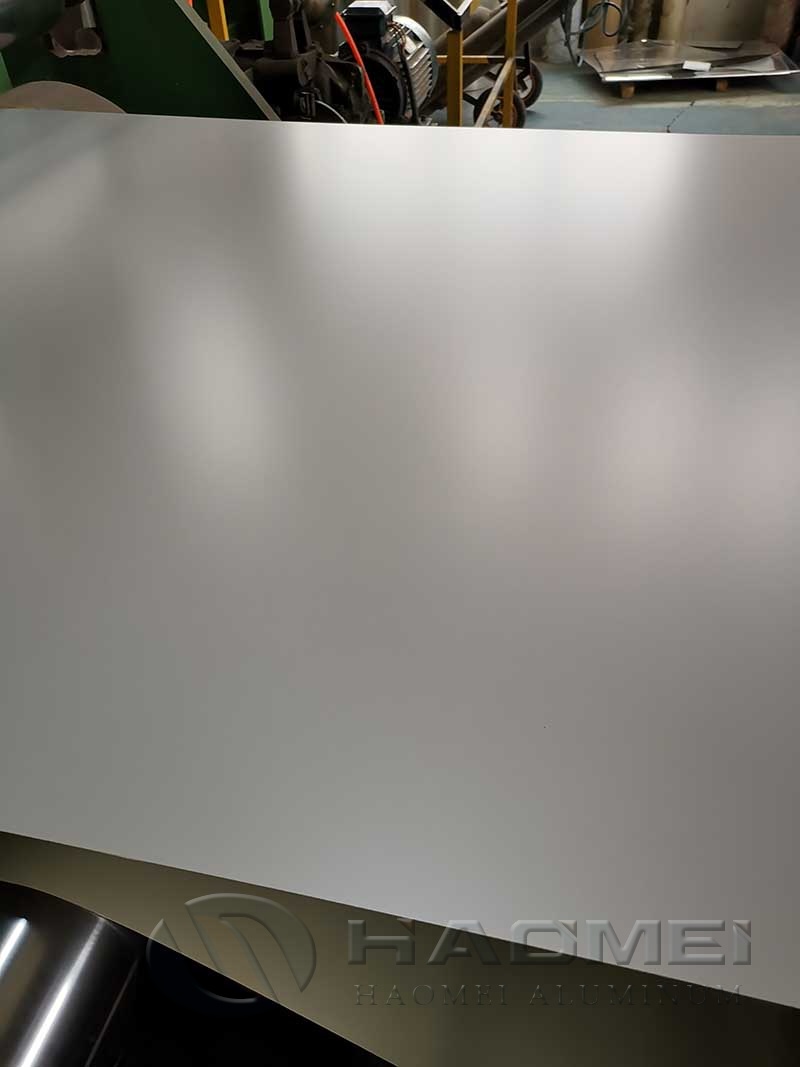
A colour name alone is rarely enough for repeatable production. White can vary from warm cream-white to cool blue-white, and gloss can range from matt to highly reflective. Request a physical approved sample under the lighting conditions where the finished part will be used.
State the required material form, thickness tolerance, width or blank dimensions, alloy, temper, finish description, gloss target, protective film, and intended application. If visual matching matters, identify whether both sides need the same appearance and whether batch-to-batch variation limits are required.
For architectural work, also clarify exposed edges, bend locations, fastening method, outdoor exposure, and expected cleaning regime. These details help determine whether a true anodic treatment, a coil-coated white surface, or powder-coated fabrication is the most appropriate option.
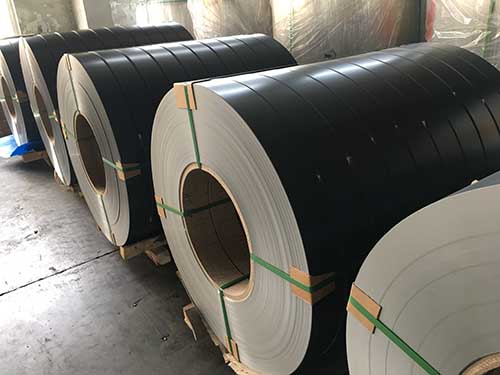
A pre-production sample is particularly valuable when white components will be installed beside painted steel, plastics, glass, or existing aluminium. Materials that appear identical under warehouse lighting may look noticeably different in daylight, warm interior lighting, or overcast exterior conditions.
 Products
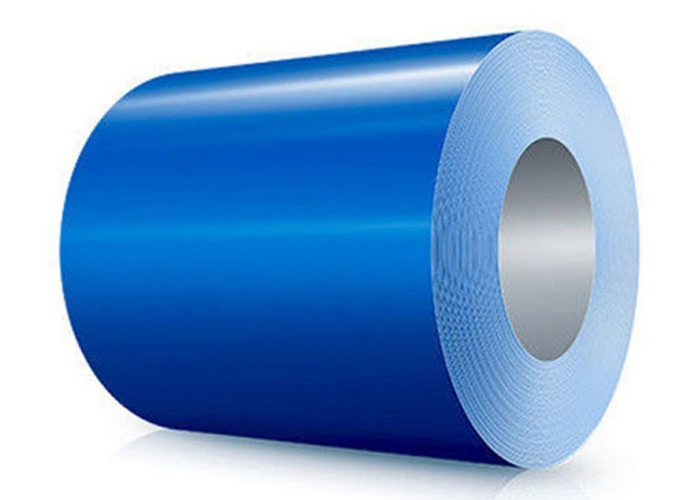
HDPE aluminum coil with stable coating quality, easy processing, and reliable weather resistance, ideal for interior and general outdoor applications at a lower cost. Get price now!
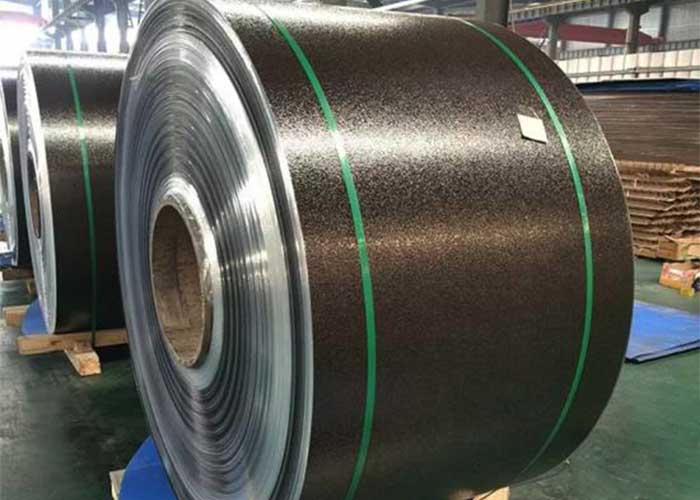
Embossed aluminum coil in stucco/diamond patterns. Alloy 1050/1060/3003/5052, thickness 0.2–3.0mm, PVDF/PE coating optional. Fast quote & delivery.
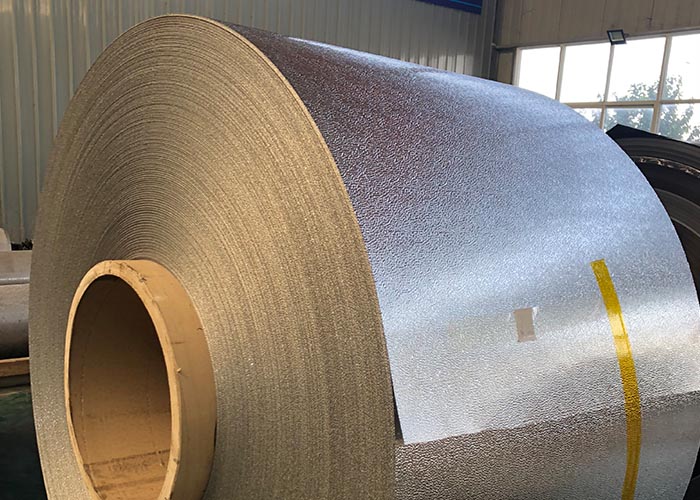
Premium color coated aluminum coil with wide selection of alloys and custom colors, excellent corrosion resistance and formability, widely used in construction, decoration and manufacturing.

Anodized/coated Mirror Aluminum Coil with high reflectivity, scratch resistance and weatherproof performance. Ideal for architecture, home appliances, elevators and interior decoration. Factory direct supply, competitive price.
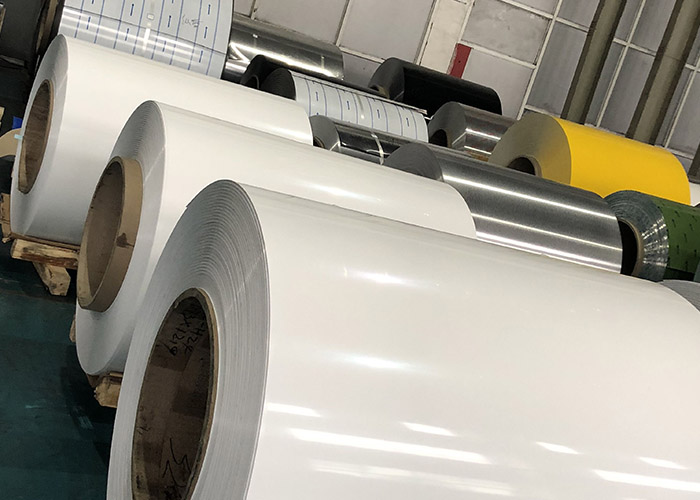
Our PE coated aluminum coil features excellent bending performance, wide color & alloy options, long service life and durable finish. Custom sizes & colors available to meet your project demands. Get Quote now!
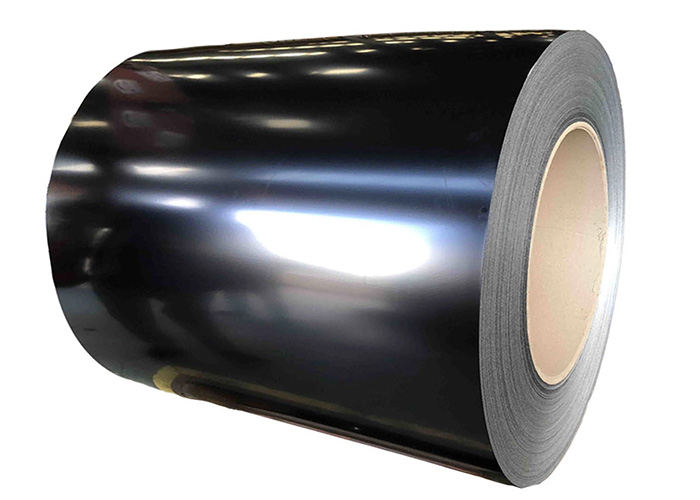
Premium FEVE coated aluminum coil with excellent formability & color stability. Perfect for curtain walls, aluminum composite panels, outdoor decoration & high-end building projects worldwide. Inquire now!
Application
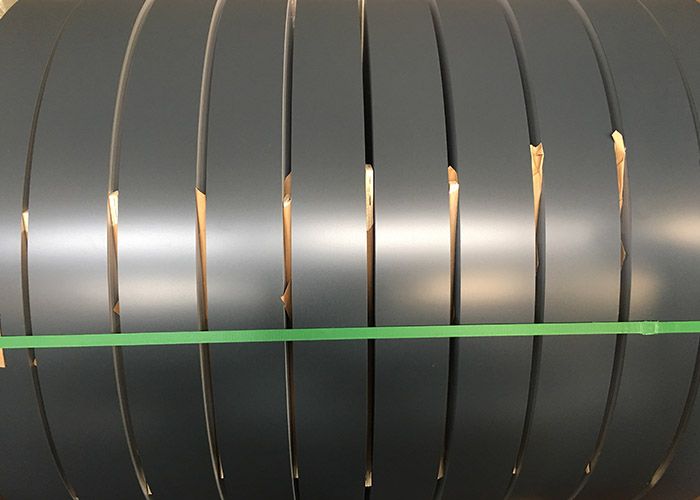
Color Coated Aluminum Coil Manufacturer for Ceiling | PE/PVDF coated, waterproof, anti-UV, long service life. Lightweight, easy fabrication, ideal for ceiling tiles, linear ceilings & decorative panels. Inquire now!
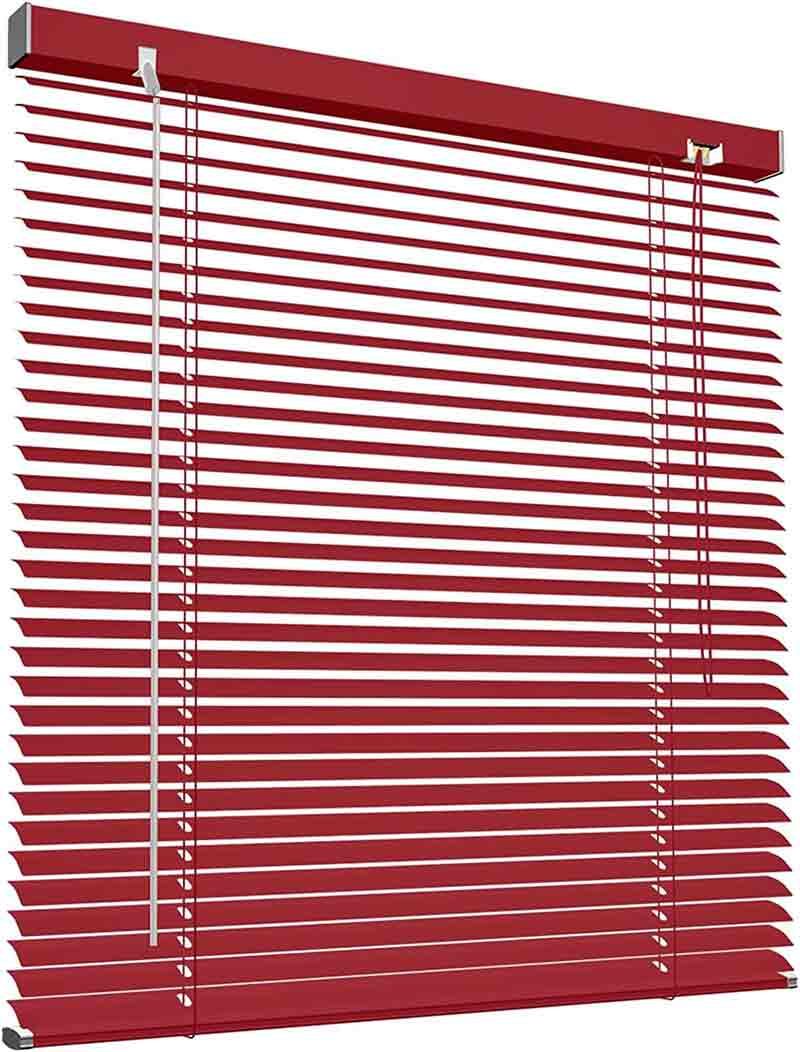
Today, Venetian blinds have long transcended their simple function of blocking light, becoming an important element in both home and commercial decoration, combining aesthetics and functionality. The widespread application of prepainted aluminum coils has
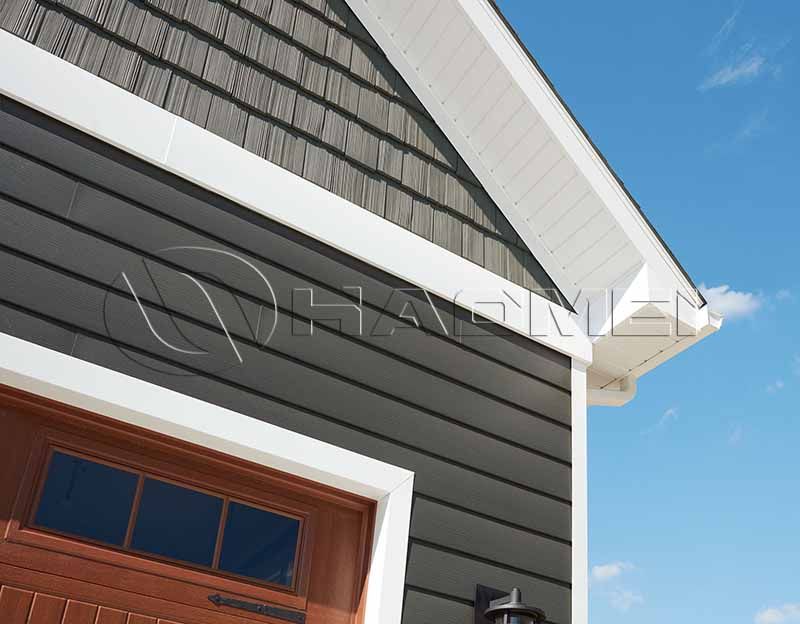
Learn what aluminum trim coil is, common alloys 1100/3003/3105/5052, popular sizes like 24×50, colors, applications, coating types, packaging, shipping and order terms for building exterior & interior trim.
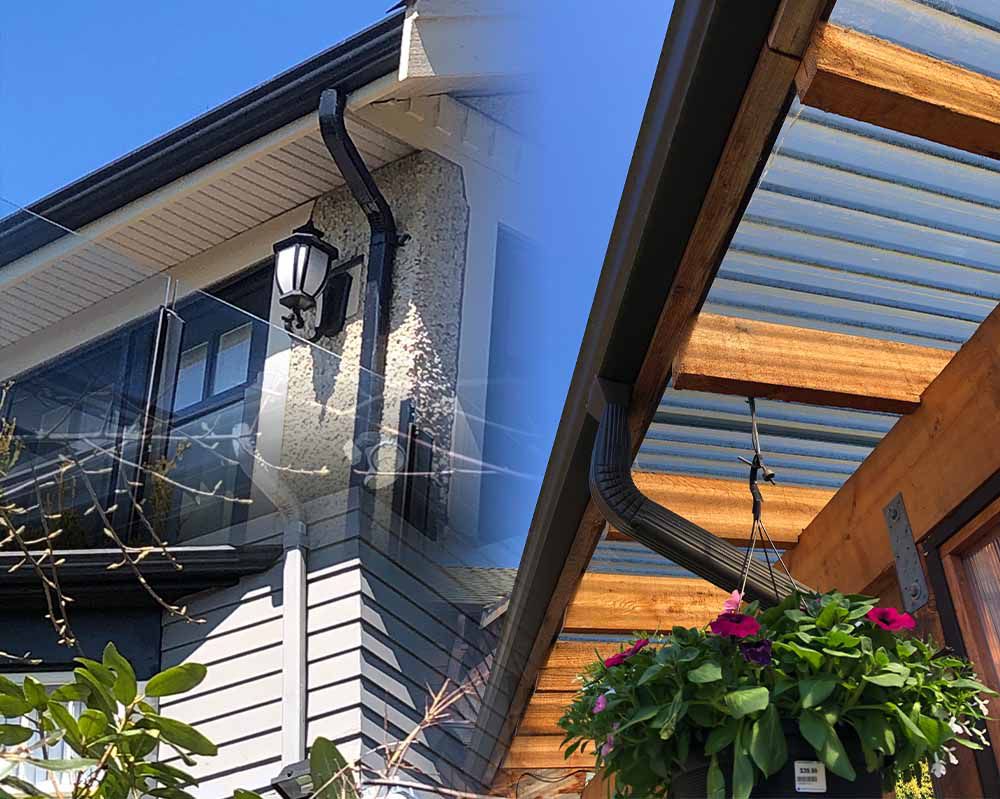
Aluminum gutter coil roll available in popular colors and various sizes, featuring durability, corrosion resistance and easy installation for rain gutter systems. Inquire now!
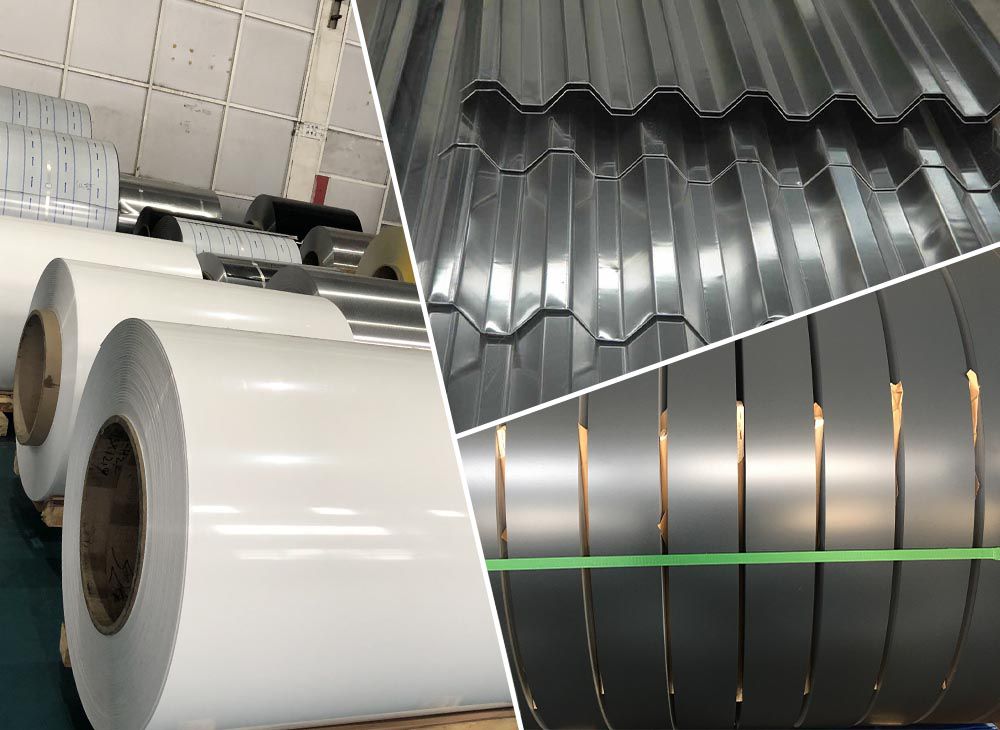
Aluminum roofing coilHaomei Aluminum's coated aluminum coil for roofing is well known for lightweight, high strength, weather resistance, and corrosion resistance, with a service life of 15-30 years. It also has excellent processability and can be ada
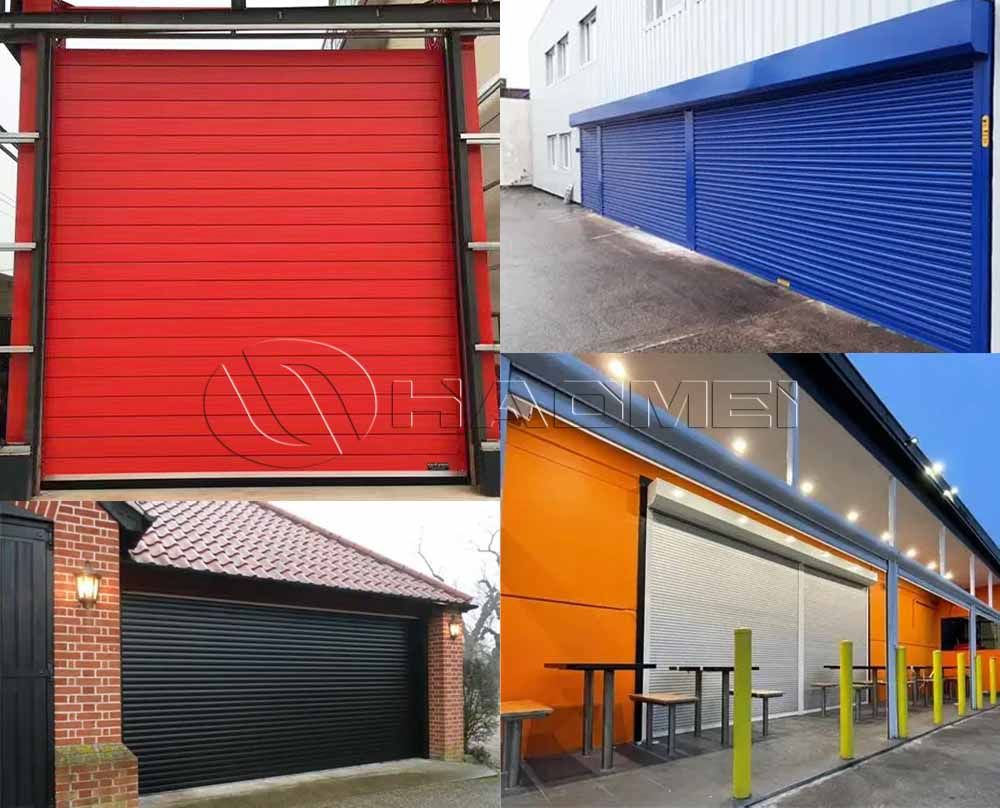
Color aluminum coils: lightweight, corrosion-resistant, durable & color-rich, ideal for roller shutters in shops, garages, factories. Various specs, alloy options, custom colors & professional packaging for all scenarios. Learn more.
Blog
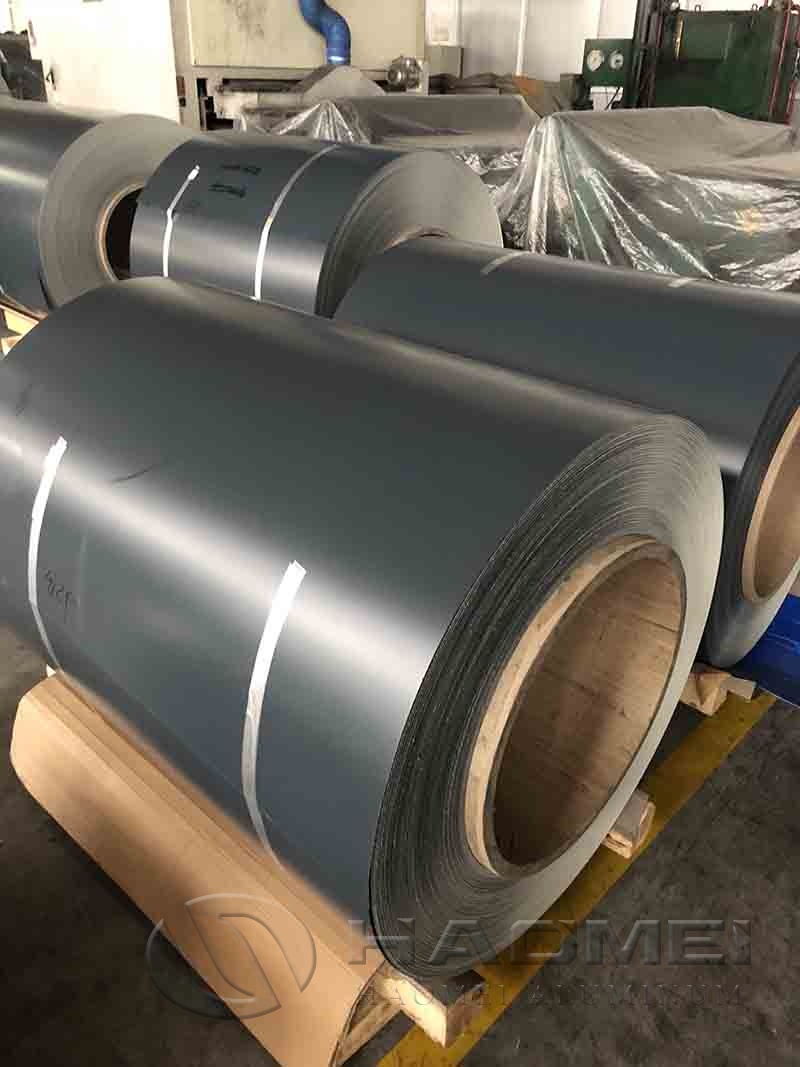
Specify 24 x 50 aluminum trim coil correctly with alloy, gauge, coating tests, dimensional checks, and ordering controls for durable exterior trim.
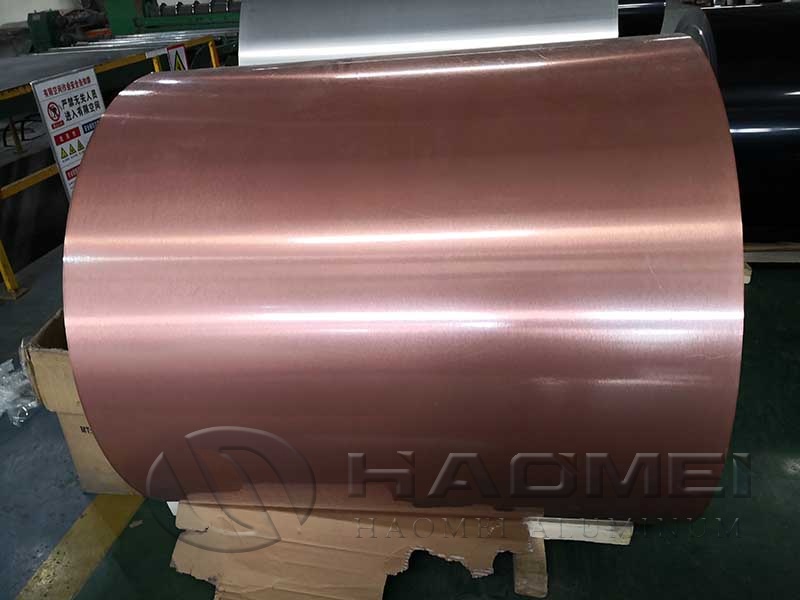
Select aluminium gutter coil by alloy, temper, gauge, coating, tests, and packaging. Practical specs for durable rainwater systems.
Specify painted aluminum sheets with the right alloy, coating system, film thickness, tests, and packaging to reduce color fade, corrosion, and transit damage.
Matt stone grey aluminium: specify alloy, coating, gloss and ΔE tolerance; control batch variation, compliance, lead time and delivered cost.
Color coated aluminum coil questions answered: coatings, alloy, thickness, durability, and ordering details for roofing, facades, trim, signage, and fabrication.
Plan Halloween and year-end display production with colored aluminum sheet metal, coating checks, color controls, packaging, and release dates.
FACTORY TOUR Haomei Aluminum is committed to technological innovation and equipment upgrading, equipping our production base with advanced intelligent production lines, including continuous coating lines, precision slitting machines and embossing equipment.
With near 30 years of 20 years of professional metal coating experience, we can provide you PE/PVDF/HDPE/FEVE coated aluminum coils with rich alloys and colors. We are also one of the few coating applicators that can replicates natural materials such as stones,marble,wood,on the surface of metal with paint.

Haomei Aluminum’s fully automatic high-speed color coating production lines, adopting advanced two-coat two-bake precision roller coating technology. The whole line is controlled by an intelligent automation system, ensuring uniform coating, stable speed and high efficiency. With precise control over coating thickness and closed-loop temperature control, our products feature excellent weather resistance, corrosion resistance, color stability, scratch resistance and long service life.