Qoute Now
Find out more about how we can support your goals by filling out the form or emailing us at

In the coil coated aluminium processing industry, coating color consistency is one of the core indicators for measuring product quality. Whether it's building curtain walls, interior ceilings, appliance casings, or industrial plant decoration, color differences not only severely affect the aesthetics but can also lead to project rework, customer complaints, directly increasing production costs and damaging brand reputation.
Controlling the color consistency of aluminum coil coatings is not a single-stage process but a systematic engineering project spanning the entire process of "substrate selection—coating control—process optimization—inspection and acceptance—warehousing and transportation." Negligence in any stage can lead to color deviations.
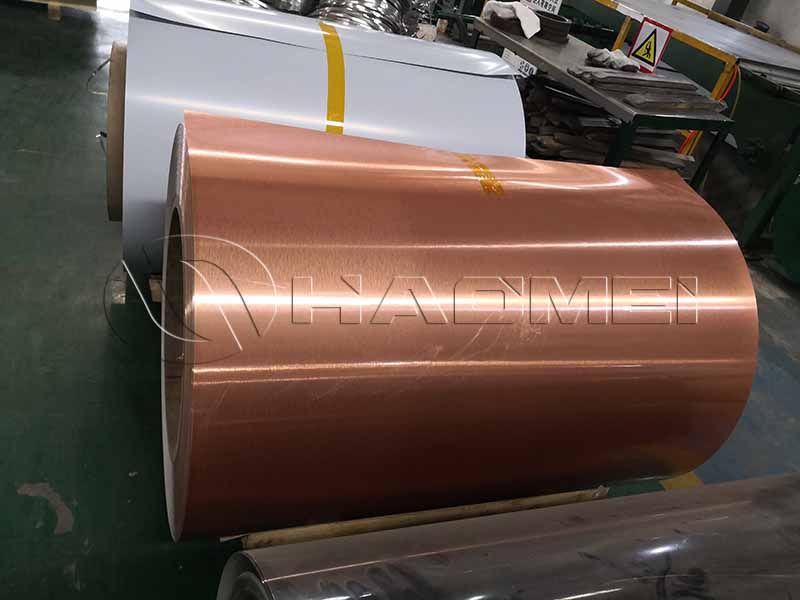
Many people easily overlook the impact of the substrate on the coating color. In fact, the surface condition and compositional uniformity of the aluminum coil substrate directly determine the coating's adhesion and color presentation. If the substrate has defects, even the most refined subsequent processes cannot guarantee color uniformity.
Prioritize aluminum coils rolled from high-purity aluminum ingots such as 1050, 3003, and 5052, and refuse to use recycled aluminum substrates. Meanwhile, strict control of substrate thickness tolerance is crucial, ideally within ±0.02mm. Multiple finishing processes are necessary to ensure the surface is free of oil, oxide layers, and scratches, laying the foundation for uniform coating adhesion.
Oil and oxide films on the aluminum coil surface affect coating adhesion and color absorption. The pretreatment process must be standardized and strictly controlled. A standardized three-step treatment of "degreasing—water washing—chemical conversion" is recommended to ensure consistent substrate surface cleanliness. Simultaneously, the thickness and uniformity of the chemical conversion film should be controlled to avoid color variations due to excessively thick or uneven film.
Coating is the core carrier of color presentation. The quality of the coating, the stability of the formula, and the mixing accuracy are key factors determining color consistency. Many color difference problems stem from improper coating selection or non-standard mixing.
Prioritize reputable and consistently high-quality paint brands, clearly specifying the resin type (PE polyester, PVDF fluorocarbon, etc.) and pigment ratio. Ensure all paints used in the same project come from the same manufacturer and batch. Slight differences in pigment content and viscosity between different batches can easily lead to color variations when mixed.
Also, select appropriate paints based on the application scenario: PVDF fluorocarbon paints are preferred for outdoor applications due to their strong weather resistance and high color stability; PE polyester paints can be used for indoor applications, balancing color saturation and cost-effectiveness.
During storage and transportation, pigments are prone to sedimentation. Thorough stirring is essential before mixing to prevent uneven pigment distribution and inconsistent coating color. Strictly adhere to the formula ratio and control the amount of thinner used.
Furthermore, when changing paint colors, thoroughly clean the mixing and coating equipment to prevent residual paint from contaminating the new paint. This is especially important for colors with high contrast; incomplete cleaning can directly cause color variations.
Coating and curing are the core processes for forming stable coatings. Fluctuations in process parameters are one of the main reasons for color deviations in aluminum coils from the same roll or batch. Only by precisely controlling process parameters can uniform coating thickness and consistent color be ensured.
Prioritize the use of a "two-coat, two-bake" roller coating process. This process achieves molecular-level bonding between the coating and the substrate while ensuring uniform coating thickness. Strictly control coating speed, coating roller gap, and pressure: Excessive coating speed leads to uneven coating, while excessively slow speed affects efficiency and may cause coating buildup. Coating roller gap and pressure must be kept consistent to avoid uneven thickness—a difference in coating thickness exceeding 3μm will result in significant color variations. It is recommended to control the coating thickness tolerance within ±1μm, with PVDF coating thickness not less than 25μm and PE coating thickness not less than 18μm.
The stability of curing temperature, time, and air velocity directly affects the film quality and color presentation of the coating. It is recommended to use a curing oven with zoned temperature control to precisely control the hot air temperature gradient and avoid inconsistent texture growth due to localized temperature differences, which in turn affects color uniformity.
Simultaneously, strictly control the curing temperature and time. The curing time needs to be adjusted according to the coating type to ensure full cross-linking and curing of the coating, while maintaining complete consistency in curing parameters for products within the same batch. Furthermore, during production, maintain appropriate overflow of cooling water on the printing plate to promptly remove condensed volatiles and prevent color differences.
After effective pre-production control, inspection and acceptance are the last line of defense against products with color differences entering the market. Improper handling during warehousing and transportation can also damage the coating color, affecting consistency.
During production, use an online spectrophotometer to monitor color in real time. A computer-based precise color matching system controls the color difference ΔE to ≤1.0, ensuring uniform color across the entire roll and within the same batch.
Before leaving the factory, each pre painted aluminium coil must pass six inspection checkpoints: substrate composition testing, coating thickness measurement, adhesion testing, color difference analysis, solvent resistance wiping test, and weather resistance sampling inspection. Products that fail to meet the standards are strictly prohibited from leaving the factory. During testing, it is crucial to ensure that all tests are conducted under standard light sources to avoid misjudgments due to lighting differences. Thorough testing records must be kept for subsequent traceability and problem investigation.
After the aluminum coil coating is formed, it must be properly stored: avoid direct sunlight and humid environments to prevent coating aging and fading; aluminum coils of different batches and colors should be stored separately and clearly labeled to avoid confusion. During transportation, protective measures must be taken to prevent scratches and collisions on the aluminum coil surface, and to prevent oil and dust contamination of the coating, ensuring that the color remains consistent with the factory color when the product reaches the customer.
Besides the key aspects mentioned above, some minor misconceptions are easily overlooked, leading to color consistency issues: Firstly, neglecting environmental factors. Excessive fluctuations in temperature and humidity in the coating workshop can affect the leveling and curing effects of the coating. It is recommended to control the workshop temperature at 20-25℃ and the humidity at 50%-60% to maintain a stable environment.
Secondly, inadequate equipment maintenance. Wear and tear or malfunctions in equipment such as coating rollers and curing ovens can lead to unstable process parameters. Regular equipment inspections are necessary to ensure normal operation.
Thirdly, insufficient pigment temperature resistance. Using pigments whose temperature resistance does not meet the curing temperature requirements can cause discoloration during curing. Appropriate temperature-resistant pigments should be selected based on the curing temperature.
 Products
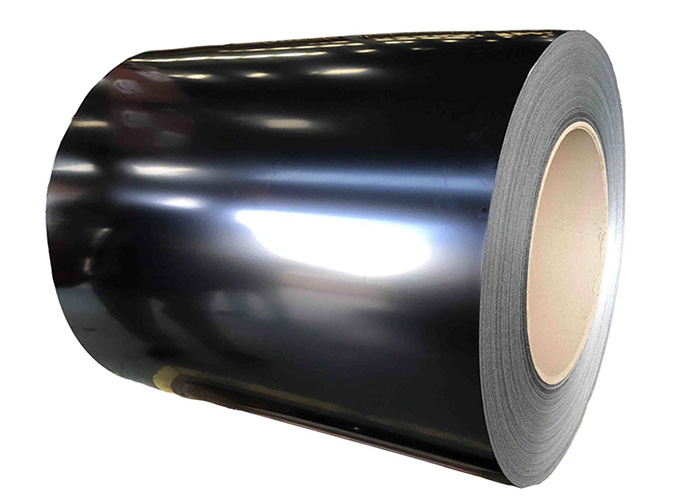
Premium FEVE coated aluminum coil with excellent formability & color stability. Perfect for curtain walls, aluminum composite panels, outdoor decoration & high-end building projects worldwide. Inquire now!
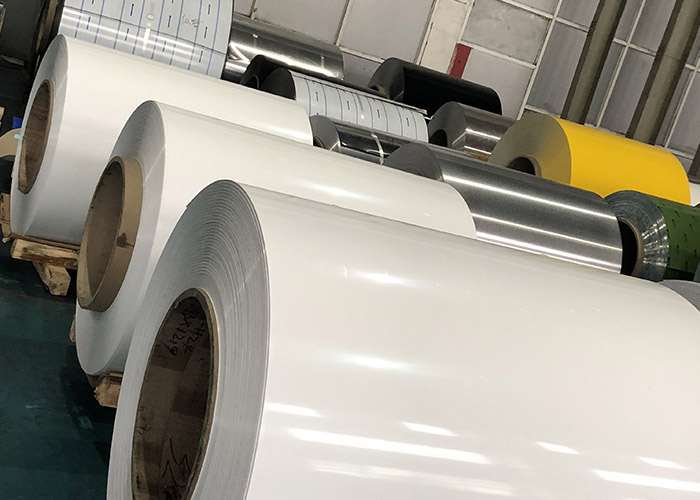
Our PE coated aluminum coil features excellent bending performance, wide color & alloy options, long service life and durable finish. Custom sizes & colors available to meet your project demands. Get Quote now!
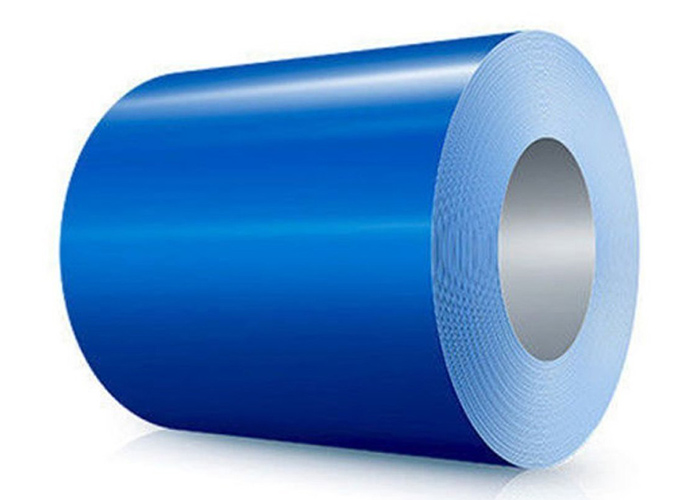
HDPE aluminum coil with stable coating quality, easy processing, and reliable weather resistance, ideal for interior and general outdoor applications at a lower cost. Get price now!
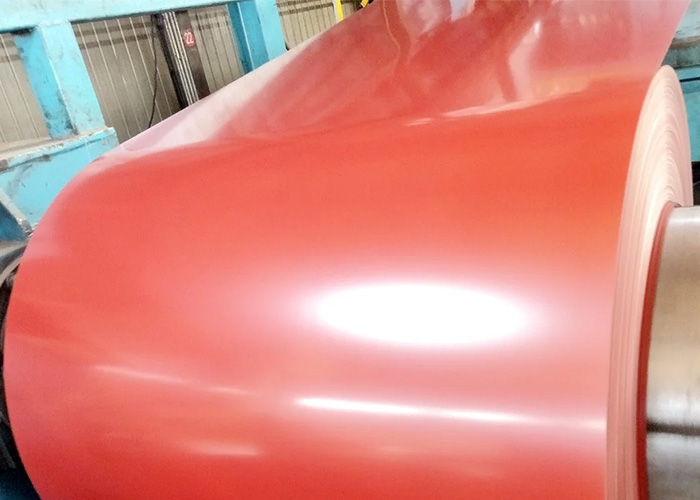
Our PVDF aluminum coil has excellent weather resistance,long service life up to 20+ years outdoors,anti-fading, stable performance in harsh environments, ideal for exterior building cladding and outdoor applications. Inquire now!
Application
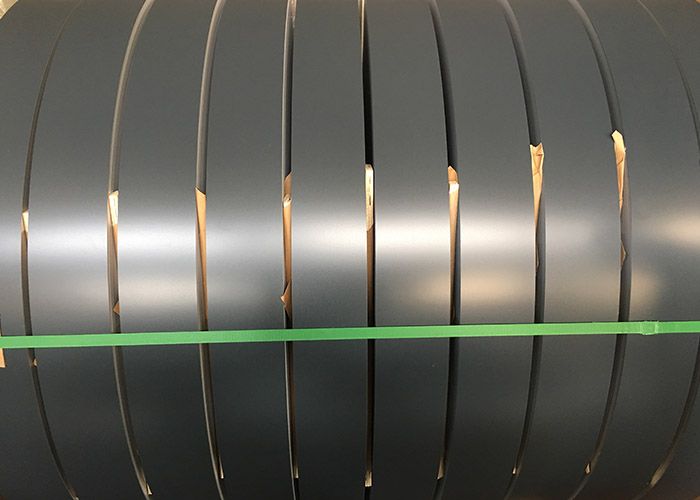
Color Coated Aluminum Coil Manufacturer for Ceiling | PE/PVDF coated, waterproof, anti-UV, long service life. Lightweight, easy fabrication, ideal for ceiling tiles, linear ceilings & decorative panels. Inquire now!
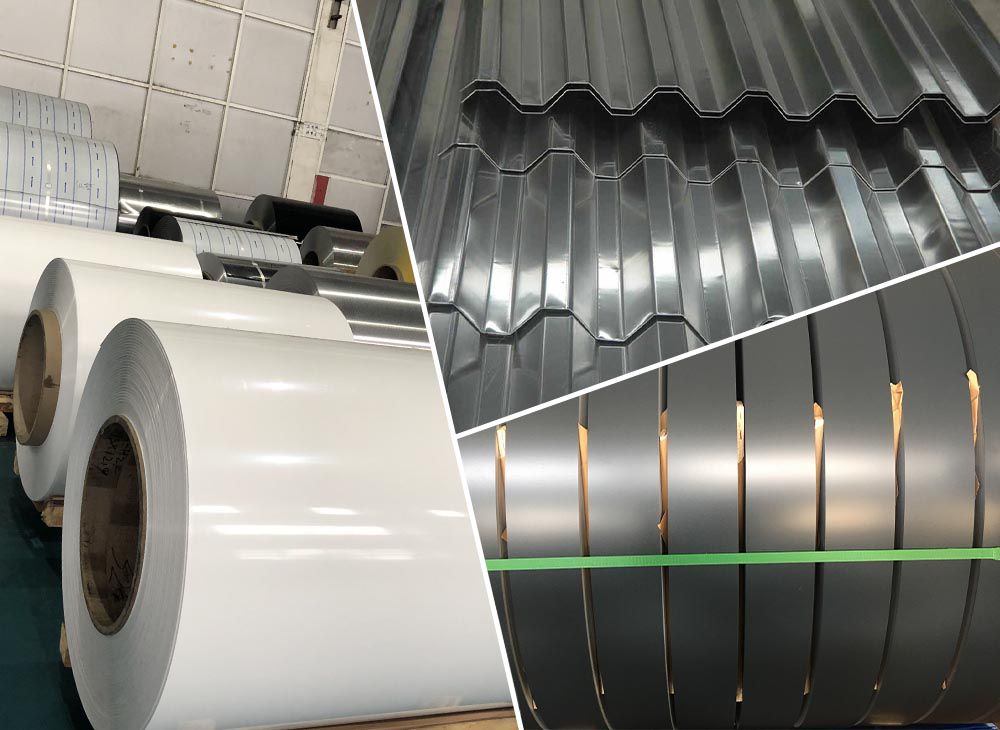
Aluminum roofing coilHaomei Aluminum's coated aluminum coil for roofing is well known for lightweight, high strength, weather resistance, and corrosion resistance, with a service life of 15-30 years. It also has excellent processability and can be ada
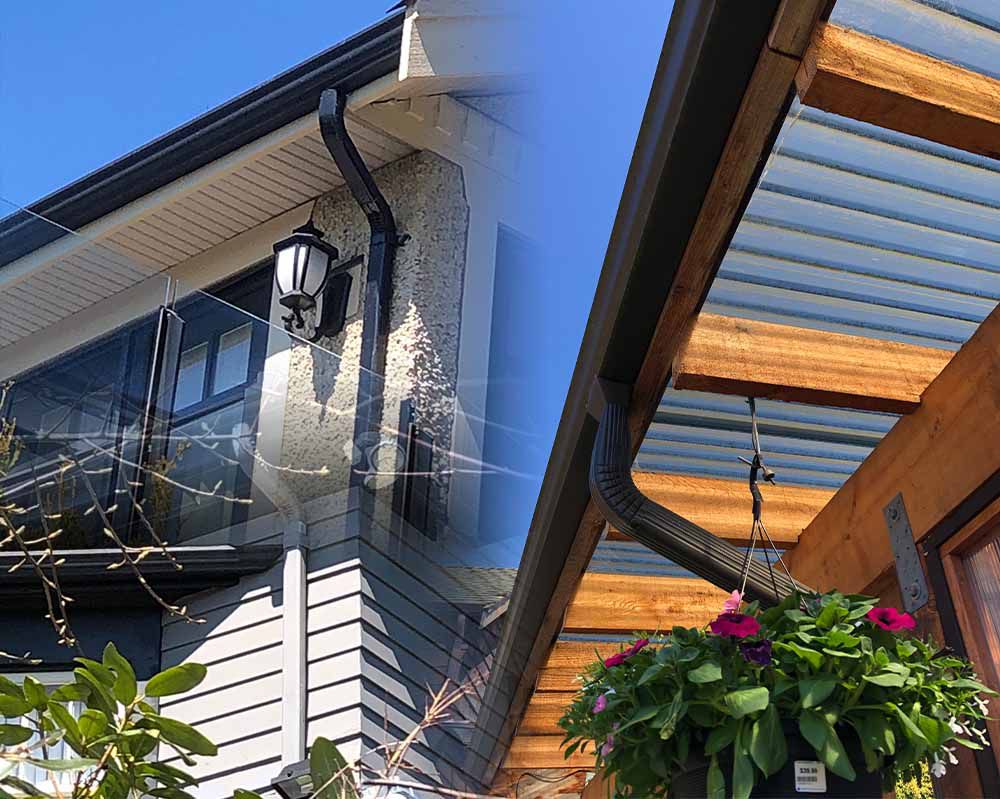
Aluminum gutter coil roll available in popular colors and various sizes, featuring durability, corrosion resistance and easy installation for rain gutter systems. Inquire now!
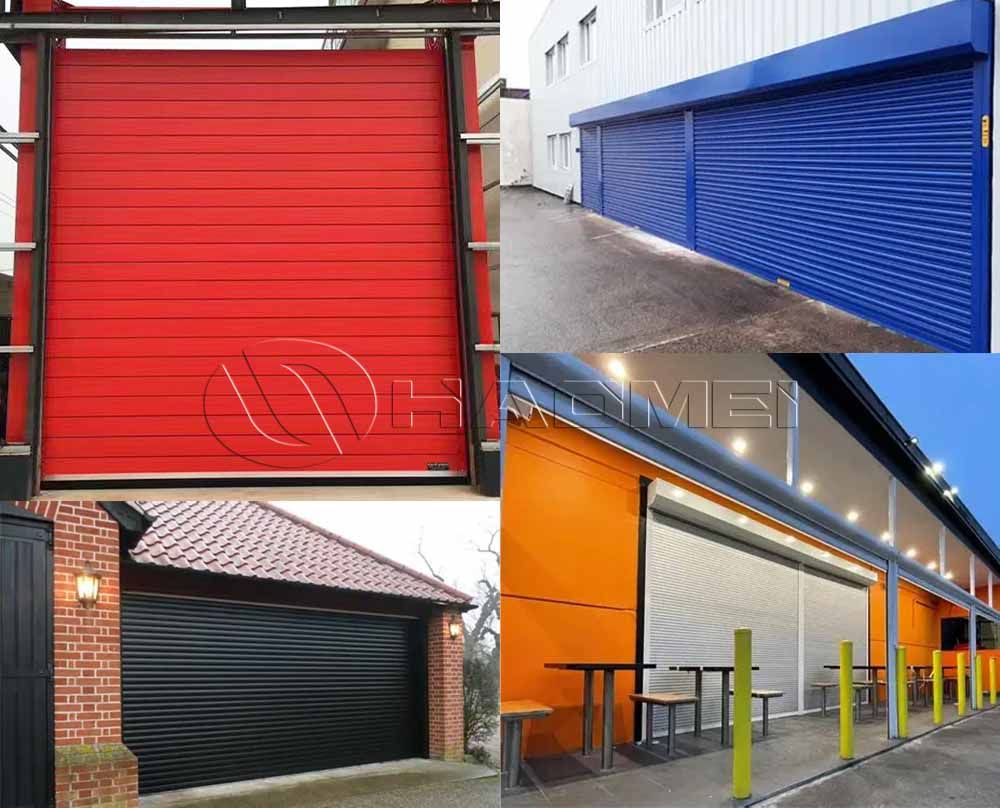
Color aluminum coils: lightweight, corrosion-resistant, durable & color-rich, ideal for roller shutters in shops, garages, factories. Various specs, alloy options, custom colors & professional packaging for all scenarios. Learn more.
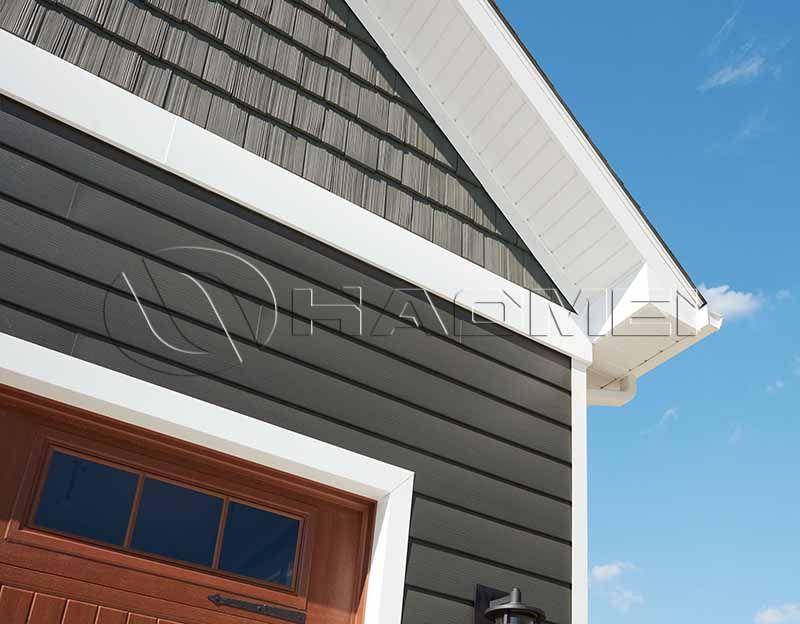
Learn what aluminum trim coil is, common alloys 1100/3003/3105/5052, popular sizes like 24×50, colors, applications, coating types, packaging, shipping and order terms for building exterior & interior trim.
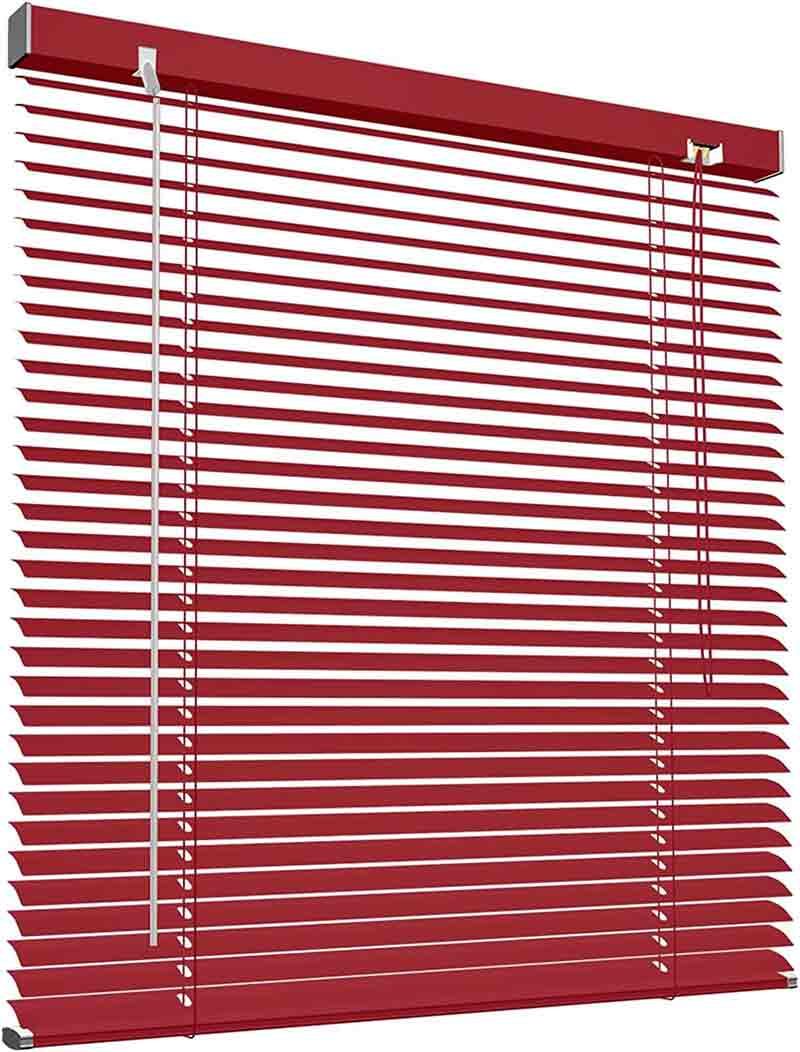
Today, Venetian blinds have long transcended their simple function of blocking light, becoming an important element in both home and commercial decoration, combining aesthetics and functionality. The widespread application of prepainted aluminum coils has
Blog
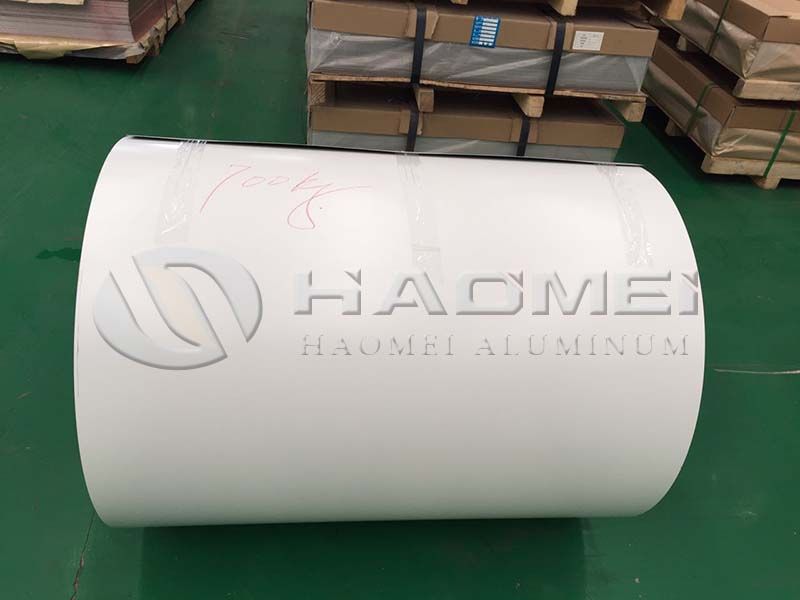
For B2B construction/decoration/industrial buyers: A complete guide to choosing a reliable color-coated aluminum sheet manufacturer. Check qualifications, product quality (1060/3003 alloy, PE/PVDF coating), customization, after-sales & pricing to avoid ri
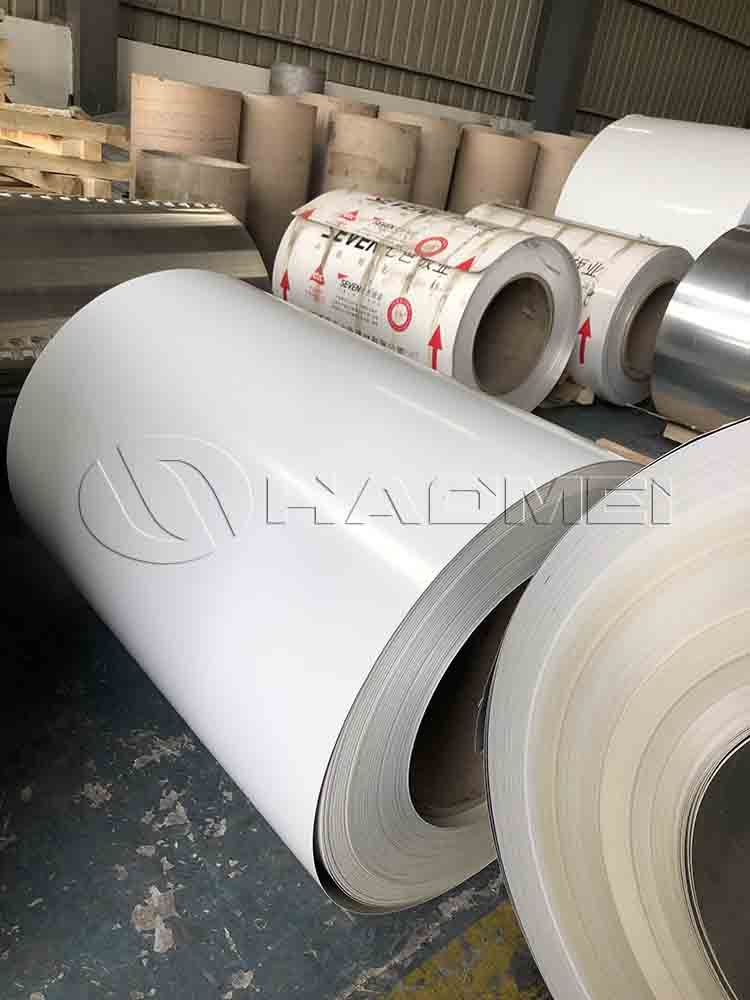
MS 2040 standard pre-coated aluminum coils are top choices for high-end architectural & industrial projects. Featuring 1000/3000/5754 alloys, they are perfect for indoor/semi-outdoor ceiling decoration in homes, malls & public buildings.

Hot questions on coated aluminum sheet answered clearly, including coating types, thickness, outdoor use, pricing, and quality checks.
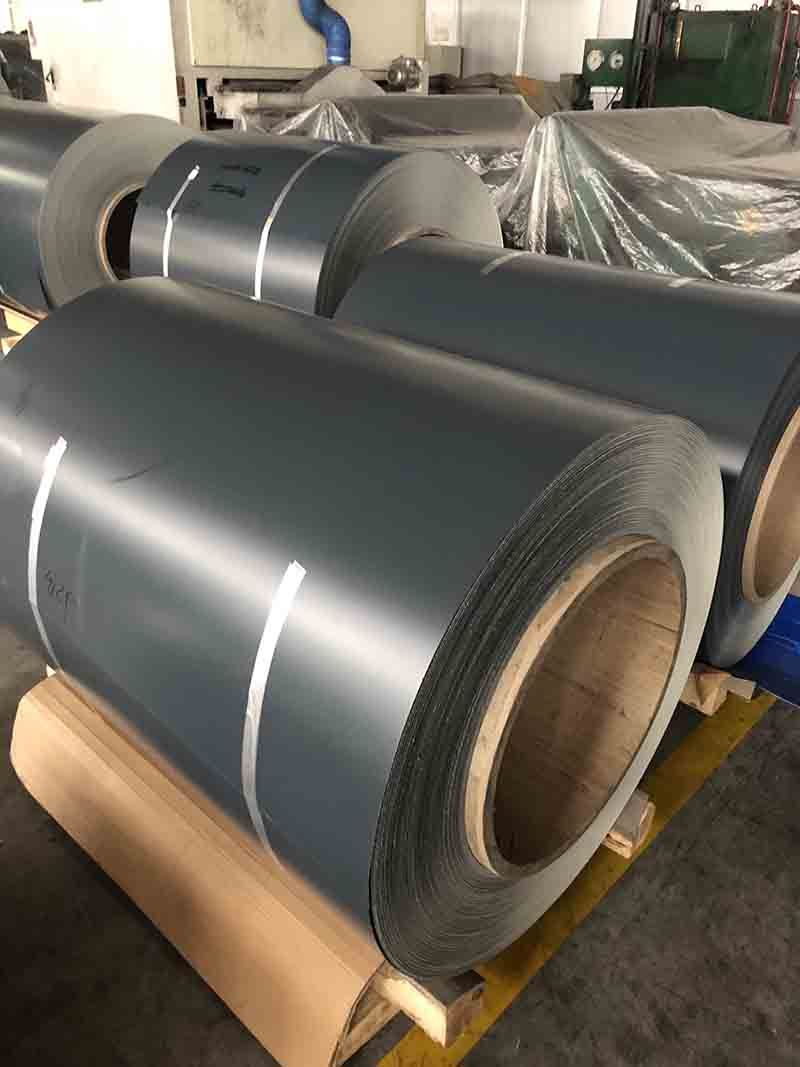
Learn about the systematic quality control tests for coated aluminum coil coatings, including appearance, core performance (adhesion, thickness, hardness), environmental adaptability and auxiliary tests to ensure durability, safety and compliance.
In the coil coated aluminium processing industry, coating color consistency is one of the core indicators for measuring product quality. Whether it's building curtain walls, interior ceilings, appliance casings, or industrial plant decoration, color d
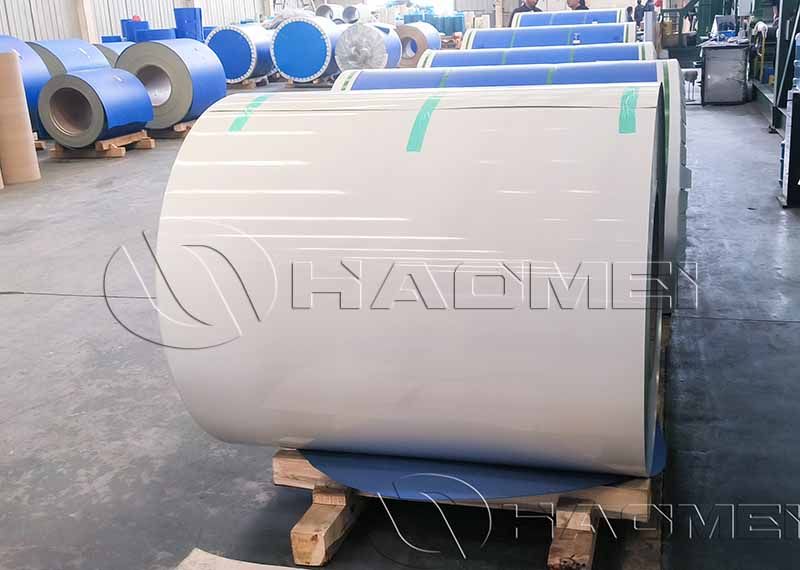
Explore industrial aluminum coils classified by alloy grade (1000, 3000, 5000 series) and usage, including premium roofing, gutter, and insulation aluminum coils. Learn their alloy features, core performance advantages, professional applications in constr
FACTORY TOUR Haomei Aluminum is committed to technological innovation and equipment upgrading, equipping our production base with advanced intelligent production lines, including continuous coating lines, precision slitting machines and embossing equipment.
With near 30 years of 20 years of professional metal coating experience, we can provide you PE/PVDF/HDPE/FEVE coated aluminum coils with rich alloys and colors. We are also one of the few coating applicators that can replicates natural materials such as stones,marble,wood,on the surface of metal with paint.

Haomei Aluminum’s fully automatic high-speed color coating production lines, adopting advanced two-coat two-bake precision roller coating technology. The whole line is controlled by an intelligent automation system, ensuring uniform coating, stable speed and high efficiency. With precise control over coating thickness and closed-loop temperature control, our products feature excellent weather resistance, corrosion resistance, color stability, scratch resistance and long service life.